
Politics
Icelandic Voters Decline EU Membership Talks
In a recent referendum, Icelanders have chosen not to resume negotiations for European Union membership, citing concerns over national control of fisheries and geopolitical stability.
Sep 1, 2026, 3:28 AM | 1-2 min read | By Wadi News Editorial Team
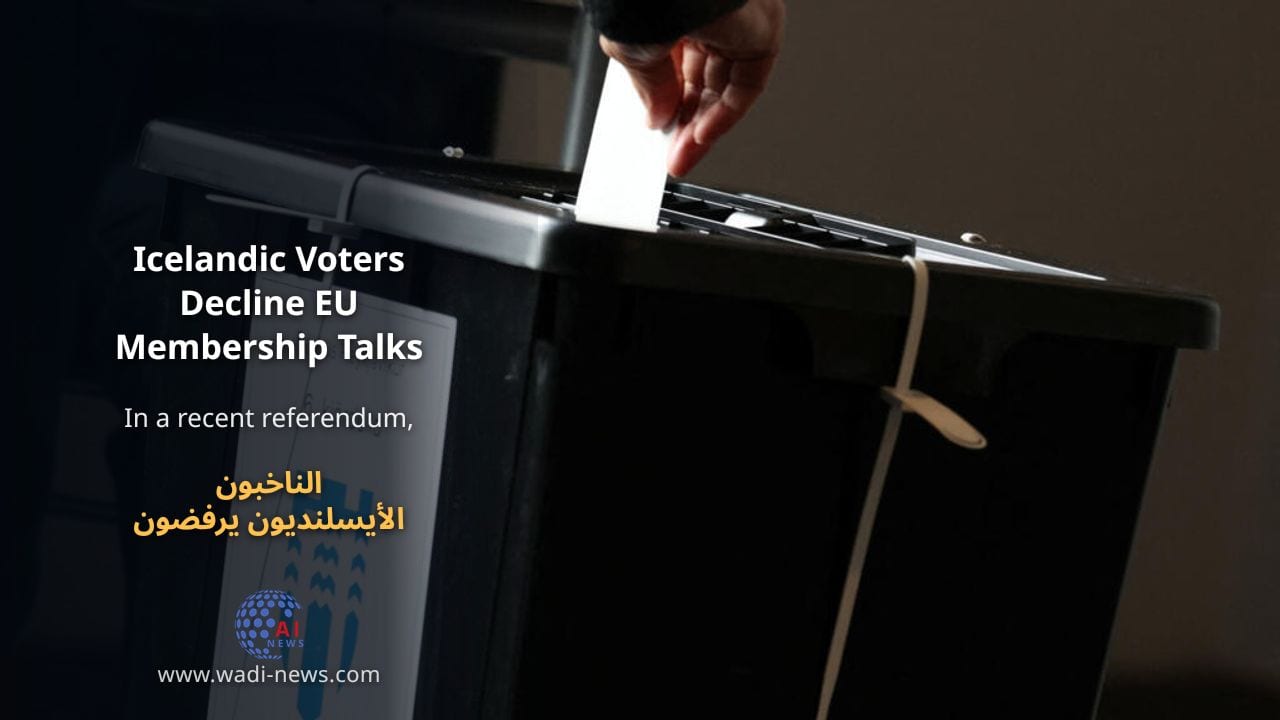
Iceland's recent referendum saw a decisive rejection from its voters regarding the resumption of negotiations to join the European Union. This pivotal decision reflects a deep-seated concern among the populace about maintaining control over the nation’s valuable fisheries, which are a cornerstone of the Icelandic economy. The backdrop of this referendum traces back to the 2008 financial crisis when initial discussions with the EU commenced. However, these talks were halted by a subsequent Eurosceptic government that prioritized national interests over EU integration.
The election results have sparked discussions about the underlying issues that influenced voters' decisions. Many Icelanders expressed a desire to safeguard their natural resources and economic independence, fearing that EU membership could lead to external regulations that might jeopardize their fishing industry. This sentiment was echoed by various political factions that campaigned on the platform of preserving Iceland’s sovereignty and protecting its marine resources.
Analysts suggest that the rejection of EU talks is indicative of a broader trend in Europe, where nations are increasingly wary of ceding control to supranational entities. The Icelandic case is significant as it demonstrates the delicate balance between geopolitical stability and national autonomy. Voters are not only considering economic implications but are also reflecting on their national identity and the preservation of their cultural heritage.
As Iceland moves forward, the implications of this referendum will likely shape its foreign relations and internal policies. The government will need to address the concerns raised by the electorate while navigating its relationship with the EU. The decision not to engage in EU talks may also influence discussions on trade agreements and collaborations with neighboring countries. Ultimately, this referendum serves as a reminder of the complexities involved in international negotiations and the importance of public sentiment in shaping national policy.