
Economy
Trade Tensions Escalate Between the US and Canada
The ongoing trade conflict between the US and Canada is impacting economies on both sides, with significant implications for various sectors.
Aug 31, 2026, 12:48 PM | 1-2 min read | By Wadi News Editorial Team
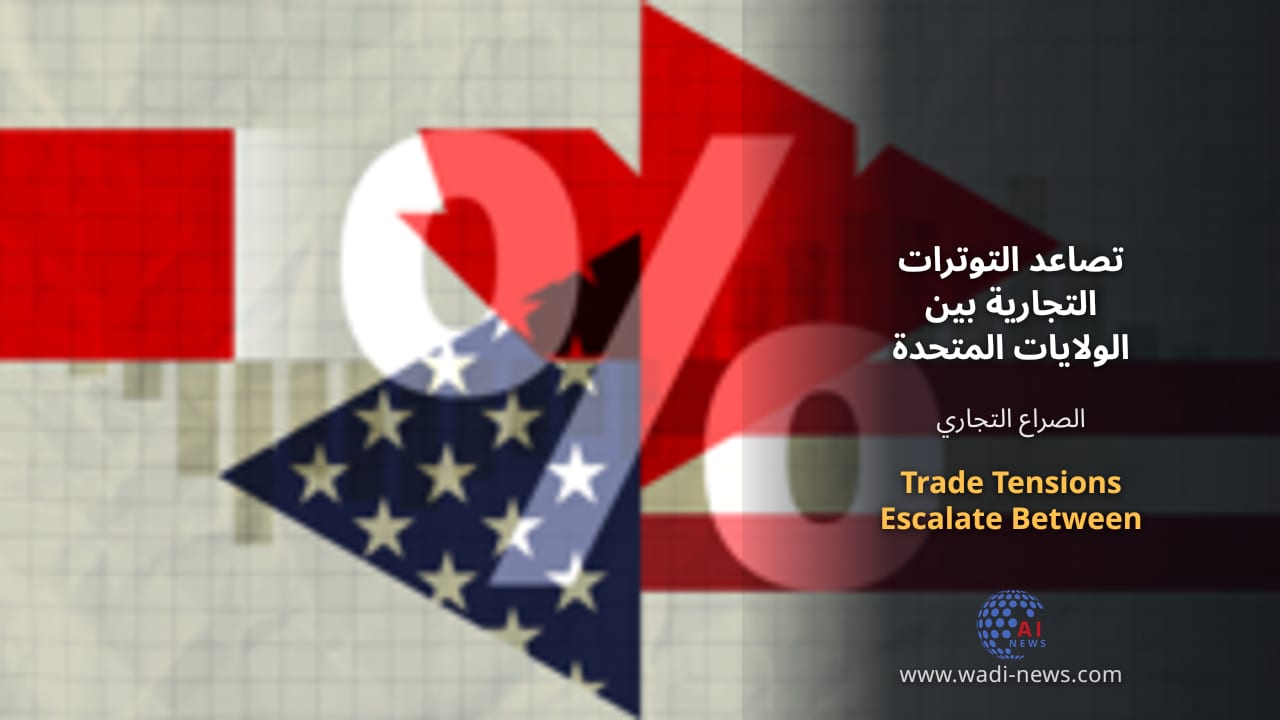
The trade relationship between the United States and Canada has recently entered a turbulent phase, characterized by rising tensions and retaliatory measures that are affecting both nations’ economies. This conflict has its roots in a series of disputes over tariffs, trade agreements, and regulatory practices that have strained what was once a robust partnership. As two of the largest trading partners in the world, the repercussions of this trade war are not confined to political rhetoric but have tangible effects on industries ranging from agriculture to technology.
In recent months, both countries have imposed tariffs on a variety of goods, leading to increased costs for manufacturers and consumers alike. For instance, American tariffs on Canadian lumber have raised prices for home builders and consumers looking to purchase new homes. Conversely, Canada has responded with its own tariffs on American products, creating a ripple effect that has led to uncertainty in markets and supply chains. Economists warn that if these tensions continue, the economic growth that both countries have enjoyed could be jeopardized, leading to potential job losses and reduced consumer spending.
Furthermore, the impact of the trade war extends beyond immediate economic concerns. It has also sparked debates about the future of trade agreements and the necessity for countries to reassess their trade policies in a rapidly changing global environment. Analysts suggest that both nations may need to come back to the negotiation table to find a resolution that addresses the underlying issues without further escalating the conflict. The possibility of a prolonged standoff could lead to a reevaluation of trade dependencies and partnerships in North America.
As the situation develops, stakeholders from various sectors are closely monitoring the changes and preparing for potential outcomes. Businesses are adapting to new realities, with some exploring alternative markets to mitigate the risks posed by the trade disputes. Meanwhile, consumers are feeling the pinch as prices rise, prompting discussions about how these trade policies affect everyday life. The path forward remains uncertain, but the need for dialogue and compromise is more pressing than ever as both nations navigate this complex economic landscape.