
Politics
The Ongoing Challenge of U.S. Military Engagement in Iran
Five years after the U.S. withdrawal from Afghanistan, the nation grapples with the complexities of military involvement in Iran, raising questions about the potential for prolonged conflict.
Aug 31, 2026, 10:48 AM | 1-2 min read | By Wadi News Editorial Team
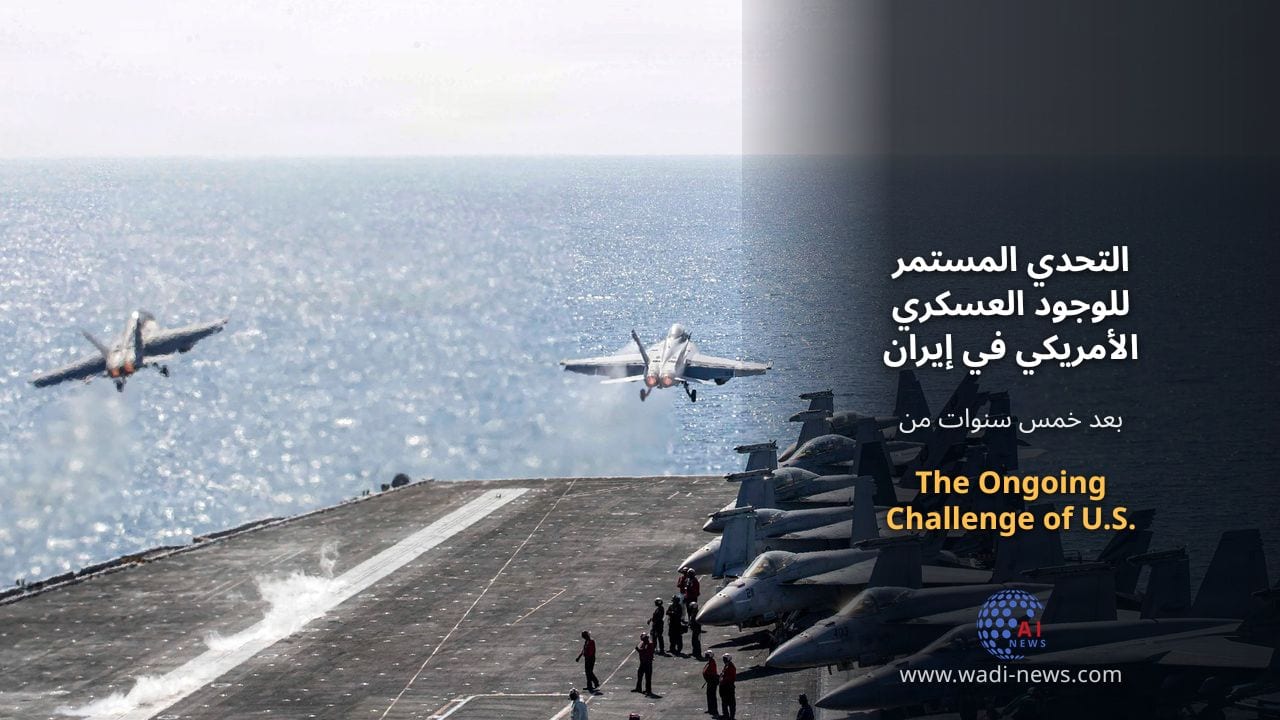
In the wake of its withdrawal from Afghanistan, the United States finds itself at a crossroads regarding its military strategy in Iran. The experience of a two-decade-long conflict in Afghanistan has left deep scars, and the lessons learned are now being tested in a different geopolitical landscape. As the U.S. seeks to navigate its interests in Iran, the possibility of limited objectives escalating into a prolonged engagement looms large. The complexities of local dynamics, coupled with the historical context of U.S. involvement, make it increasingly difficult for policymakers to find a clear exit strategy.
The shift in focus from Afghanistan to Iran highlights the ongoing challenges the U.S. faces in the region. The withdrawal from Afghanistan was meant to signify a new chapter, but it has instead raised questions about the effectiveness of American foreign policy. Critics argue that the failure to establish a stable government in Afghanistan serves as a cautionary tale for U.S. actions in Iran. The fear of repeating past mistakes weighs heavily on the minds of both military leaders and policymakers as they consider the ramifications of their next steps.
Moreover, the Iranian landscape is fraught with its own complexities, including regional tensions and the influence of various non-state actors. The U.S. must carefully assess its approach to avoid further complicating an already volatile situation. As the nation contemplates its military footprint, the challenge lies not only in defining its objectives but also in managing the expectations of its allies and domestic stakeholders. The potential for a long-term military presence raises ethical questions about the implications for Iranian sovereignty and the broader regional stability.
In conclusion, the ongoing military challenge in Iran is emblematic of a larger struggle within U.S. foreign policy. As the nation reflects on its past engagements, the lessons learned from Afghanistan must inform its strategy moving forward. The path ahead is fraught with uncertainty, and the U.S. must tread carefully to avoid the pitfalls of prolonged conflict while striving to achieve its national interests.