
Economy
Maritime Corridors and Geopolitical Strains
The article explores the geopolitical implications of maritime choke points and their impact on global trade.
Aug 31, 2026, 9:28 AM | 1-2 min read | By Wadi News Editorial Team
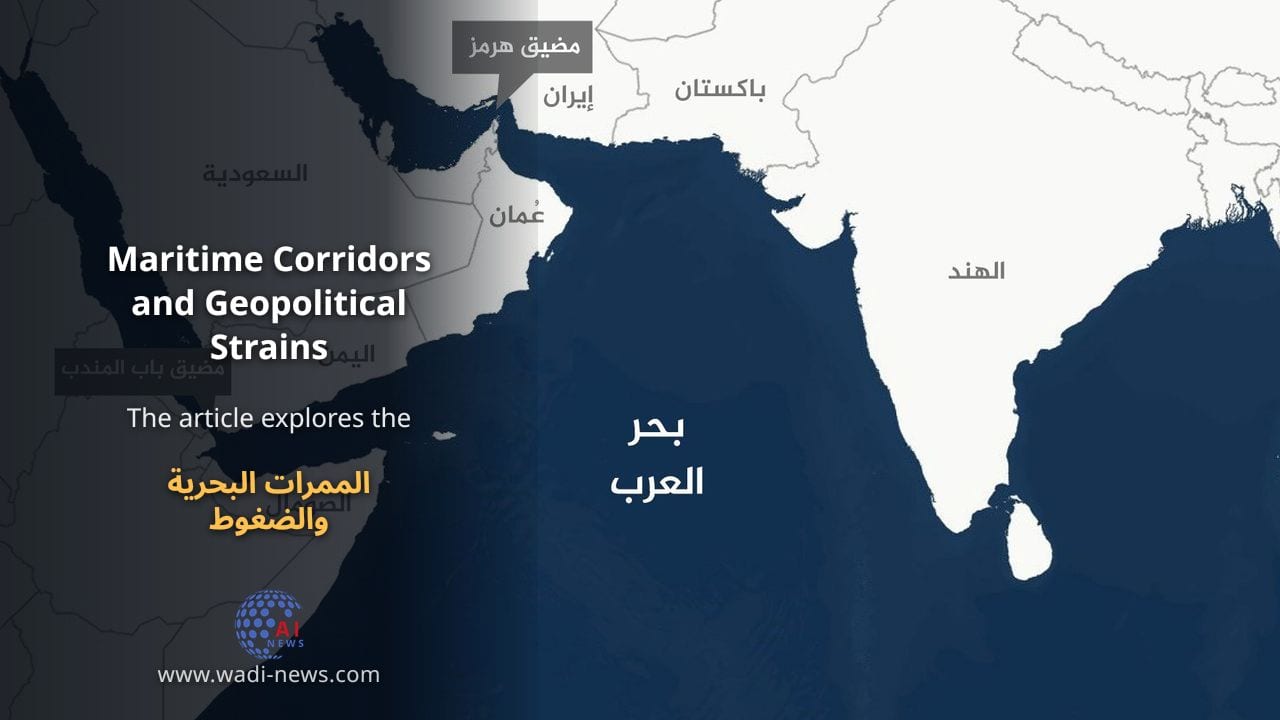
In recent years, the geopolitical landscape surrounding maritime corridors has become increasingly complex. The strategic importance of chokepoints like the Strait of Hormuz and Bab el-Mandeb cannot be overstated, as they are critical for the passage of oil and other vital goods. The threats posed to these waterways create significant pressure on the global economy, affecting nations far beyond the immediate regions. This situation calls for a reassessment of how these maritime routes are managed and secured.
The Strait of Hormuz, for instance, is a narrow passage that connects the Persian Gulf with the Arabian Sea, and it is a pivotal route for oil shipments from the Middle East. Any disruption here can lead to skyrocketing oil prices and panic in global markets. Similarly, Bab el-Mandeb serves as a crucial link between the Red Sea and the Gulf of Aden, impacting trade routes between Europe and Asia. Therefore, the stability of these regions is paramount not just for the countries directly involved, but for global economic health.
The article emphasizes the need for Arab nations to evolve into a stabilizing force that can ensure the security of maritime navigation and protect trade interests. By taking a proactive stance, these countries can mitigate the risks associated with geopolitical tensions that threaten these critical waterways. This approach not only enhances regional security but also reinforces the importance of collaborative efforts among nations to maintain open and secure maritime routes.
In conclusion, the geopolitical dynamics of maritime corridors require urgent attention and strategic planning. The call for Arab nations to step up as guardians of these vital routes is a necessary step toward ensuring that global trade remains uninterrupted. As the world becomes more interconnected, the management of these chokepoints will play a crucial role in shaping economic stability and security for all nations involved.