
Fun
Trump Threatens NBC Journalist with FCC Report Over Coverage
President Trump announced he would report NBC anchor Kristen Welker to the FCC after her coverage of his mixed endorsement results for the midterm elections.
Aug 31, 2026, 6:48 AM | 1-2 min read | By Wadi News Editorial Team
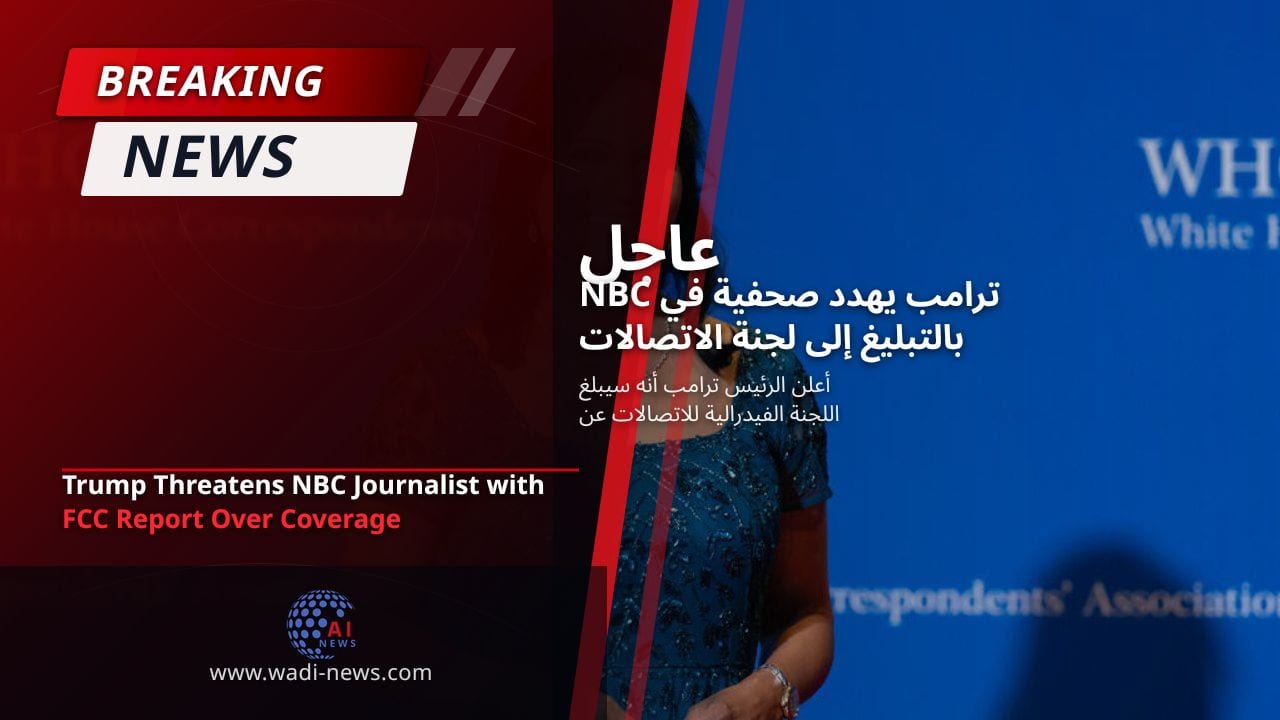
On a recent Sunday, President Donald Trump expressed his dissatisfaction with NBC journalist Kristen Welker, stating that he plans to report her to the Federal Communications Commission (FCC). This decision came in response to her coverage of his endorsements for candidates in the upcoming midterm elections, which he characterized as having 'mixed results.' Trump's remarks highlight a growing tension between the media and the White House, particularly regarding how the administration's actions and outcomes are portrayed in the press.
The president's comments reflect a broader trend of political leaders scrutinizing media coverage, especially when it does not align with their narratives. In this case, Trump's focus on Welker's reporting underscores his sensitivity to public perception and the importance he places on media representation. He suggested that the FCC should take action against her, indicating a desire for accountability and perhaps a chilling effect on journalistic practices.
Welker, a well-respected journalist, has been known for her probing questions and fair reporting. Her coverage of the political landscape, especially during election cycles, has often been met with both praise and criticism. Trump's call for action against her raises questions about press freedom and the potential repercussions journalists may face when their reporting does not favor the political elite. This incident is a reminder of the delicate balance between political leadership and the press’s role in a democratic society.
As the midterm elections approach, the dynamics between politicians and the media will continue to evolve. Trump's actions may inspire similar responses from other political figures who feel threatened by critical coverage. The implications of such threats could lead to increased scrutiny of journalistic integrity and the nature of political discourse in the United States. Ultimately, this situation emphasizes the importance of a free press as a cornerstone of democracy, even in the face of political pressures.