
Economy
Former Ecuadorian President Sentenced for Corruption
Lenín Moreno faces imprisonment after being found guilty of corruption related to a hydroelectric plant contract.
Aug 30, 2026, 10:10 AM | 1-2 min read | By Wadi News Editorial Team
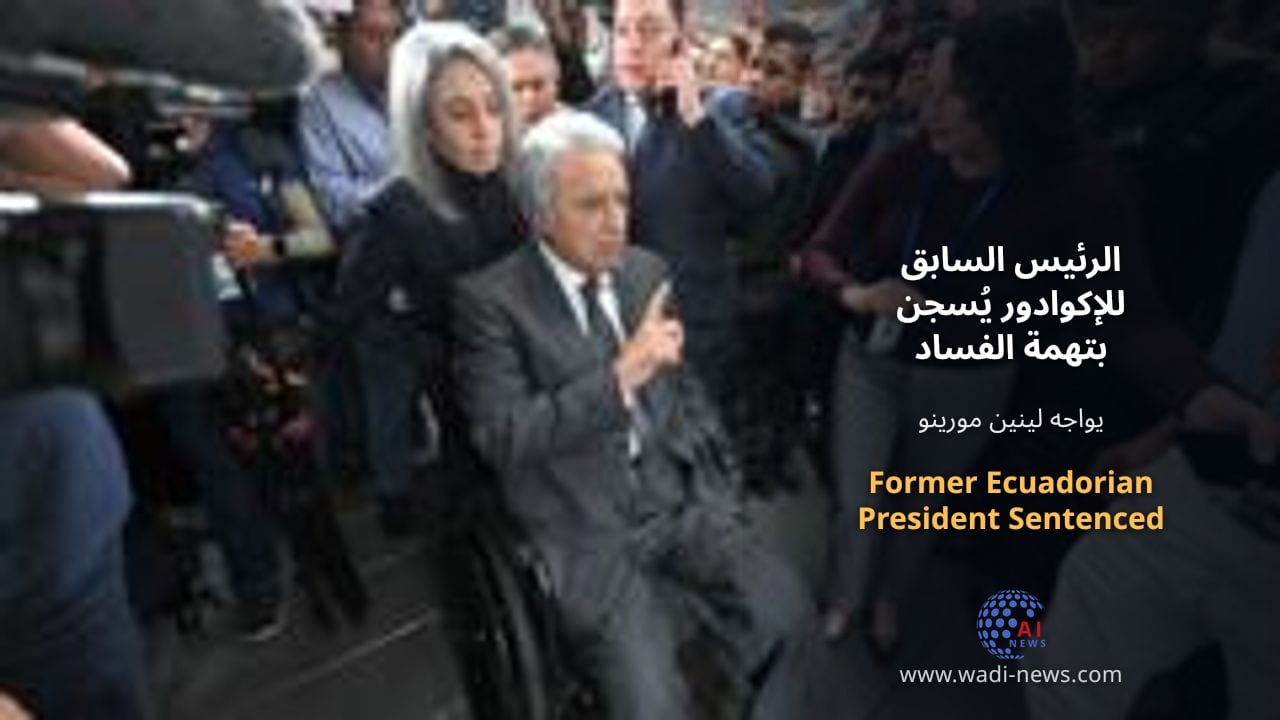
In a significant legal development, Lenín Moreno, the former president of Ecuador, has been sentenced to prison for his involvement in corruption related to a contract for the construction of a hydroelectric plant. This case has drawn considerable attention both nationally and internationally, highlighting issues of integrity and governance in Ecuador's political landscape. Moreno, who served as president from 2017 to 2021, has consistently denied any wrongdoing, asserting that he did not accept bribes from a Chinese company that was awarded the contract.
The allegations against Moreno stem from accusations that he accepted illicit payments to facilitate the deal with the Chinese firm. Investigations revealed that substantial sums of money were funneled into accounts associated with Moreno during his presidency. The court's decision to imprison him marks a pivotal moment in Ecuador's ongoing battle against corruption, which has plagued the nation for years. Supporters of Moreno argue that the prosecution is politically motivated, seeking to tarnish his reputation and undermine his legacy.
As the legal proceedings unfolded, Moreno maintained his innocence, claiming that the evidence presented was fabricated and that he was being targeted by his political opponents. His defense team has announced plans to appeal the ruling, insisting that the judicial process has been compromised. This case not only affects Moreno personally but also raises questions about the broader implications for political accountability in Ecuador, where corruption has often been a barrier to effective governance.
The verdict has sparked reactions from various sectors of society, with some hailing it as a victory for justice and anti-corruption efforts, while others see it as a troubling sign of political instability. As Ecuador navigates these turbulent waters, the focus will remain on how this case influences future governance and the fight against corruption in the country. The outcome of the appeal could set important precedents for how similar cases are treated in the future.