
Tech
Who Holds the Robots Accountable? A Question Raised by the AI Surge in China
A recent report highlights the rapid advancements in humanoid robots in China, raising important legal questions regarding accountability for their actions.
Aug 30, 2026, 2:08 AM | 1-2 min read | By Wadi News Editorial Team
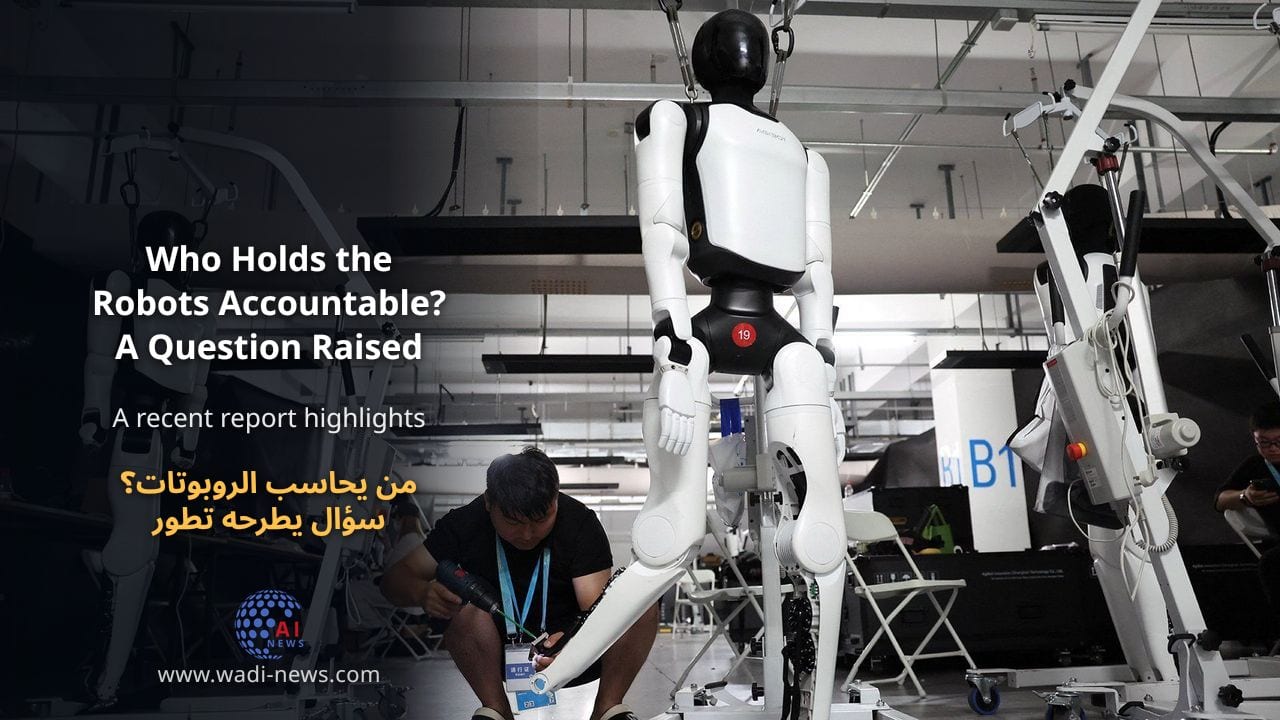
In recent years, China has witnessed a remarkable surge in the development of humanoid robots, showcasing their ability to interact with humans and make decisions autonomously. This evolution of technology brings forth a series of complex legal dilemmas surrounding the accountability of these machines. As humanoid robots become more integrated into society, the question of who is responsible for their actions becomes increasingly pertinent. This is particularly relevant in scenarios where robots may cause harm or make errors in judgment.
The advancements in artificial intelligence (AI) have enabled these robots to perform tasks that were once thought to be exclusive to humans. For instance, they are now capable of engaging in conversations, providing customer service, and even assisting in medical procedures. However, as their capabilities expand, so too do the potential consequences of their actions. Legal experts are now debating whether the liability for a robot's mistake falls on the manufacturers, the programmers, or the robots themselves.
Moreover, the rapid proliferation of humanoid robots raises ethical concerns about their role in society. As these machines are increasingly deployed in various sectors, including healthcare and hospitality, the implications for human jobs and responsibilities must be carefully considered. The potential for robots to take on roles that traditionally require human judgment complicates the landscape of accountability even further, leading to calls for clearer regulations and guidelines.
In conclusion, as China continues to lead the charge in humanoid robot development, the pressing question of accountability remains unresolved. Stakeholders must come together to establish a framework that addresses the legal and ethical implications of AI technologies. Only by doing so can society ensure that the benefits of these advancements do not come at the cost of safety and responsibility.