
Politics
Iceland Holds Referendum on Rejoining the European Union
Approximately 273,000 voters in Iceland participated in a referendum to assess the possibility of reopening negotiations for the country's EU membership.
Aug 29, 2026, 10:08 PM | 1-2 min read | By Wadi News Editorial Team
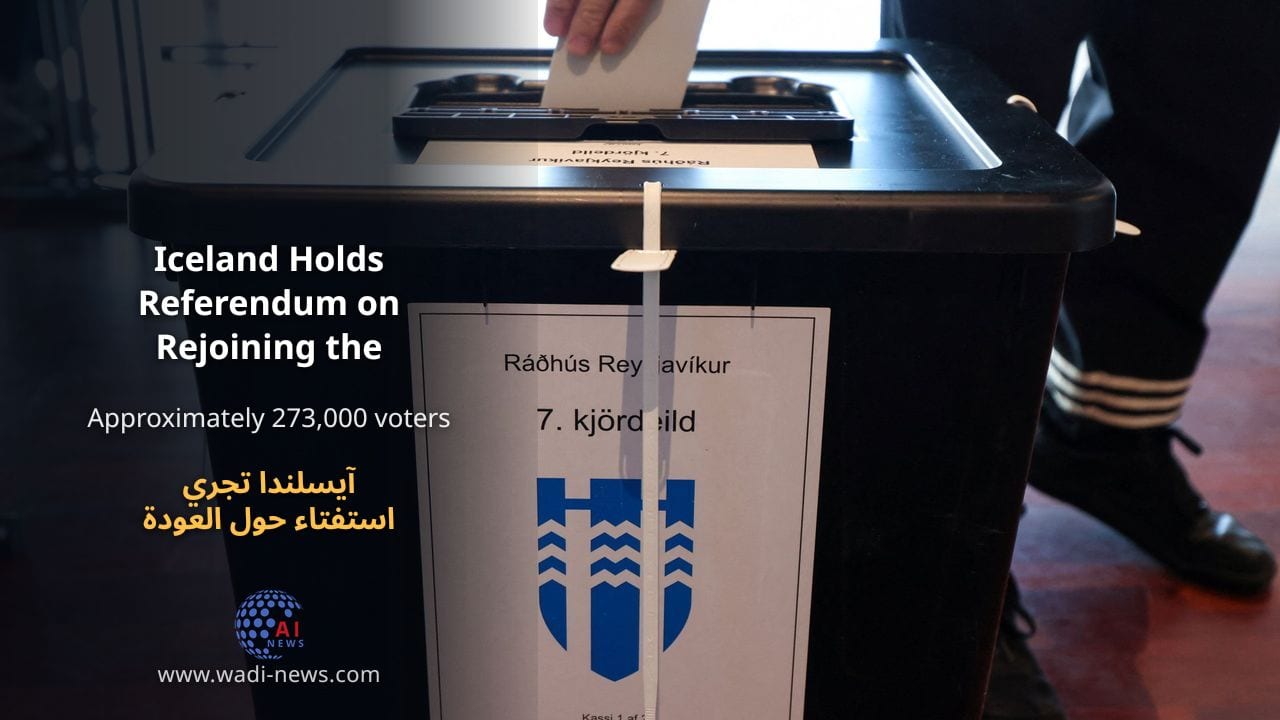
In a significant political move, Iceland has opened the door to a potential shift in its international relations by conducting a referendum to gauge public support for reinitiating talks for European Union membership. This decision comes as the country seeks to reassess its position amidst changing geopolitical landscapes. With approximately 273,000 eligible voters casting their ballots, the referendum marks a pivotal moment in Iceland's political history.
The initiative to hold a referendum reflects a growing sentiment among the Icelandic populace regarding the benefits of EU membership, especially in terms of economic stability and access to broader markets. Advocates for rejoining the EU argue that membership would enhance Iceland's economic prospects and provide greater security in an increasingly interconnected world. They emphasize the importance of being part of a larger economic framework, particularly in light of recent global challenges.
On the other hand, opposition voices within the country caution against rejoining the EU, citing concerns over national sovereignty and the potential loss of control over domestic affairs. Critics argue that EU membership could impose regulations that may not align with Iceland's unique cultural and economic needs. The ongoing debate highlights the complexities of Iceland's relationship with the EU and the diverse perspectives held by its citizens.
As the votes are counted and the results are anticipated, the outcome of this referendum will undoubtedly shape Iceland's future direction. The government has expressed its commitment to respecting the will of the people, whatever the result may be. This referendum not only serves as a reflection of Iceland's current political climate but also as a critical juncture in its quest for identity and purpose on the European stage.