
Tech
Elderly in China Embrace the World of Artificial Intelligence
In China, senior citizens are learning to utilize artificial intelligence in their daily lives, enhancing various activities from cooking to photo editing.
Aug 29, 2026, 7:28 PM | 1-2 min read | By Wadi News Editorial Team
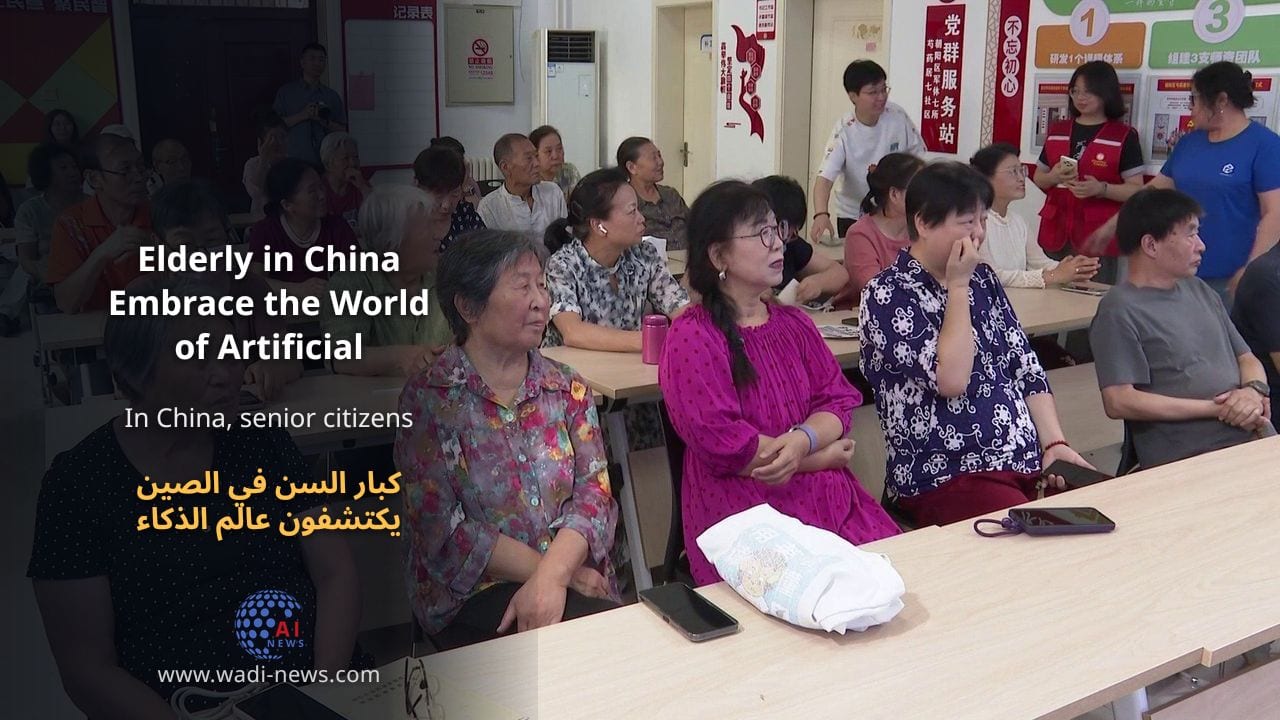
In recent years, the integration of artificial intelligence (AI) into daily life has become a significant trend globally, and China is no exception. Senior citizens in the country are taking active steps to learn how AI can assist them in various aspects of their lives. From cooking to solving academic problems, the elderly are finding innovative ways to incorporate technology into their routines. This shift not only enhances their daily activities but also fosters a sense of independence and connectivity with the younger generations.
One of the most notable applications of AI among the elderly is in cooking. Many seniors are now using AI-powered kitchen gadgets that assist them in meal preparation. These devices can suggest recipes based on available ingredients and even guide them through cooking processes. This not only simplifies the cooking experience but also allows seniors to experiment with new dishes, promoting a healthier lifestyle.
Moreover, artificial intelligence is being used to assist elderly individuals with educational needs. Many seniors are returning to study, whether to help their grandchildren with homework or to learn new skills themselves. AI tools can provide instant answers to questions and explain complex concepts in a more digestible manner. This educational support helps bridge the generational gap, as older adults can engage more deeply with younger family members.
Additionally, AI is proving to be a valuable resource for preserving memories. Seniors are using AI technology to restore old photographs and merge them with modern images. This creative process not only brings nostalgia but also strengthens family bonds as they engage in storytelling and sharing memories. The ability to blend the past with the present allows seniors to maintain a connection with their history while embracing the future.
In conclusion, the growing engagement of elderly individuals with artificial intelligence in China marks a significant cultural shift. By learning to harness the power of AI, seniors are not only enhancing their daily lives but are also redefining their roles within families and society. This trend highlights the importance of inclusivity in technology and the potential for AI to improve the quality of life for all age groups.