
Politics
Penguin India Issues Statement on Sonia Gandhi's Memoir Publication
Penguin India has released a statement regarding the publication of Sonia Gandhi's memoir, 'Belonging', addressing important aspects of their decision to withdraw from publishing.
Aug 28, 2026, 10:48 PM | 1-2 min read | By Wadi News Editorial Team
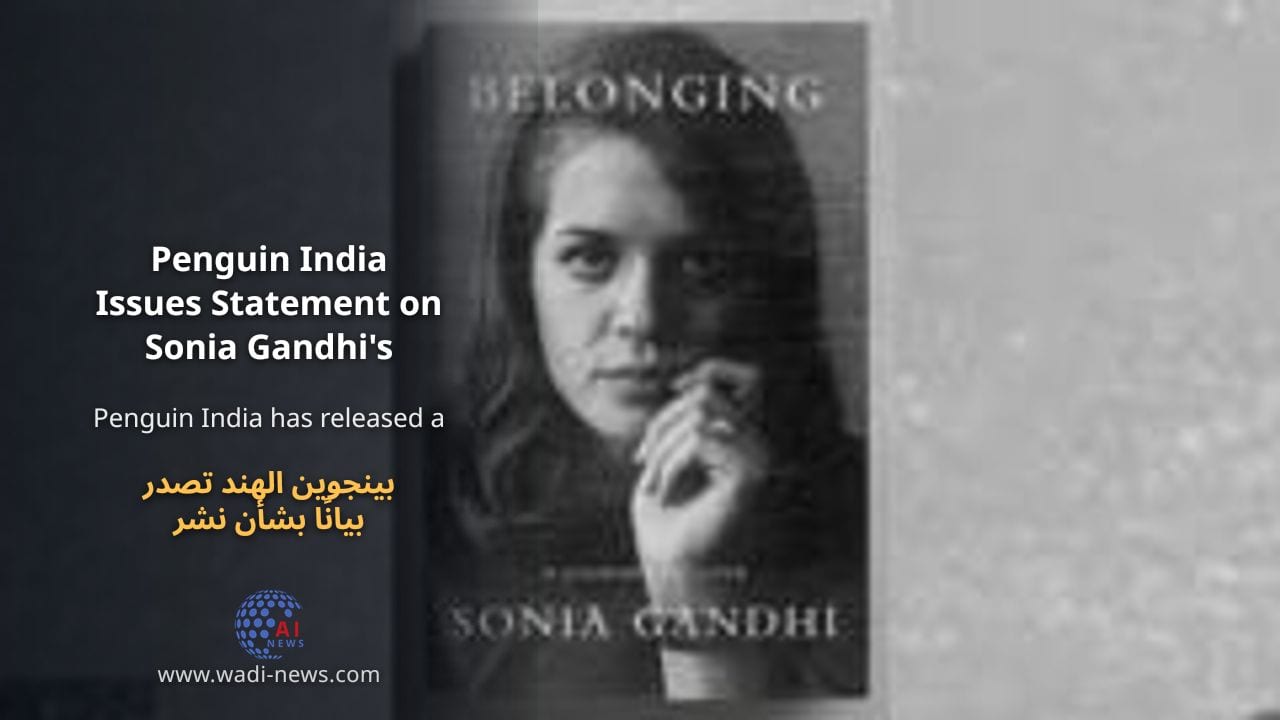
In a recent development, Penguin India has publicly addressed the controversy surrounding the publication of Sonia Gandhi's memoir, titled 'Belonging'. The company issued a formal statement clarifying its position and the reasons behind its decision to step back from the publication. This announcement comes as a surprise to many who were eagerly anticipating the release of the memoir, which promises to shed light on Gandhi's personal and political journey.
The statement from Penguin India highlighted several key points regarding the publication process. It emphasized the challenges and considerations that influenced their decision. The company mentioned that they had conducted extensive discussions and evaluations before arriving at the conclusion to halt the publication. This decision reflects the complexities involved in publishing works of significant political figures, particularly in a dynamic political landscape.
Sonia Gandhi's memoir was expected to provide insights into her experiences and the evolution of her political career, making it a highly anticipated release. The withdrawal from publication has raised questions among readers and political analysts alike about the implications of such a decision. It is crucial to understand the context in which this decision was made, as it may have broader ramifications in the publishing industry, particularly concerning biographies of influential politicians.
In conclusion, the statement from Penguin India has opened up a dialogue about the responsibilities of publishers when dealing with politically sensitive content. As the situation unfolds, many will be watching closely to see how this affects not only Sonia Gandhi's memoir but also the future of political publishing in India. The decision to withdraw raises important discussions about freedom of expression and the role of publishers in navigating complex political narratives.