
Politics
The Strategic Tug-of-War: Panama Canal in the Spotlight
As tensions rise in the Strait of Hormuz due to ongoing conflicts, attention shifts towards the Panama Canal, a crucial maritime passage connecting the Atlantic and Pacific Oceans amidst heightened competition between China and the United States.
Aug 25, 2026, 6:08 PM | 1-2 min read | By Wadi News Editorial Team
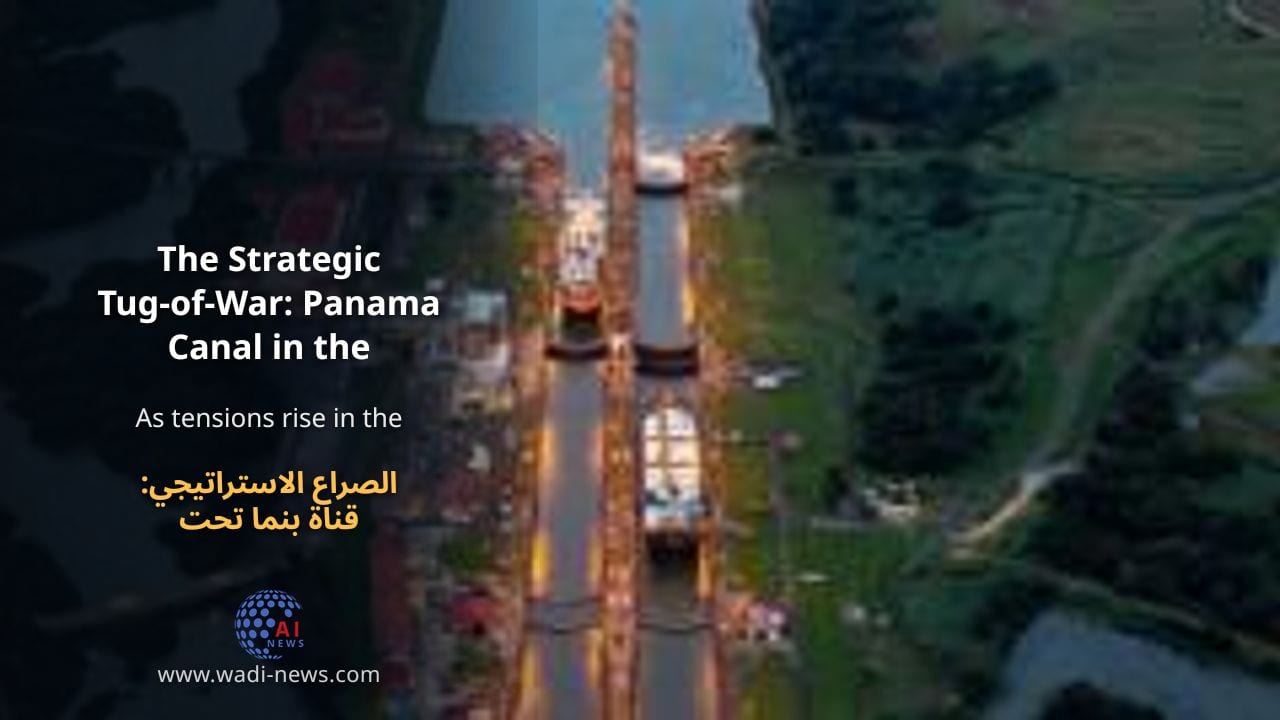
The ongoing conflict in Iran has significantly disrupted maritime traffic in the Strait of Hormuz, a vital shipping route that plays a crucial role in global trade. With shipping lanes under pressure, attention has now turned to another strategic chokepoint thousands of kilometers away: the Panama Canal. This critical waterway connects the Atlantic and Pacific Oceans, serving as a pivotal junction for international maritime commerce.
The Panama Canal has long been a focal point of geopolitical interest, particularly as the competition between China and the United States intensifies. Both nations recognize the canal's strategic importance, which not only facilitates trade but also serves as a significant leverage point in global politics. The United States, having historically maintained a strong influence over the canal, is now facing the challenge of China's increasing assertiveness in the region.
Recent developments indicate that both superpowers are keen on establishing stronger ties with Panama, aiming to enhance their presence in Central America. This competition is not merely about trade; it reflects broader geopolitical strategies where control over key maritime routes can influence global supply chains and national security.
As tensions in the Strait of Hormuz continue, the significance of the Panama Canal is likely to grow, with both nations vying to secure their interests. Observers are closely monitoring how this rivalry will unfold, as it could have far-reaching implications for international relations and trade dynamics in the coming years.