
Fun
The Clash of Culinary Voices: Influencers vs. Critics
The food industry is witnessing a significant shift as influencers gain prominence, raising questions about the credibility and impact of social media on traditional food criticism.
Aug 25, 2026, 5:28 PM | 1-2 min read | By Wadi News Editorial Team
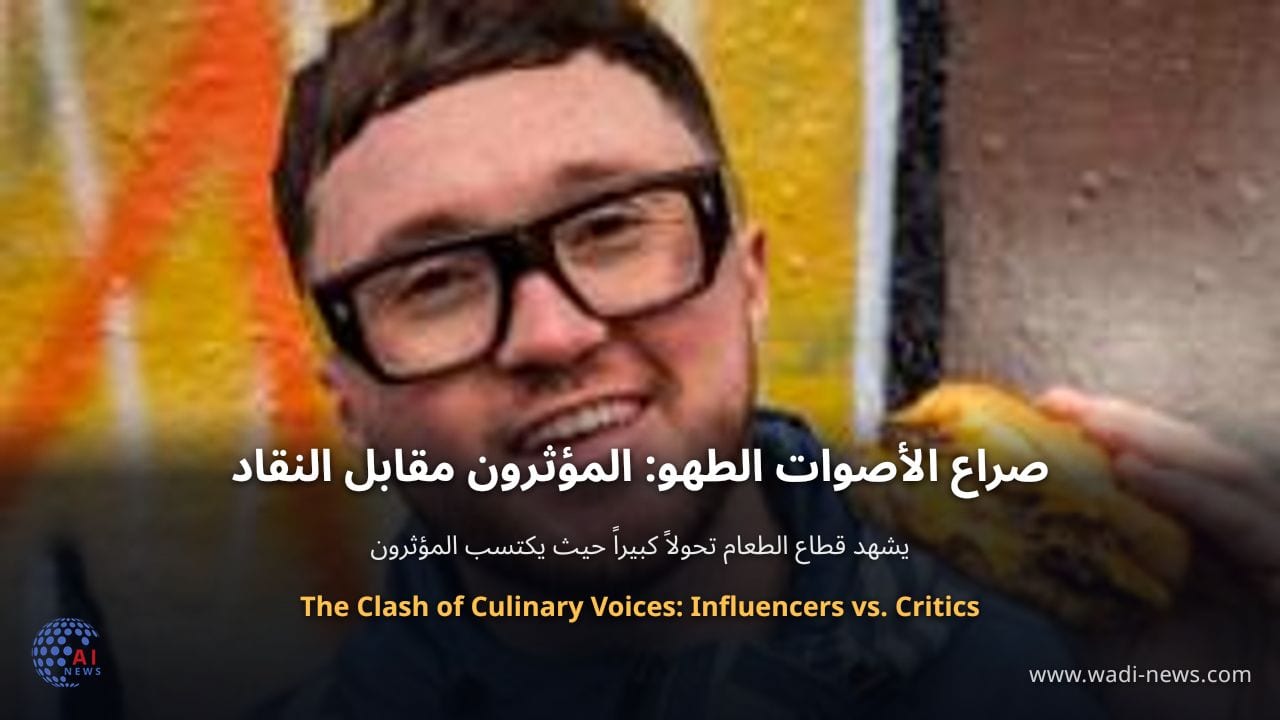
In recent years, the culinary landscape has transformed dramatically, largely due to the rise of food influencers on platforms like Instagram and TikTok. These individuals, often with large followings, share their food experiences and recommendations, which can significantly sway public opinion. This shift has sparked a debate within the culinary community about the role of traditional food critics versus modern influencers. Critics, who often have formal training and extensive experience in the culinary arts, argue that their insights are rooted in a deep understanding of food quality, preparation techniques, and cultural context.
On the other hand, food influencers bring a fresh perspective, appealing to younger audiences who are more engaged with social media than traditional media. Their content often prioritizes visual appeal and relatability, which can resonate more with everyday consumers. This has led to a democratization of food criticism, where anyone can share their opinions and experiences, potentially overshadowing established critics in the process.
Furthermore, the influence of social media extends beyond just individual opinions; it shapes trends and dining habits. Restaurants now find themselves catering to the aesthetic demands of influencers, often modifying their presentations to gain traction on social media. This phenomenon raises questions about the authenticity of food experiences and whether the pursuit of 'Instagrammable' moments detracts from the true essence of culinary art.
As this dynamic continues to evolve, both food influencers and critics must navigate their roles carefully. Influencers need to establish credibility and trust with their audiences, while critics must adapt to the changing landscape and find ways to remain relevant. Ultimately, this clash of voices may lead to a richer, more diverse food culture, where various perspectives contribute to the ongoing dialogue about what constitutes good food.