
Tech
China's Quiet Revolution: The Rise of Millions of Robot Workers
While humanoid robots showcase China's technological advancements, the true revolution is occurring quietly in factories and classrooms across the nation.
Aug 25, 2026, 3:28 PM | 3 min read | By Wadi News Editorial Team
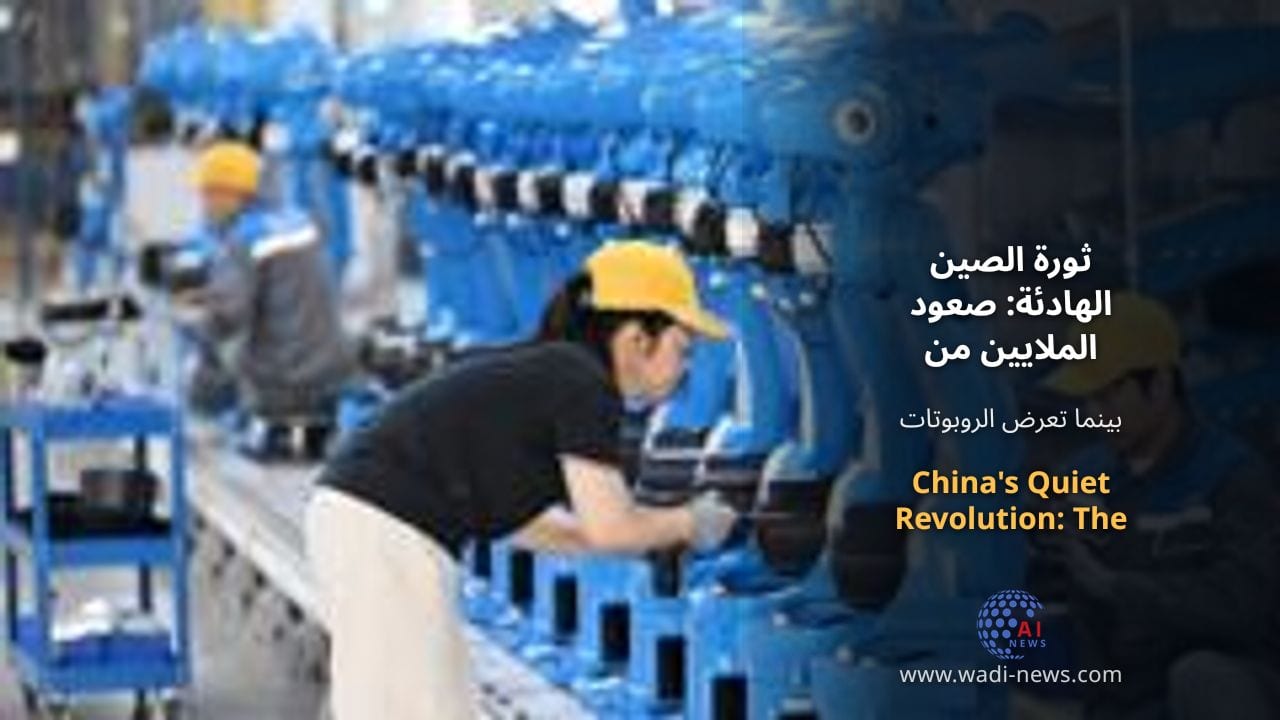
In recent years, China has embarked on a significant transformation in its labor landscape, characterized by the increasing integration of robotic technology into various sectors. This shift is not just about the impressive humanoid robots that capture public attention during exhibitions and demonstrations; rather, it is a fundamental change taking place behind the scenes in factories and educational institutions. The deployment of millions of robots is redefining the workforce, enhancing productivity, and addressing labor shortages in a rapidly evolving economy.
The visibility of humanoid robots often overshadows the broader implications of automation. These machines are designed to perform tasks that range from simple assembly line work to complex functions in logistics and education. In factories, robots are increasingly taking over repetitive tasks, allowing human workers to focus on more strategic roles. This transition is not only improving efficiency but also ensuring that companies can remain competitive in the global market.
In classrooms, the use of robotic technology is revolutionizing the way education is delivered. Robots assist in teaching, providing personalized learning experiences to students. This innovative approach not only enhances learning outcomes but also prepares the next generation for a future where technology and human collaboration will be paramount.
As China continues to invest in robotic technology, the implications for the labor market are profound. While there are concerns about job displacement, the overall narrative suggests a shift towards more skilled positions that require human oversight and creativity. The country’s focus on innovation and technology positions it at the forefront of the global robotics industry, paving the way for a future where humans and robots work side by side.
Impact on Employment

The rise of robotic workers presents both challenges and opportunities for the workforce. While some jobs may be lost to automation, new roles are emerging that require advanced skills and adaptability. Workers are encouraged to engage in lifelong learning and upskilling to thrive in this new environment. Companies are also investing in training programs to help their employees transition into these new roles, ensuring that the workforce can meet the demands of a technology-driven economy.