
Tech
China's Manufacturing Sector Embraces Rapid Robot Integration
China's factories are increasingly relying on robotic technology, with over two million robots currently in operation, marking a significant shift in manufacturing practices.
Aug 25, 2026, 12:08 PM | 1-2 min read | By Wadi News Editorial Team
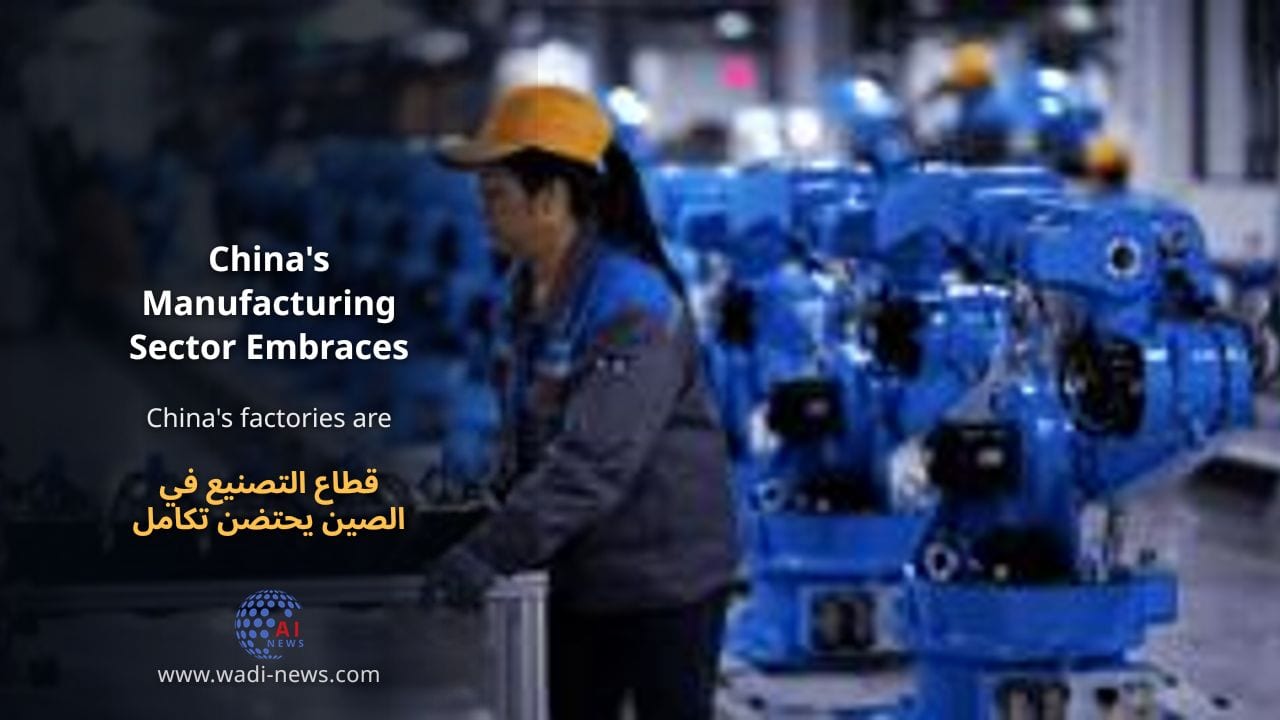
In recent years, China's manufacturing landscape has been transformed by the rapid integration of robotic technology. With over two million robots now actively working in various factories across the country, this industrial shift is reshaping the way products are made, increasing efficiency and productivity. The rise of robotics in manufacturing is not just about replacing human labor; it reflects a broader trend toward automation that is essential for maintaining competitiveness in a global market.
The embrace of robotic systems is evident in several sectors, including electronics, automotive, and consumer goods, where precision and speed are paramount. Factories are increasingly adopting advanced robotic solutions to streamline operations, reduce errors, and optimize workflows. As a result, many Chinese manufacturers are able to produce goods at a much faster rate than traditional methods allow, thus meeting the growing demand both domestically and internationally.
Moreover, this shift towards automation is supported by significant investments from both the government and private sectors. The Chinese government has been proactive in promoting the use of robotics as part of its broader strategy to enhance industrial capabilities and innovation. This includes financial incentives for companies that adopt advanced manufacturing technologies, as well as initiatives aimed at developing a skilled workforce to manage and maintain these sophisticated machines.
As the number of robots continues to rise, experts predict that this trend will only accelerate in the coming years. The implications for the workforce are significant, as the demand for skilled technicians and engineers to oversee robotic systems will increase. While there are concerns about job displacement, proponents argue that automation can lead to the creation of new roles that focus on higher-level tasks, ultimately benefiting the economy as a whole. The quiet revolution of robotics in China is a testament to the country's commitment to innovation and efficiency in manufacturing, setting a precedent for industries worldwide.