
Economy
Managing Small Expense Leaks Effectively
Recurring small expenses can subtly drain your finances, leading to significant budgetary impacts over time.
Aug 24, 2026, 7:28 AM | 1-2 min read | By Wadi News Editorial Team
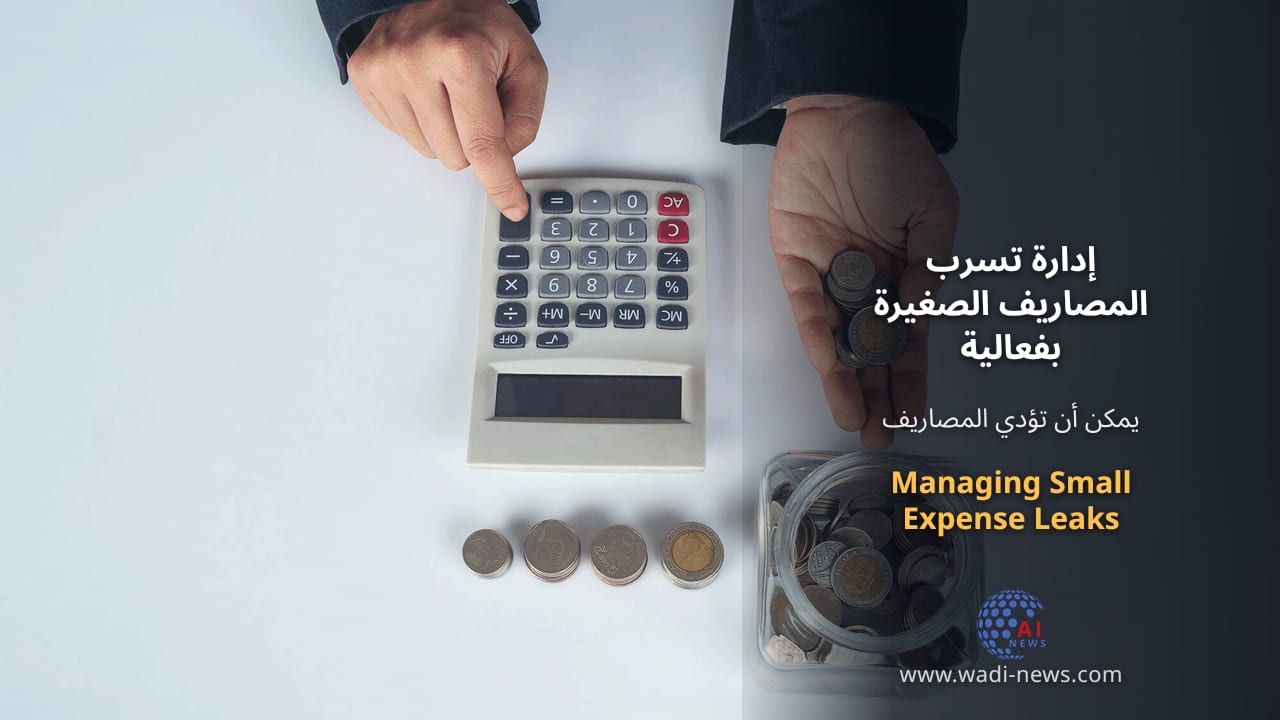
In today's fast-paced world, it's easy to overlook the small expenses that accumulate in our daily lives. Items like coffee, delivery services, and spontaneous purchases may seem insignificant at first glance. However, these seemingly minor costs can add up quickly and create a substantial burden on one’s personal budget. Understanding how to manage these leaks is crucial for maintaining financial health.
To tackle the issue of small expense leaks, one must first identify where the money is going. Keeping a detailed record of all expenditures, no matter how trivial they may appear, is essential. By tracking spending habits, individuals can gain insight into patterns that lead to overspending. This awareness is the first step towards making informed financial decisions.
After identifying the sources of these leaks, it is important to set a budget that accounts for both essential and non-essential expenses. Allocating a specific amount for discretionary spending can help limit the temptation of spontaneous purchases. By adhering to this budget, individuals can enjoy their small luxuries without compromising their overall financial stability.
Moreover, adopting a more mindful approach to spending can significantly reduce unnecessary expenses. This might involve asking oneself if a purchase is truly needed or if it can wait. Implementing such practices can help cultivate a more disciplined financial mindset, ultimately leading to better management of personal finances. In conclusion, while small expenses may seem harmless, they can have a profound impact on your budget if not managed properly. Taking proactive steps to identify and control these leaks is essential for achieving long-term financial success.