
Politics
Germany and Italy Face Growing Dispute Over Migrant Reception
The ongoing migrant crisis is intensifying tensions between Germany and Italy, as both countries hold differing interpretations of European asylum rules.
Aug 24, 2026, 2:08 AM | 1-2 min read | By Wadi News Editorial Team
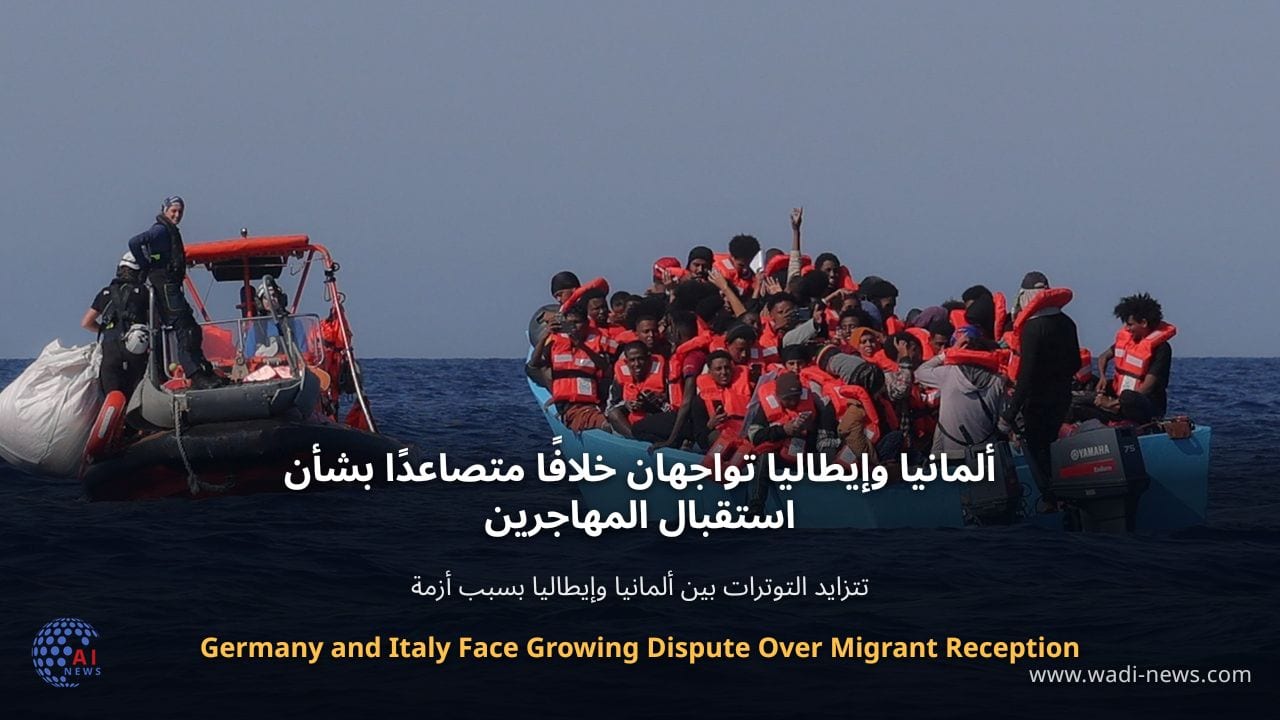
The issue of migration has sparked a new front in the political landscape between Rome and Berlin. Recent events concerning the rescue of migrants in the Mediterranean Sea and their subsequent transfer to Italy have become a point of contention. This disagreement is rooted in the contrasting interpretations of European asylum regulations by both nations. Germany argues for a more humanitarian approach, advocating for the rights of migrants, while Italy emphasizes stricter border controls, reflecting its concerns over national security and resource allocation.
The situation escalated when several rescue missions in the Mediterranean led to a surge in the number of migrants arriving in Italy. Berlin has expressed its willingness to assist in the relocation of these individuals, yet Rome has been reluctant to accept such proposals without clearer commitments from its European partners. This has led to accusations from both sides, with Italy accusing Germany of not doing enough to share the burden of migrant reception, while Germany criticizes Italy for not adhering to the agreed-upon protocols for asylum seekers.
As the debate rages on, both governments are under pressure from their respective populations. In Germany, there is a growing call for compassion towards those fleeing conflict and persecution, while in Italy, public sentiment is increasingly leaning towards the need for stricter immigration policies. This divergence in public opinion is complicating diplomatic efforts to reach a consensus on how to handle the ongoing migrant situation effectively.
In conclusion, the dispute over migrant reception between Germany and Italy highlights broader challenges within the European Union regarding migration policies. As both nations continue to grapple with their interpretations of asylum laws, the future of migrant reception in Europe remains uncertain. A collaborative approach is essential to address the humanitarian needs of migrants while also considering the concerns of individual member states.