
Tech
Central European Nations Bet on China to Offset German Economic Slowdown
Central European countries are increasing their investments in China to counter the slowdown in the German economy, leveraging Chinese automotive and battery manufacturing.
Aug 23, 2026, 6:48 AM | 1-2 min read | By Wadi News Editorial Team
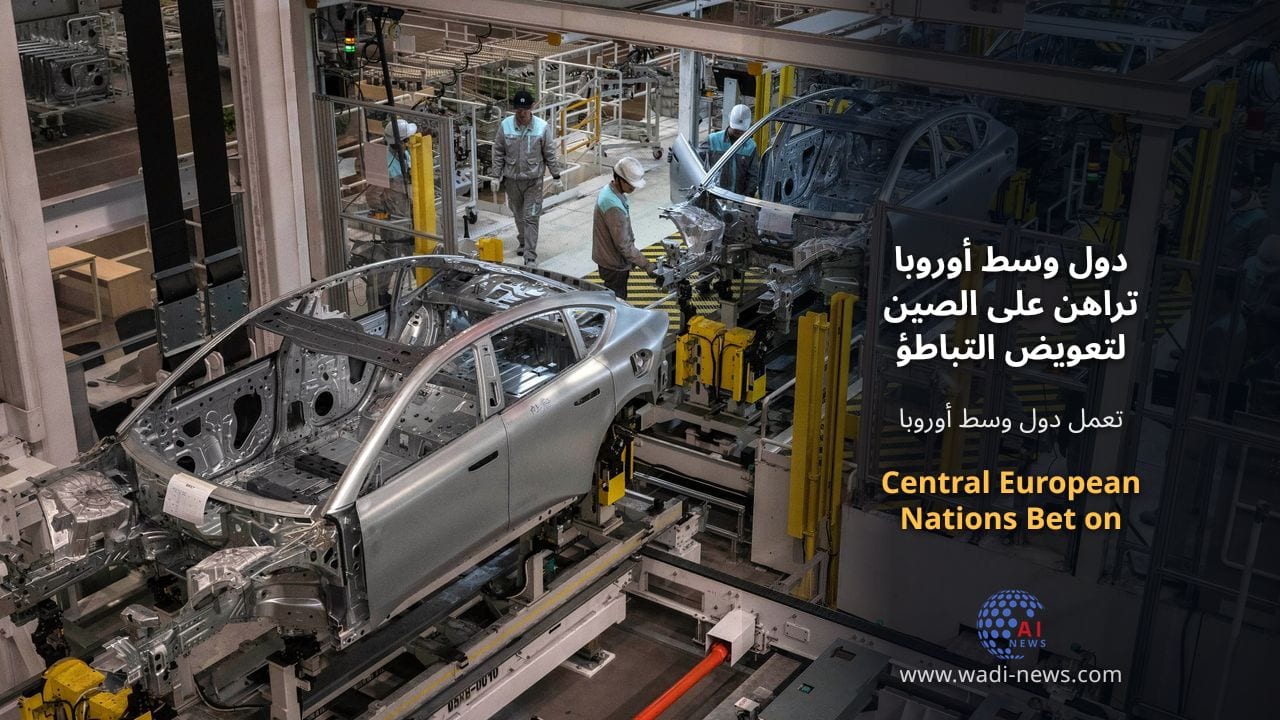
In response to the recent economic slowdown in Germany, Central European nations are strategically focusing on enhancing their investments in China. This shift is primarily driven by the potential benefits derived from Chinese manufacturing capabilities, particularly in the automotive and battery sectors. As Germany, a leading economic powerhouse in Europe, faces challenges, these Central European countries see an opportunity to strengthen their economic ties with China, aiming to fill the gap left by Germany's reduced economic activity.
The automotive industry in China has seen significant growth and innovation, making it a critical player in global supply chains. Central European countries, recognizing this, are looking to establish partnerships that can not only provide them with advanced technology but also create jobs and stimulate local economies. The collaboration with Chinese manufacturers could lead to a shift in production lines, allowing some German manufacturers to relocate their operations to Central Europe, where costs may be lower, and incentives more favorable.
Moreover, this strategic pivot towards China reflects a broader trend within Europe, where countries are exploring new avenues for economic collaboration beyond traditional partnerships. The reliance on China for manufacturing solutions is seen as a way to ensure competitiveness in a rapidly changing global market. The Central European nations are keen on capitalizing on this trend, hoping to attract Chinese investments that can foster economic growth and technological advancement.
In conclusion, as the German economy navigates its current challenges, Central European countries are positioning themselves to become attractive destinations for Chinese investments. By fostering these relationships, they aim not only to mitigate the impacts of Germany's slowdown but also to create a robust economic framework that can sustain their growth in the future.