
Politics
Afghanistan's Stability and Future Challenges Under Taliban Rule
Five years into Taliban governance, Afghanistan shows signs of stability but faces potential turmoil from armed resistance and external threats.
Aug 21, 2026, 10:48 AM | 1-2 min read | By Wadi News Editorial Team
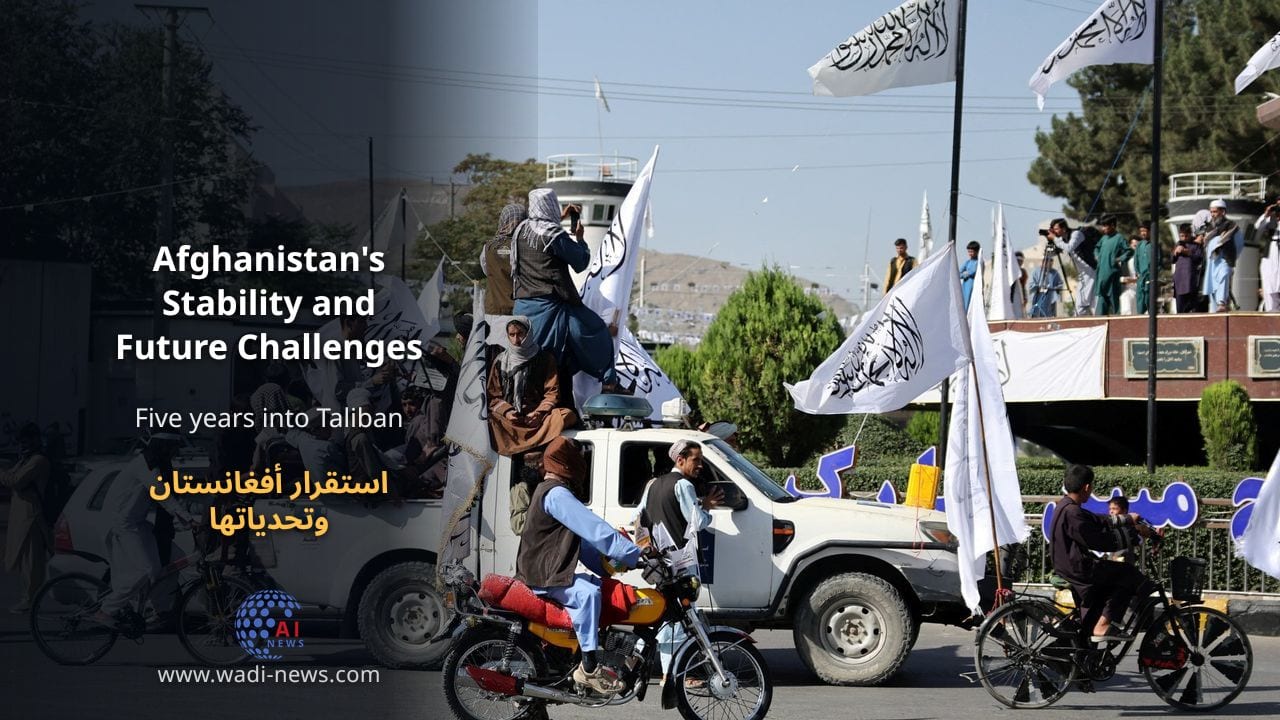
Afghanistan has been under the control of the Taliban for five years, a period marked by significant changes in governance and societal structure. During this time, the country has experienced a relative sense of stability compared to previous decades of conflict. The Taliban's administration has managed to maintain a semblance of order, and the economy, although challenged, has shown resilience in the face of international isolation and sanctions. Despite these positive indicators, the future remains uncertain as various factors threaten to disrupt this fragile peace.
One of the most pressing challenges is the rise of armed resistance groups within the country. These factions, opposed to the Taliban's rule, have been increasingly active, launching attacks and undermining the security established by the government. This resistance poses a significant threat to the stability that has been achieved, as it could lead to renewed violence and further complicate the political landscape. The Taliban's ability to address this internal dissent will be crucial in maintaining their hold on power and ensuring the safety of Afghan citizens.
Additionally, the threat posed by the Islamic State (IS) has escalated in recent months. The group has claimed responsibility for several high-profile attacks, targeting both civilians and Taliban officials. Their presence in Afghanistan raises alarms not only for national security but also for regional stability, as their activities could provoke responses from neighboring countries. The Taliban must navigate these threats carefully, as any misstep could result in a resurgence of conflict that Afghanistan has struggled to escape.
Moreover, Afghanistan's relationship with Pakistan continues to be fraught with tension. Historical grievances and border disputes have led to a complicated dynamic that affects trade and security cooperation. The Taliban's leadership will need to engage diplomatically with Pakistan to resolve these issues, as unresolved conflicts could spill over into violence and affect the overall stability of the region. As the Taliban seeks to solidify its rule, addressing external pressures and fostering better relations with neighboring countries will be essential.
In conclusion, while Afghanistan has made strides towards stability under Taliban rule, the path ahead is fraught with challenges. The combination of internal resistance, external threats from groups like ISIS, and complicated regional relations demands a nuanced approach from the Taliban leadership. The coming years will be critical in determining whether Afghanistan can sustain its current stability or if it will descend into further chaos.