
Economy
War Economy: Growth in Russia and Ukraine, but Citizens Suffer
Official data indicates economic growth in Russia and Ukraine despite ongoing conflict, yet this growth masks deeper issues like high inflation and rising debt.
Aug 17, 2026, 9:37 PM | 1-2 min read | By Wadi News Editorial Team
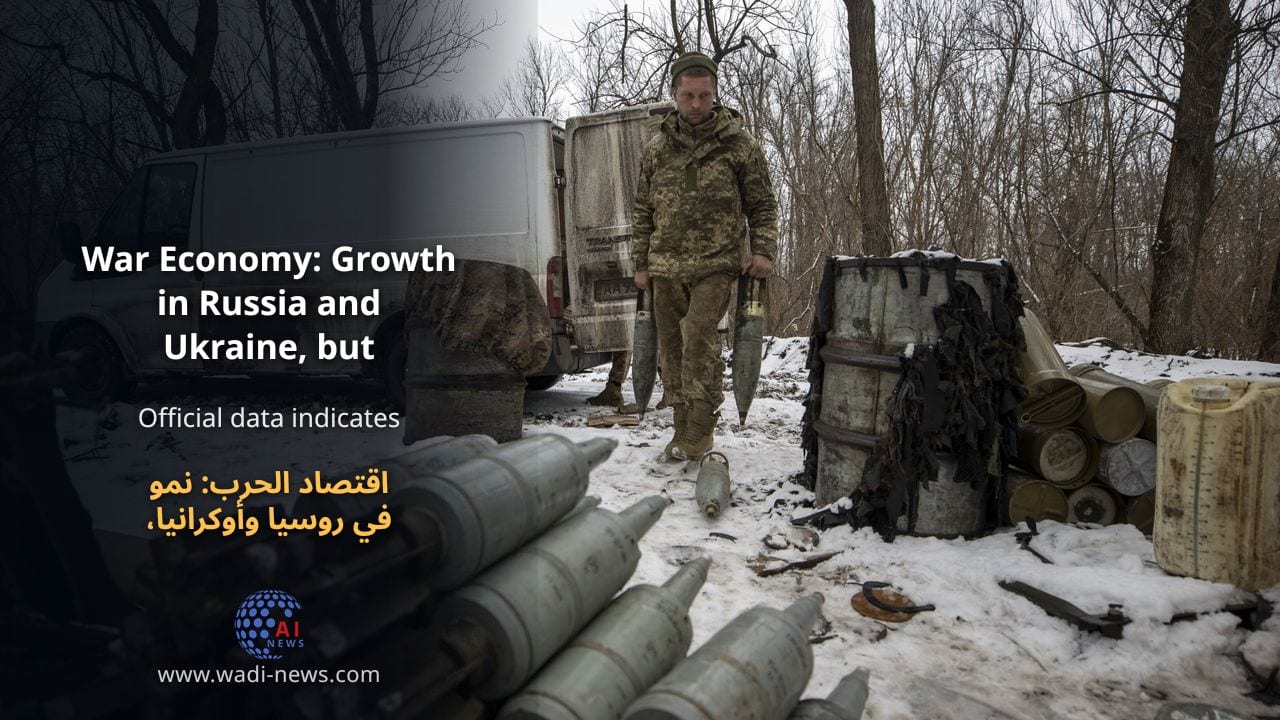
Recent official statistics reveal an unexpected trend of economic growth in both Russia and Ukraine amidst the ongoing war. This growth, however, does not tell the whole story. While the numbers might suggest a recovering economy, the reality for ordinary citizens is far less optimistic. High inflation rates and increasing interest on loans have created a challenging environment for the public. Many citizens are feeling the pinch as the cost of living continues to rise, making it difficult to afford basic necessities.
The conflict has not only affected the immediate economic landscape but has also led to a surge in national debt for both nations. As governments allocate more resources to military efforts, other sectors suffer from underfunding. This shift in priorities raises concerns about long-term stability and growth prospects. Experts warn that without significant reforms and investment in civilian sectors, the current growth may be unsustainable and could lead to further economic hardships.
Moreover, the inflation rates are a significant concern that complicates the situation. In Russia, the government is struggling to manage the economic ramifications of sanctions and the war's impact on trade. Citizens have reported that their purchasing power has diminished as prices soar, with essential goods becoming increasingly unaffordable. In Ukraine, the situation is equally dire, as the ongoing conflict disrupts supply chains and hampers economic activities.
In conclusion, while the statistics may paint a picture of growth, they fail to capture the struggles faced by everyday people in both Russia and Ukraine. The war economy may show numbers on paper, but the reality is one of hardship and uncertainty. As both nations navigate these challenging times, it remains to be seen how they will address the underlying issues that threaten the welfare of their citizens.