
Fun
Cairo Through the Lens of Cinema: A 90-Year Journey
The Egyptian cinema captures the transformations of Cairo over nine decades, reflecting the city's diverse political and economic phases.
Aug 17, 2026, 2:17 AM | 1-2 min read | By Wadi News Editorial Team
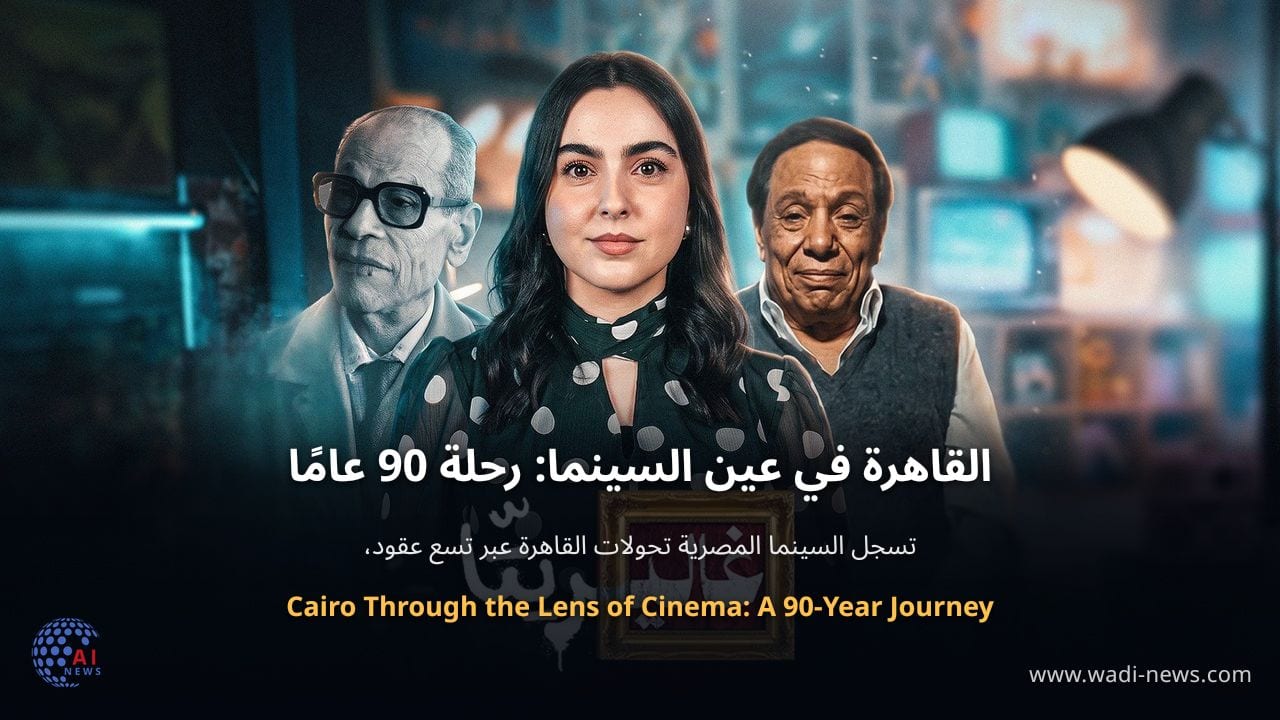
Egyptian cinema has long served as a mirror to the evolving landscape of Cairo, showcasing how the city has transformed over a span of 90 years. This journey begins with the first cinematic footage that offered a unique glimpse into the city’s architecture, culture, and daily life. From the glamorous days reminiscent of 'the Paris of the East' to the gritty realities of urban living, each film has documented the essence of Cairo, capturing its vibrancy and struggles.
The evolution of Cairo is not merely a backdrop for storytelling but is intricately woven into the narratives of countless films. Each decade brought forth new challenges and triumphs, reflected in the characters and stories portrayed on screen. The political upheavals, economic shifts, and social changes have all found their way into the cinematic lens, providing audiences with a rich tapestry of experiences that resonate with both locals and international viewers.
The significance of this cinematic journey lies in its ability to evoke nostalgia while also prompting critical discussions about the city’s future. As filmmakers continue to explore Cairo’s multifaceted identity, they invite viewers to engage with the ongoing dialogue about urban life, heritage, and modernity. The films serve not only as entertainment but also as educational tools that preserve the historical context of the city.
In conclusion, the cinematic portrayal of Cairo over the past 90 years highlights the dynamic interplay between film and reality. It showcases how cinema can influence public perception and foster a deeper understanding of a city's evolution. As we look back at these films, we are reminded of the power of storytelling in shaping our collective memory and future aspirations.