
Economy
First Chinese Container Ship Navigates the Arctic Silk Road to Europe
A Chinese container ship has embarked on a journey to Europe via the Northern Sea Route, bypassing the Middle East and the Suez Canal, raising environmental concerns.
Aug 16, 2026, 10:17 PM | 1-2 min read | By Wadi News Editorial Team
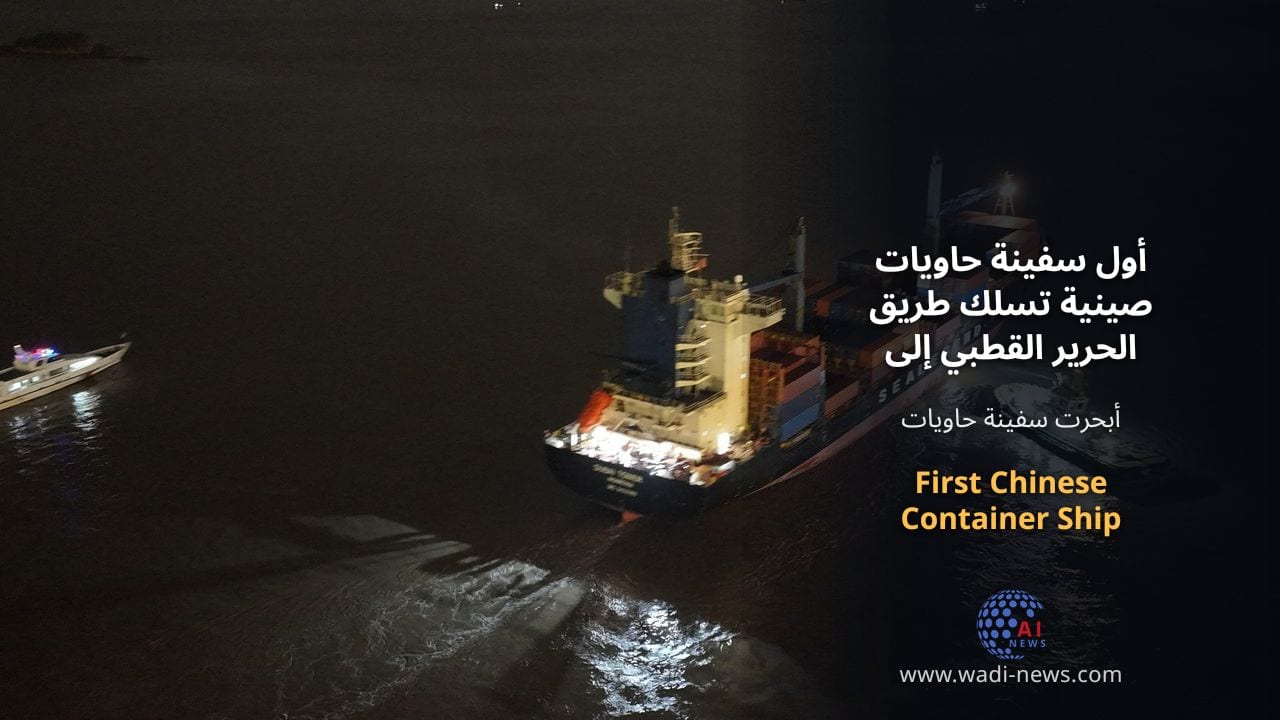
In a significant development in maritime trade, a Chinese container ship has successfully embarked on a voyage to Europe using the Northern Sea Route. This route, which traverses the Arctic region, allows the vessel to bypass traditional shipping lanes, including those through the Middle East and the Suez Canal. The decision to utilize this alternative pathway marks a pivotal moment in global shipping logistics, potentially reshaping trade dynamics between Asia and Europe.
The Northern Sea Route, which has gained prominence due to changing climatic conditions, presents both opportunities and challenges. While it shortens the distance between China and Europe, facilitating faster delivery times, it also raises pressing environmental concerns. Experts warn that increased shipping traffic in the fragile Arctic ecosystem could lead to significant ecological disruptions, affecting wildlife and indigenous communities.
As global temperatures continue to rise, the Arctic is becoming more navigable, prompting shipping companies to explore this route as a viable option. The Chinese shipping industry is keen to capitalize on this trend, aiming to enhance its competitiveness in the global market. However, the environmental implications of such a shift cannot be overlooked, as many stakeholders advocate for sustainable practices in maritime operations.
In conclusion, the journey of this first Chinese container ship through the Arctic Silk Road symbolizes a new chapter in international shipping. While it offers economic advantages and reduced transit times, it simultaneously raises critical questions about the environmental impact of increased maritime activity in the Arctic. As countries and companies navigate this new frontier, balancing economic interests with ecological preservation will be essential for the future of global trade.