
Economy
Iran's Government Proposes New Gasoline Distribution Scenarios
The head of Iran's Fuel Consumption Optimization Organization outlines three potential scenarios for gasoline distribution amid ongoing challenges.
Aug 16, 2026, 12:17 PM | 1-2 min read | By Wadi News Editorial Team
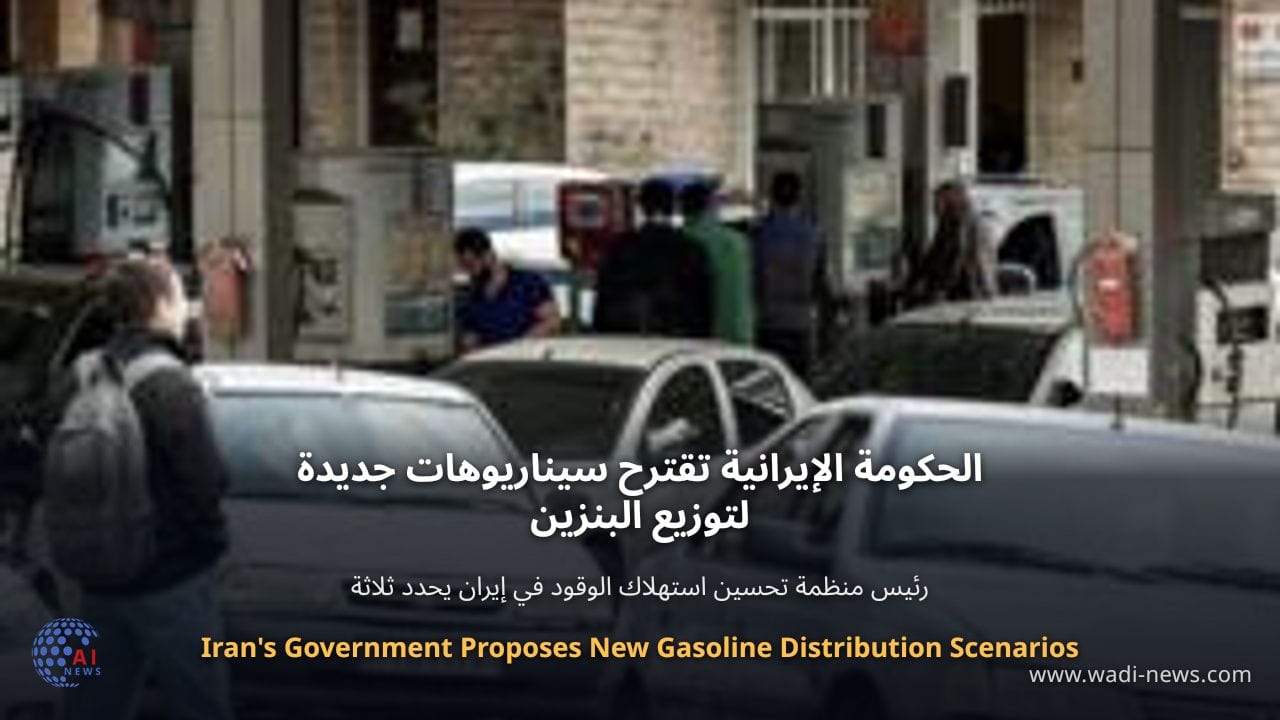
In light of the current economic climate described as 'war conditions' by officials, Iran's Fuel Consumption Optimization Organization has proposed three distinct scenarios for the distribution of gasoline. The head of the organization, Saqib Isfahani, emphasized that gasoline consumption must align with production levels. This statement comes as the country faces a daily gasoline production cap of 121 million liters, which has raised concerns about potential shortages. The first scenario suggests a complete halt to gasoline supply once production reaches its limit, effectively cutting off access to fuel for many.
The second scenario introduces a monthly gasoline quota of 30 liters per individual, aimed at managing consumption more effectively. This plan is intended to ensure that the limited gasoline supply is distributed fairly among the population. However, the implementation of new fuel distribution plans in regions such as Kerman has already faced criticism and logistical issues, leading to long queues at fuel stations.
Additionally, the Iranian government has been grappling with rising fuel demand, which has put further strain on the already limited resources. The proposed scenarios reflect a significant shift in policy as officials seek to navigate these challenging times while maintaining stability in fuel supply. The discussions around these scenarios have sparked debate among citizens, many of whom are concerned about the implications for their daily lives.
As the government moves forward with these proposals, it remains to be seen how they will impact the broader economy and the public's access to essential resources. The potential for fuel shortages looms large, and the effectiveness of these measures will be crucial in determining the future of fuel distribution in Iran.