
Economy
Exploring Alternatives to the Strait of Hormuz: Economic Insights
A recent analysis examines the Gulf states' ability to bypass the Strait of Hormuz, suggesting that while diversifying oil routes is feasible, complete avoidance of the strait faces geographical and infrastructural challenges.
Aug 16, 2026, 5:37 AM | 1-2 min read | By Wadi News Editorial Team
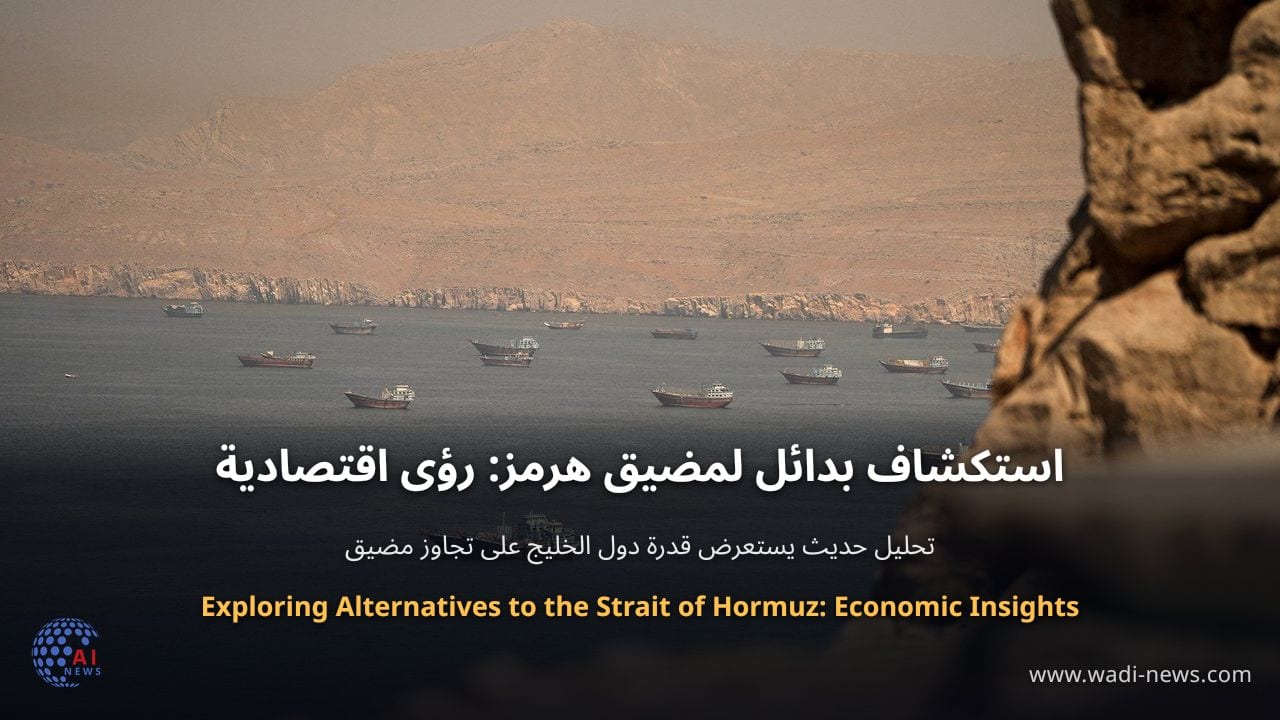
The Strait of Hormuz is a critical maritime chokepoint through which a significant percentage of the world's oil supply passes. In light of geopolitical tensions in the region, there has been growing interest in exploring alternative routes for oil transport. A recent episode of 'The Economic Informant' delves into the feasibility of such alternatives, particularly focusing on the capabilities of Gulf states.
The analysis reveals that while it is indeed possible to diversify oil transportation routes, completely bypassing the Strait of Hormuz presents numerous challenges. The geographical realities of the region impose significant limitations on the development of alternative pathways. For instance, the existing infrastructure is heavily reliant on the strait, making any substantial shift a complex and costly endeavor.
Additionally, the intricacies involved in liquefied natural gas exports further complicate the matter. The Gulf states have invested heavily in their energy sectors, and any move to alter established routes would require significant financial and logistical planning. The discussion highlights that while there are potential routes being considered, the practicality of these alternatives is still under scrutiny.
In conclusion, the findings underscore the importance of the Strait of Hormuz in global energy supply chains. Although there are discussions about possible diversifications, the immediate future will likely see continued reliance on this strategic waterway unless major infrastructural changes are made. The economic implications of this reliance on the strait are profound, affecting not only the Gulf states but also global markets at large.