
Tech
Can You Distinguish AI-Generated Faces?
Dr. Claire Sutherland, a psychologist, presents a challenge: can you tell the difference between a real person and an AI-generated face?
Aug 15, 2026, 11:37 AM | 3 min read | By Wadi News Editorial Team
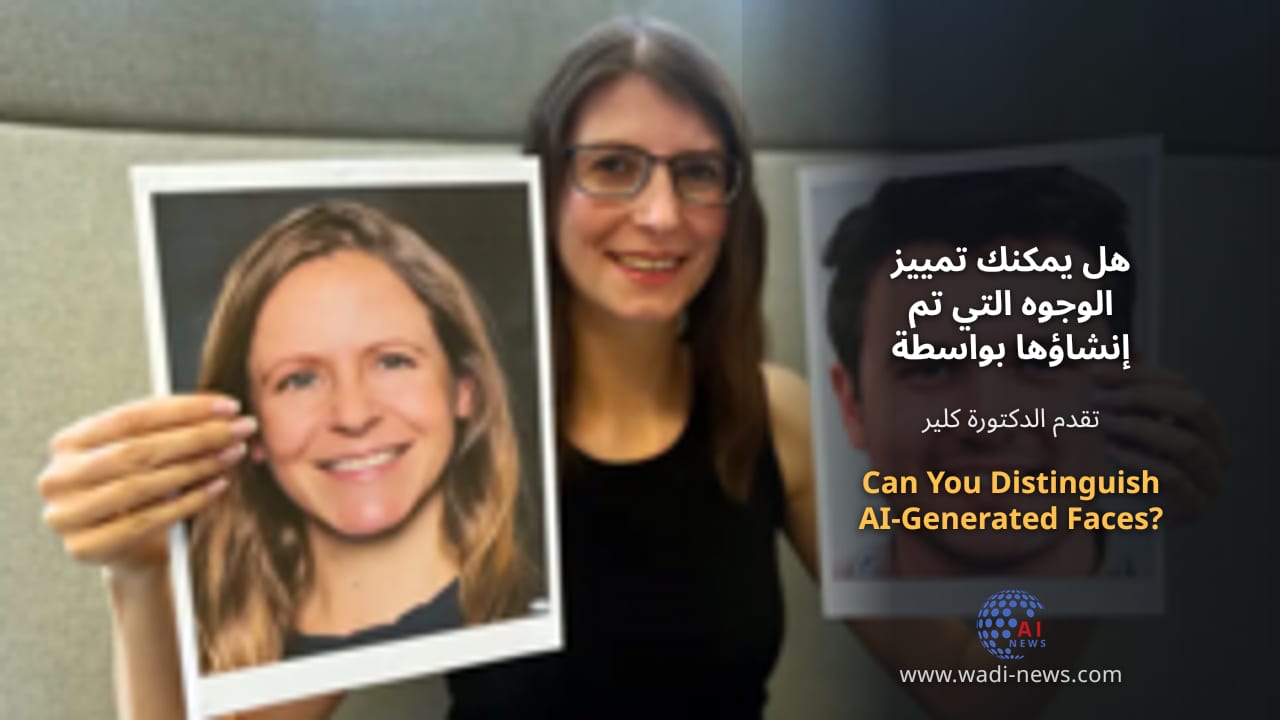
In a fascinating exploration of artificial intelligence's capabilities, Dr. Claire Sutherland, a psychologist from Australia, has taken to the forefront of a unique research project. This initiative focuses on the ability of individuals to differentiate between real human faces and those generated by AI technologies. During her presentation, she showcased two large photographs: one depicting a real academic researcher who leads an international study, and the other being a deepfake image, crafted by sophisticated algorithms.
The rise of AI-generated images has sparked significant debate about authenticity and trust in visual media. As technology continues to advance, the lines between real and artificial become increasingly blurred. Dr. Sutherland's research aims to assess not only the cognitive skills involved in recognizing these differences but also the psychological implications of such technology on society. With the prevalence of deepfakes in media, understanding how people perceive these images is crucial.
Participants in the study were asked to identify which of the two images was real and which was artificially created. Initial findings suggest that many individuals struggle to make this distinction, highlighting the effectiveness of AI in mimicking human features and expressions. As deepfake technology becomes more accessible, the potential for misuse raises ethical concerns, particularly in areas such as misinformation and identity theft.
Dr. Sutherland's work is not just about identifying faces; it serves as a gateway to broader discussions about the impact of AI in our daily lives. As society grapples with these emerging technologies, the importance of critical thinking and media literacy becomes paramount. The challenge lies not only in recognizing deepfakes but also in understanding their implications for trust and authenticity in the information we consume.
The Implications of AI in Modern Society

As artificial intelligence continues to evolve, its implications stretch far beyond mere entertainment or novelty. The capability of AI to create realistic images poses serious questions about the future of visual media. In an age where misinformation can spread rapidly, discerning real from fake is becoming increasingly vital. This research by Dr. Sutherland underscores the need for education around digital literacy and the tools necessary to navigate this complex landscape.
Moreover, as deepfakes are used in various sectors, including politics and entertainment, the potential for manipulation rises. This can lead to a distrust in media sources and a societal challenge in verifying information. Therefore, proactive measures are essential to educate the public on these technologies and their consequences. The responsibility lies with both educators and technologists to create frameworks that allow individuals to critically assess the content they encounter.