
Tech
Lagos Embraces Electric Vehicles Amid Rising Fuel Costs
As fuel prices in Nigeria surge, Lagos residents are increasingly opting for electric vehicles, signaling a shift in the transportation landscape despite significant hurdles.
Aug 14, 2026, 5:37 AM | 1-2 min read | By Wadi News Editorial Team
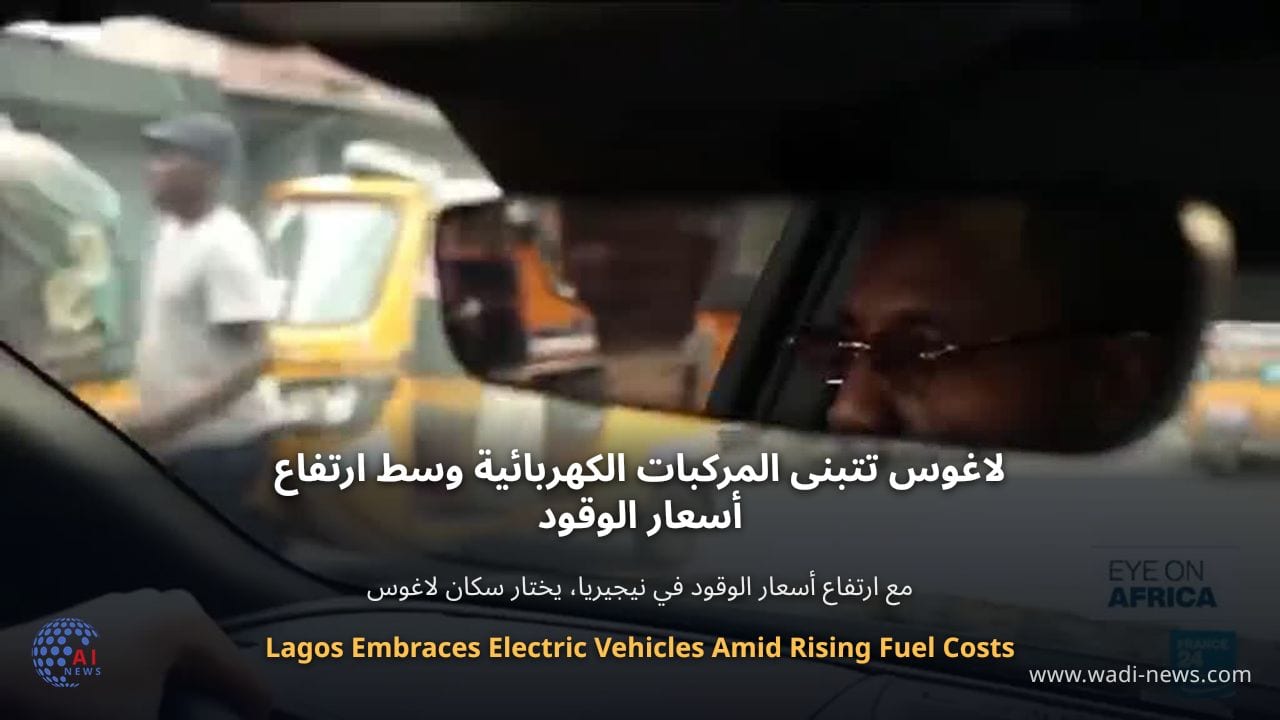
In the bustling city of Lagos, known for its notorious traffic congestion, a significant transformation is underway as residents begin to adopt electric vehicles (EVs) in response to soaring fuel prices. The shift towards electric mobility is not just a trend; it represents a crucial adaptation to the economic pressures faced by many motorists in Nigeria. As fuel costs continue to escalate, the allure of electric vehicles becomes increasingly appealing for those seeking to alleviate the financial burden associated with traditional fuel consumption.
Despite being Africa's largest oil producer, Nigeria is grappling with the challenges that come with transitioning to electric vehicles. Infrastructure, including charging stations and maintenance services, is still underdeveloped, making it difficult for potential EV owners to fully embrace this change. Furthermore, the initial cost of electric vehicles can be a significant barrier for many consumers, who may find the investment daunting compared to more affordable petrol-powered cars.
However, the growing interest in electric vehicles is a promising sign. Many Lagosians are now recognizing the long-term benefits of electric mobility, not only in terms of cost savings but also in reducing their carbon footprint. As the government continues to explore policies that support sustainable transportation, the hope is that more incentives will be introduced to encourage the adoption of EVs. This includes potential subsidies or tax breaks for electric vehicle purchases, which could make them more accessible to a wider population.
In conclusion, while the road to widespread electric vehicle adoption in Lagos is fraught with challenges, the increasing demand signals a significant shift in consumer behavior. As more residents turn to electric vehicles as a viable alternative to traditional fuel-powered cars, the landscape of transportation in Nigeria's largest city may be on the brink of a major transformation. With continued support and development, Lagos could become a leading example of sustainable urban mobility in Africa.