
Economy
Demand for Repayment of a 109-Year-Old Loan by a Family in Madhya Pradesh
A family in Sehore, Madhya Pradesh, claims they lent ₹35,000 to the British government during World War I and are now seeking repayment.
Aug 13, 2026, 2:17 PM | 1-2 min read | By Wadi News Editorial Team
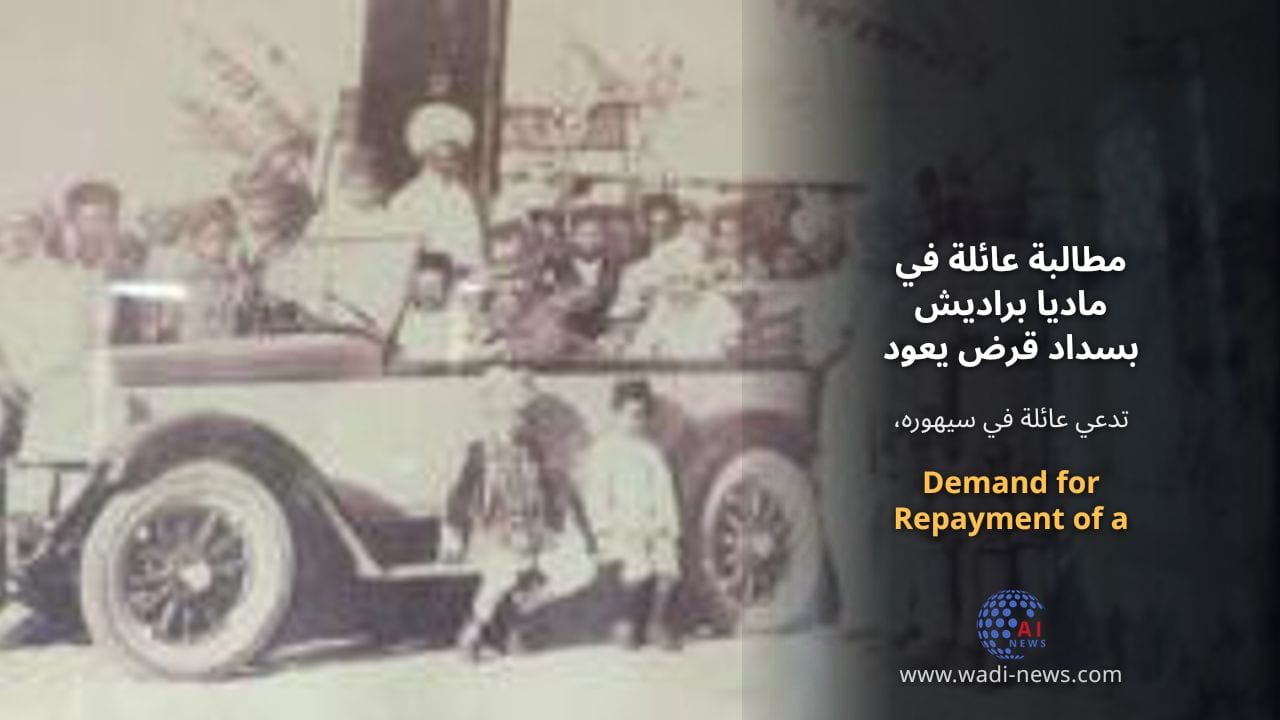
In an unusual turn of events, a family from Sehore, Madhya Pradesh, has stepped forward to reclaim a loan they provided to the British government over a century ago. The loan, amounting to ₹35,000, was given during the tumultuous times of World War I on June 4, 1917. The family, led by Jummalal Ruthia, possesses an ancient document that serves as proof of this transaction, which they believe warrants a repayment from the government. The historical context of this loan is significant, as many families across India contributed financially to support the British war efforts, often without fully understanding the implications of their contributions.
The Ruthia family has expressed their frustration and disappointment over the years, feeling that their contributions have been overlooked and unrecognized. They argue that the government should honor its financial obligations, regardless of the time elapsed. This demand for repayment is rooted not only in financial restitution but also in a sense of justice for the sacrifices made by families like theirs during a critical period in history. As they navigate the complexities of legal and bureaucratic processes, the family hopes to bring attention to their plight, shedding light on the broader issue of historical debts and their implications for present-day governance.
As discussions around reparations and historical debts gain traction globally, the Ruthia family's case highlights the need for a reevaluation of historical financial transactions and their repercussions. The local community has shown support for their cause, rallying around the idea that financial contributions made during the war should be acknowledged and repaid. This sentiment resonates with many who feel that historical injustices must be addressed in contemporary society.
In conclusion, the Ruthia family's demand for the repayment of a 109-year-old loan reflects a broader desire for acknowledgment and justice. As they continue their quest for repayment, they not only seek to rectify their own family's history but also aim to inspire a conversation about how governments address historical financial obligations. Their story serves as a reminder of the lasting impact of historical events on present-day lives, urging us to consider the responsibilities that come with past actions.