
Politics
The Legacy of Hitler and the Division of the World: Insights from Al-Dahiḥ
As Adolf Hitler faced his final moments in Berlin, the world was not preparing for peace but rather gearing up for a different kind of conflict. This episode of 'Al-Dahiḥ' explores the intricate dynamics among the Allies during the Yalta Conference and the legacy left by the Nazi regime.
Aug 13, 2026, 2:17 AM | 1-2 min read | By Wadi News Editorial Team
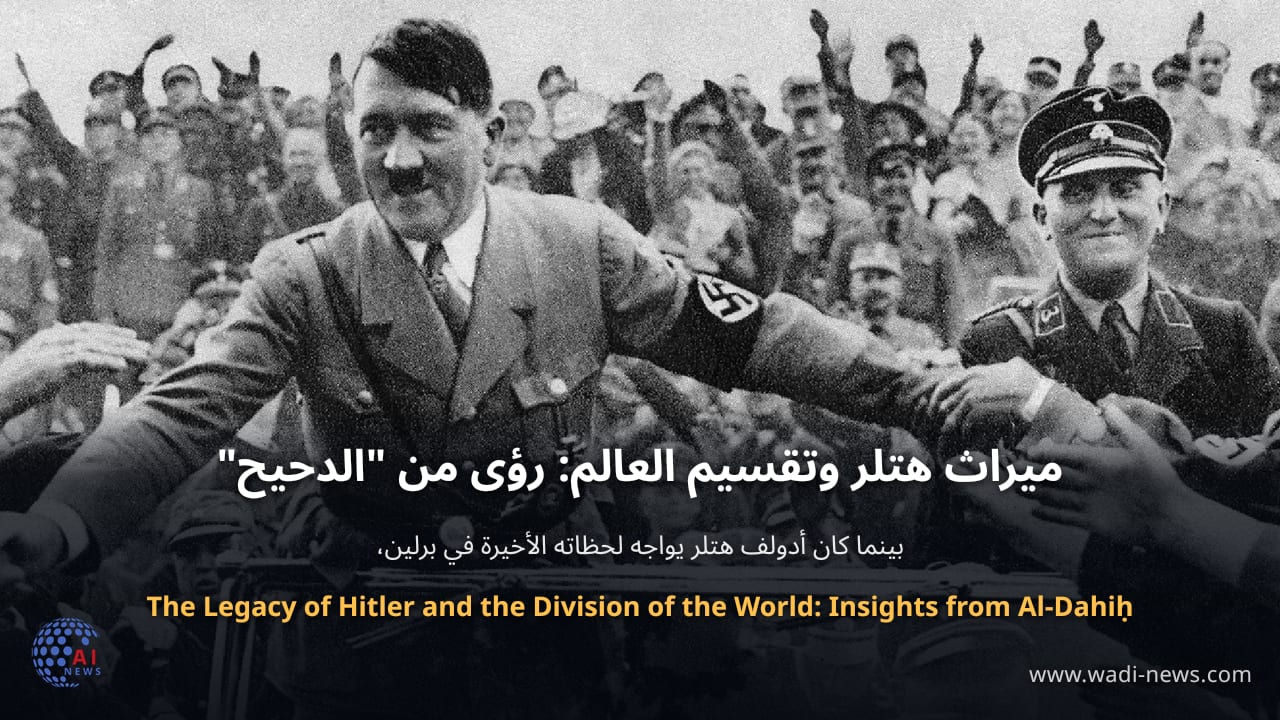
In the final stages of World War II, as Adolf Hitler's regime crumbled in Berlin, the geopolitical landscape was on the brink of transformation. The Yalta Conference, held in February 1945, became a pivotal moment where the leaders of the Allied powers—Winston Churchill, Franklin D. Roosevelt, and Joseph Stalin—gathered to discuss the post-war reorganization of Europe. This meeting was not just about ending the war; it was a strategic planning session for the future of the world. The decisions made at Yalta would lay the groundwork for the Cold War, affecting international relations for decades to come.
The discussions at Yalta highlighted the differing visions of the Allied leaders. Churchill aimed to preserve British imperial interests, while Roosevelt sought to promote democracy and self-determination. Stalin, representing the Soviet Union, aimed to expand his influence in Eastern Europe. This clash of ideologies set the stage for future conflicts, as each leader prioritized their national interests over collective peace. The agreements reached were filled with compromises that, while necessary at the time, sowed the seeds for future discord.
As the conference concluded, the world was left with a divided Europe. The Iron Curtain soon descended, separating the capitalist West from the communist East. The policies established during this period not only defined the political landscape of Europe but also influenced global relations, leading to proxy wars and a nuclear arms race. The legacy of Hitler, therefore, was not just the destruction he caused during the war but also the complex political realities that followed his downfall.
In retrospect, the Yalta Conference symbolizes a critical juncture in history where the Allies, despite their collaboration in defeating a common enemy, could not reconcile their fundamental differences. The historical analysis of these events reveals that the end of World War II was merely the beginning of a new chapter filled with tension and rivalry. The echoes of Yalta continue to resonate in today's geopolitical climate, reminding us of the fragile nature of peace and the enduring impact of historical decisions.