
Politics
After the Death Sentence in Damascus: What are the Chances of Pursuing Bashar al-Assad Abroad?
Recent death sentences against Bashar al-Assad and his associates have reignited discussions regarding international accountability and the complexities of legal action beyond Syrian borders.
Aug 11, 2026, 11:37 PM | 1-2 min read | By Wadi News Editorial Team
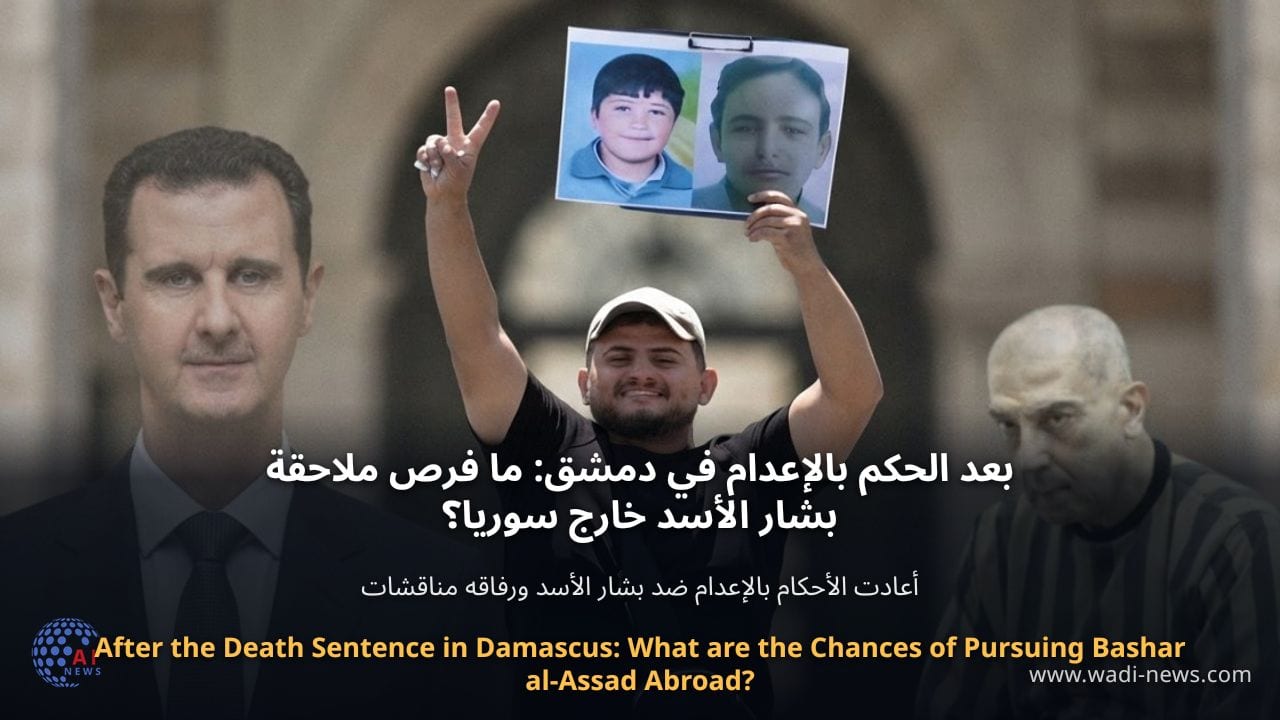
The recent court rulings in Damascus sentencing Bashar al-Assad, along with his brother Maher and cousin Atef Najib, to death have stirred significant debate about the prospect of holding them accountable internationally. This development raises critical questions about the nature of justice for the victims of the Syrian conflict and the feasibility of legal action against high-ranking officials who have been accused of severe human rights violations. The verdicts have not only a symbolic weight but also highlight the ongoing struggle for justice in a war-torn country.
International law experts have pointed out that pursuing Assad and his associates outside Syria will be fraught with challenges. The complexities of international law, including extradition treaties and the political dynamics between nations, can significantly hinder efforts to bring these individuals to justice. Moreover, countries that may harbor Assad or his associates could be reluctant to act, given the potential diplomatic repercussions and the risk of destabilizing their own political landscapes.
The international community has been grappling with the question of how to effectively hold leaders accountable for war crimes. While some nations have expressed support for pursuing legal action, others remain hesitant, fearing the implications of such moves. Human rights advocates argue that the international community must take a stand to ensure that justice is served, emphasizing the importance of establishing a precedent for accountability that could deter future atrocities.
In conclusion, while the death sentences issued in Damascus represent a significant step in the pursuit of justice for the victims of the Syrian conflict, the road ahead is complicated. The interplay of legal, political, and diplomatic factors will play a crucial role in determining whether Bashar al-Assad and his associates will face justice beyond the borders of Syria. The global community's response in the coming months will be critical in shaping the future of accountability for crimes committed during the Syrian civil war.