
Sports
FIFA Confederations Challenge Infantino's Leadership Over World Cup Rights
UEFA, CONCACAF, and AFC have expressed their discontent with FIFA President Gianni Infantino's actions regarding the potential sale of World Cup commercial rights, urging for a more accountable leadership.
Aug 11, 2026, 9:39 PM | 1-2 min read | By Wadi News Editorial Team
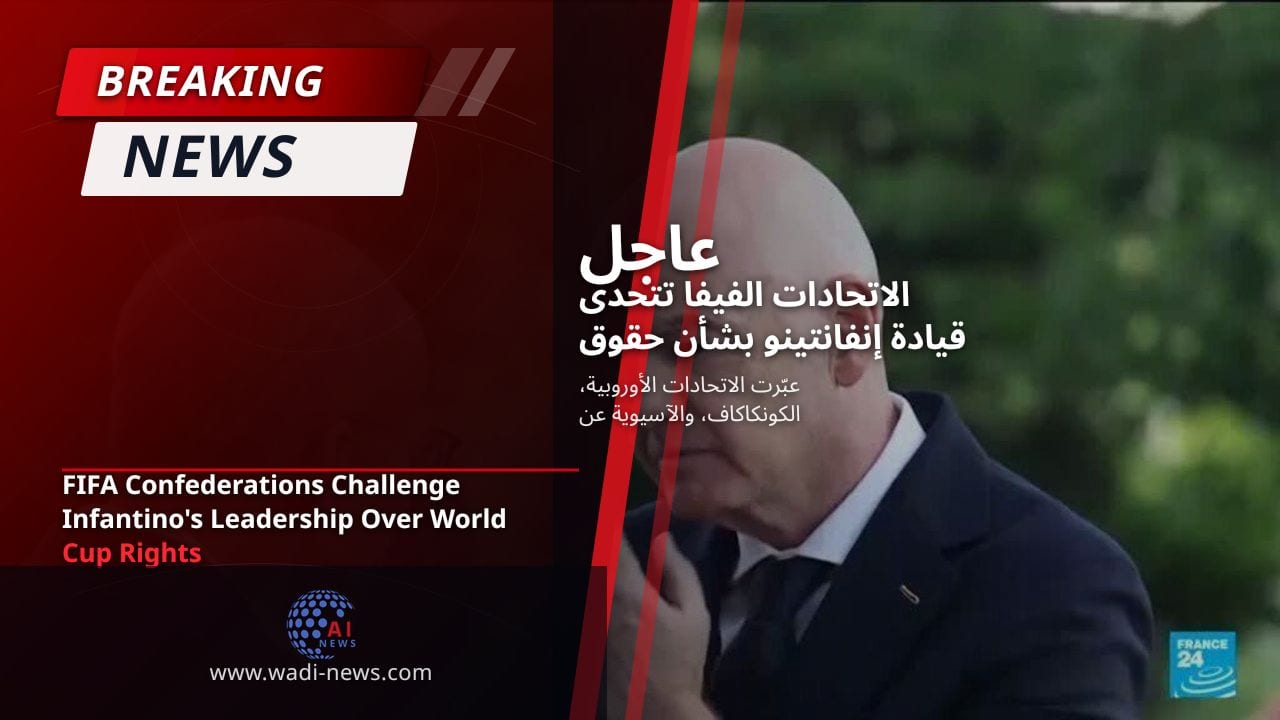
In a bold move, three major confederations under FIFA—UEFA, CONCACAF, and AFC—have united in an open letter addressed to the global football community. This letter, released on August 10, criticizes President Gianni Infantino for what they describe as a 'fundamental breach of trust'. The confederations are particularly concerned about Infantino's handling of the negotiations regarding the sale of a stake in the commercial rights associated with the World Cup. The letter emphasizes the need for leadership that prioritizes the integrity of the sport and its stakeholders.
The confederations argue that the proposed sale of World Cup commercial rights without proper consultation undermines the collaborative spirit that FIFA was founded upon. They assert that such actions could jeopardize the trust that players, clubs, and fans place in the organization. The open letter calls for a more transparent approach to governance, highlighting the importance of involving all stakeholders in significant decisions that affect the game.
As the football world watches closely, this unprecedented criticism from the confederations marks a pivotal moment in the governance of FIFA. The letter not only reflects the growing discontent among member associations but also raises questions about Infantino's leadership style and his commitment to the values of football. The confederations are advocating for a leadership that is responsive to the needs of the football family, emphasizing the necessity of trust and accountability.
In conclusion, the situation presents a significant challenge for Infantino, as he must address these serious allegations while maintaining the support of the confederations. The outcome of this conflict could have far-reaching implications for FIFA's future and the governance of international football. The call for responsible leadership may resonate beyond this incident, potentially shaping the direction of FIFA in the years to come.