
Politics
Trump Advocates for Reevaluation of School Vaccine Requirements
President Trump has issued an executive order suggesting a reassessment of vaccine mandates in schools, particularly focusing on the MMR vaccine.
Aug 11, 2026, 10:17 AM | 3 min read | By Wadi News Editorial Team
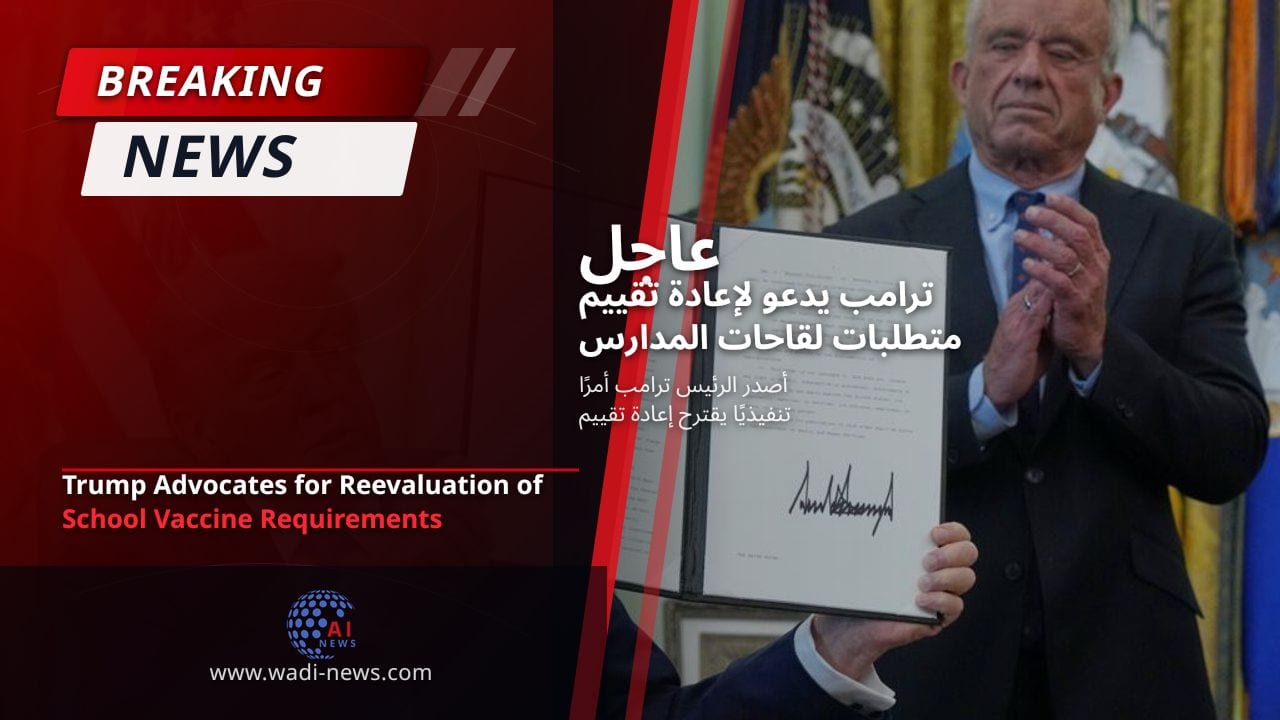
On August 10, 2026, President Donald Trump took significant action by signing an executive order that calls for a comprehensive reevaluation of vaccine mandates in educational institutions across the United States. This initiative particularly emphasizes the combined measles, mumps, and rubella (MMR) vaccine, which Trump has proposed to be separated into three individual vaccines. This move comes at a time when the nation is grappling with one of its most severe measles outbreaks in decades, raising concerns among health experts and the public alike.
The MMR vaccine has long been supported by scientific research, which asserts its safety and effectiveness in preventing these contagious diseases. However, Trump's recent directive appears to challenge the established consensus within the medical community. Critics argue that this approach could undermine public health efforts and exacerbate the current outbreak, which has been attributed to declining vaccination rates in certain regions.
In his announcement, Trump emphasized the importance of parental choice regarding vaccinations, asserting that parents should have the right to decide what is best for their children. This perspective resonates with a segment of the population that is skeptical about vaccine safety, despite overwhelming evidence supporting the benefits of immunization. The executive order aims to initiate discussions on the necessity and impact of vaccine mandates in schools, potentially leading to policy changes that could affect millions of students.
As the debate unfolds, health officials are urging the public to remain vigilant and prioritize vaccinations to control the spread of measles. The Centers for Disease Control and Prevention (CDC) continues to advocate for the MMR vaccine, highlighting its crucial role in maintaining herd immunity and protecting vulnerable populations. As the situation develops, it remains to be seen how this executive order will influence vaccination policies and public health strategies across the country.
Public Reaction to the Executive Order

The announcement of the executive order has sparked a variety of reactions from the public and health professionals. Many parents who are concerned about vaccination mandates view Trump's proposal as a victory for parental rights. They argue that parents should have the autonomy to make health decisions for their children without government interference. On the other hand, public health advocates are alarmed by the potential implications of this order on vaccination rates and community health.
Health organizations have expressed their worries about the risks of separating the MMR vaccine into three parts. Experts warn that this could lead to increased confusion among parents and potentially lower vaccination rates, which are crucial for preventing outbreaks of these diseases. As communities continue to experience the consequences of the current measles outbreak, the urgency for maintaining high vaccination coverage becomes even more apparent.
Furthermore, the timing of this executive order raises questions about its motivations, especially in light of upcoming elections. Some critics suggest that this move could be politically motivated, aiming to rally support from specific voter groups who are skeptical of vaccinations. As the debate intensifies, it remains critical for all stakeholders to engage in informed discussions about the benefits and risks associated with vaccines.
In conclusion, the public's response to Trump's executive order reflects a broader conversation about health autonomy, public safety, and the role of government in personal health decisions. Moving forward, it will be essential to monitor how this order affects vaccination policies and the overall health landscape in the United States.