
Economy
The Strategic Delay: Why the SDF Hasn't Announced Its Dissolution
The leadership of the Syrian Democratic Forces is cautious about announcing its dissolution, fearing the loss of a crucial negotiating card in the transitional phase.
Aug 11, 2026, 8:57 AM | 1-2 min read | By Wadi News Editorial Team
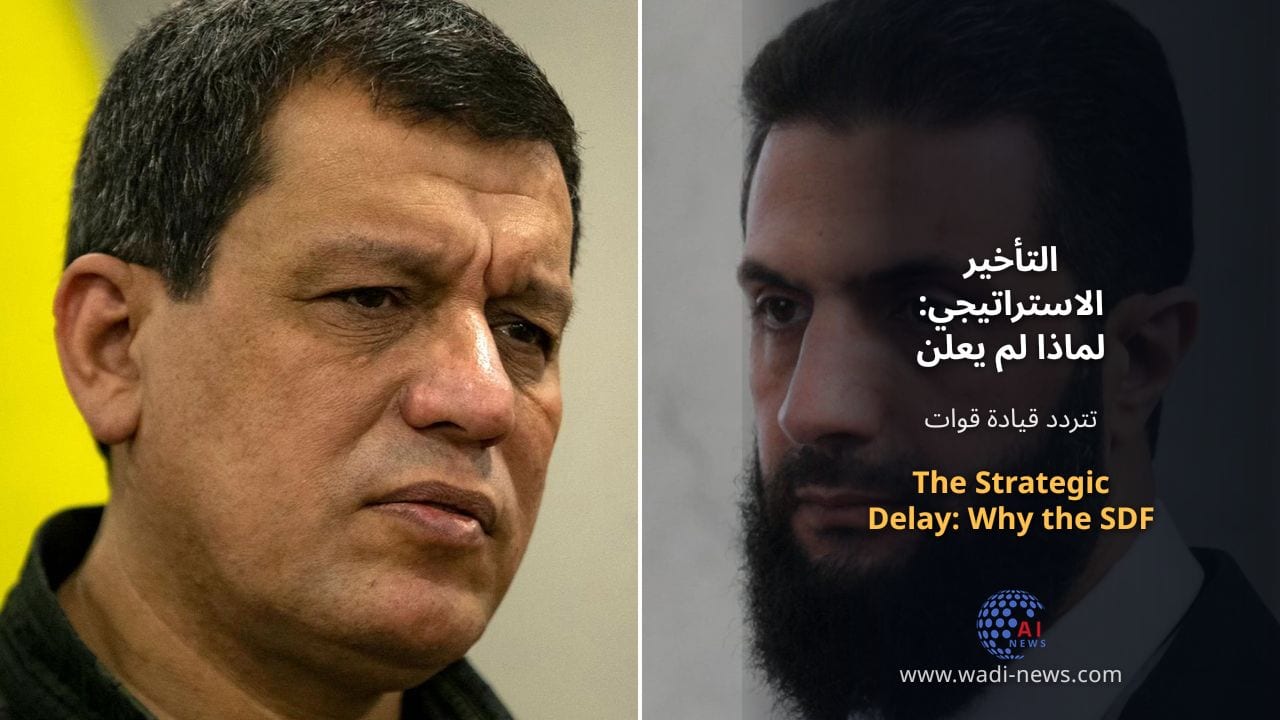
The Syrian Democratic Forces (SDF), a key player in the region, are currently at a crossroads. Their leadership appears reluctant to hasten the announcement of the organization's dissolution. This hesitation stems from a strategic consideration: the potential loss of a significant negotiating tool that could be vital in the ongoing transitional phase. As the political landscape evolves, every tactical advantage becomes crucial for the SDF, which has been navigating complex relationships with various stakeholders.
This cautious approach reflects the broader dynamics at play in the region. The SDF's leaders are acutely aware that rushing to dissolve the organization could undermine their position in future negotiations. By maintaining the status quo for the time being, they aim to preserve their influence and leverage in discussions about the future governance of the area. The SDF has already begun implementing agreements in a phased manner, suggesting a calculated strategy rather than a reactive one.
As the situation unfolds, the SDF's leadership is likely weighing the implications of their decisions carefully. The transitional phase they are entering is fraught with challenges, and any misstep could prove detrimental. Maintaining a degree of control over their narrative and existence allows them to negotiate from a position of strength, even as external pressures mount.
In conclusion, the reluctance of the SDF to announce its dissolution is indicative of a broader strategy aimed at preserving its negotiating power during a critical transitional period. As negotiations continue, the SDF's actions will be closely monitored, and their decisions could significantly influence the future stability of the region.