
Politics
The Political Consequences of Pedro Sanchez's Stance on the Ceuta Crisis
The article explores the ramifications of Spanish Prime Minister Pedro Sanchez's progressive approach during the Ceuta crisis and its implications on his political future.
Aug 6, 2026, 11:35 PM | 3 min read | By Wadi News Editorial Team
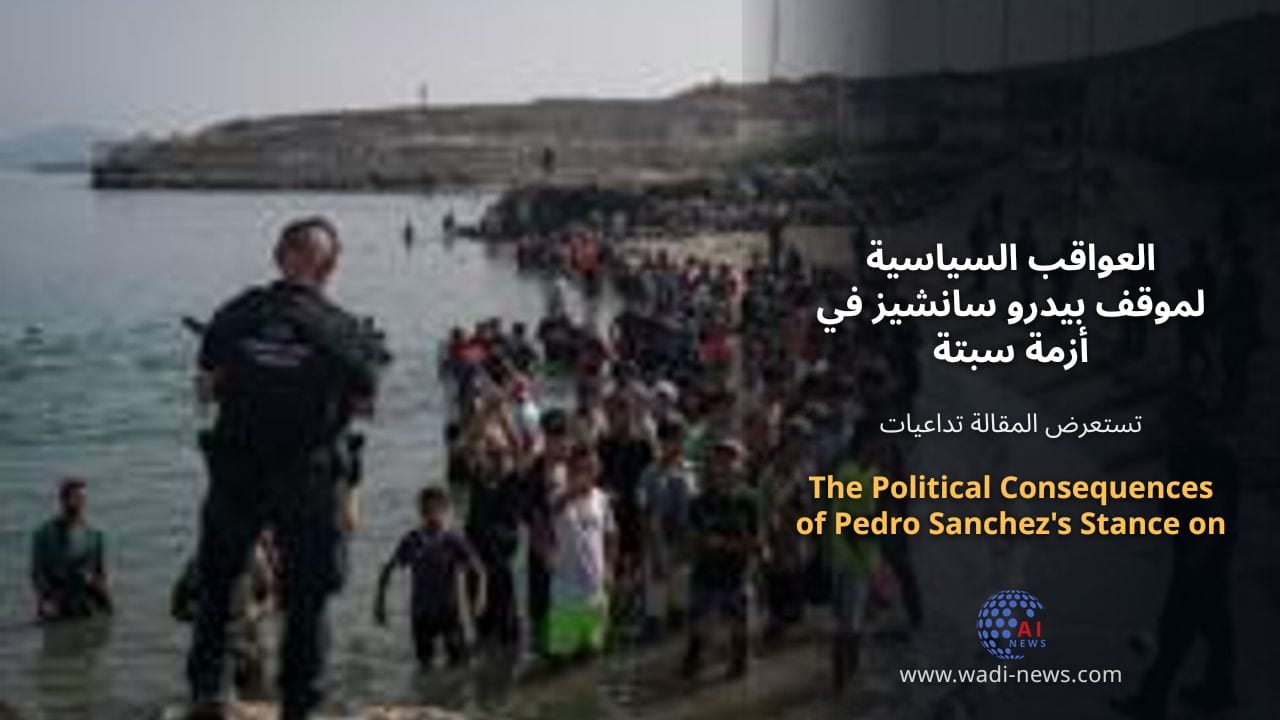
In recent months, Spanish Prime Minister Pedro Sanchez has found himself at the center of a political storm due to his handling of the Ceuta crisis. The influx of migrants into the Spanish enclave has raised questions about Spain's immigration policies and the broader implications for Sanchez's government. Critics argue that his approach, while progressive, may not resonate with the electorate in a time of rising nationalism across Europe. The situation in Ceuta has become a litmus test for Sanchez's leadership and his ability to navigate the complex landscape of European politics.
As the crisis unfolded, Sanchez's government faced increasing pressure from opposition parties who accused him of being too lenient towards migrants. This criticism was compounded by rising tensions between Spain and Morocco, as the latter was perceived to be tightening its border controls. The delicate balance Sanchez is trying to maintain between humanitarian obligations and domestic political pressures is a tightrope walk that many leaders have struggled with in recent years.
Moreover, the implications of Sanchez's decisions extend beyond Spain's borders. With European countries grappling with their own migration crises, there is a growing concern that Sanchez's progressive stance could lead to a backlash not only in Spain but also across the continent. The reactions from other European leaders and their policies towards migration will likely shape the future of Sanchez's political career.
In conclusion, as the situation in Ceuta continues to evolve, the eyes of Europe are on Pedro Sanchez. Will he be able to uphold his progressive ideals while simultaneously addressing the concerns of his constituents? The coming months will be crucial in determining not only the fate of his government but also the direction of European immigration policy as a whole.
The Role of Nationalism in European Politics

Nationalism has been on the rise throughout Europe, influencing political discourse and shaping the policies of various governments. In Spain, this trend has manifested in a growing skepticism towards immigration, particularly during crises like that in Ceuta. As leaders like Sanchez push for more progressive policies, they must contend with a populace that may feel threatened by an influx of migrants. This dynamic creates a complex interplay between humanitarian ideals and national interests, making it a critical issue for any government in the current climate.