
Tech
The Need for an International Space Traffic Control Agency
Astrophysicist Jonathan McDowell emphasizes the importance of establishing an international agency to manage space traffic as lunar activities increase.
Aug 6, 2026, 8:55 PM | 3 min read | By Wadi News Editorial Team
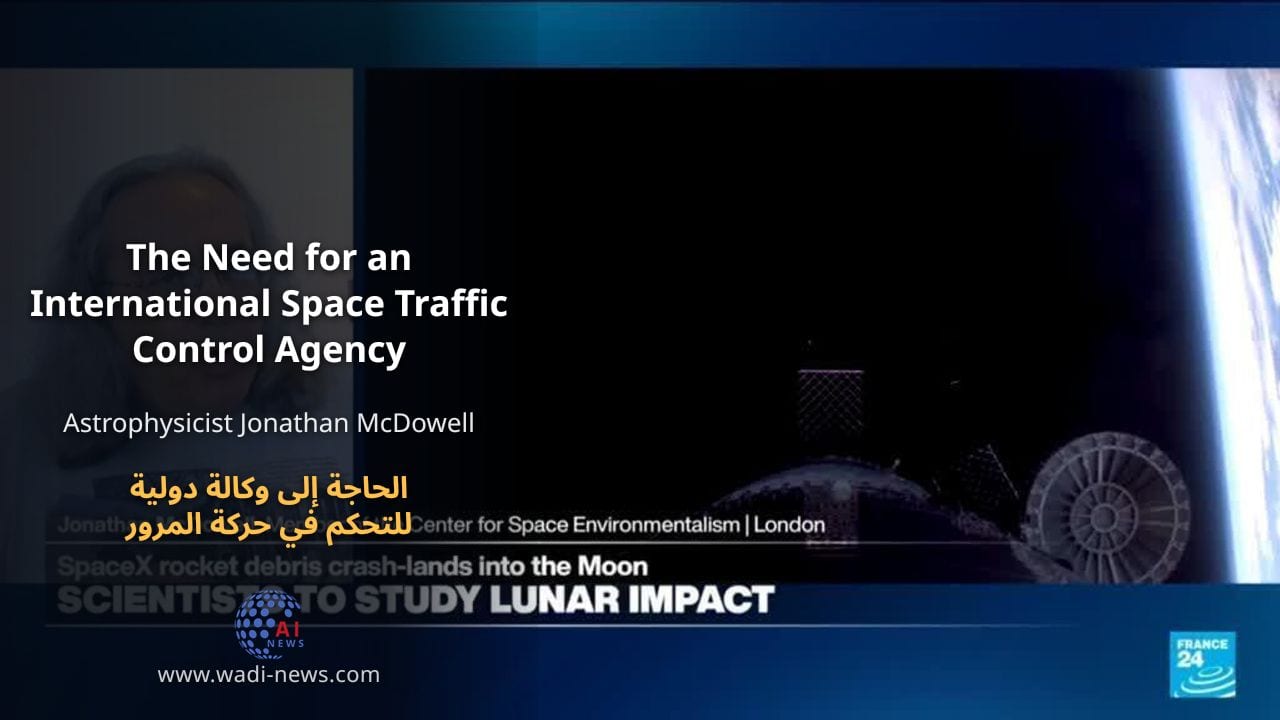
In a recent discussion, astrophysicist Jonathan McDowell from the Durham University Space Research Centre highlighted the urgent need for an international space traffic control agency. As humanity embarks on a new chapter of lunar exploration, the recent accidental impact of a four-ton SpaceX rocket stage on the Moon serves as a stark reminder of the challenges we face in managing our expanding presence in space. This incident not only underscores the risks associated with uncontrolled space debris but also raises fundamental questions about sustainability and international collaboration in space activities.
The collision, while not posing any immediate threat to Earth, illustrates the potential hazards that could arise from a lack of organized oversight in space. McDowell pointed out that as more nations and private entities engage in space exploration, the risk of accidents increases. He argues that without a dedicated agency to oversee space traffic, we could endanger astronauts, damage scientific equipment, and jeopardize the long-term prospects of lunar missions. The rapid pace of technological advancements in space travel necessitates a corresponding evolution in how we manage and regulate these activities.
McDowell further elaborates on the concept of sustainability in space, stressing that the current trajectory of space exploration must include a framework for responsible management. The notion of an international space traffic control agency is not merely about preventing collisions; it is about fostering a cooperative environment where all stakeholders can contribute to the safe and sustainable use of outer space. This call for international coordination is crucial as we move forward into an era characterized by increased lunar activity and potential human settlement.
In conclusion, as we continue to explore beyond our planet, the establishment of an international space traffic control agency becomes imperative. McDowell’s insights remind us that with the excitement of exploration comes the responsibility to manage our actions in space thoughtfully. The future of lunar exploration and beyond hinges on our ability to work together as a global community to ensure the safety and sustainability of our endeavors in the cosmos.
The Implications of Space Debris

Space debris poses a significant challenge to current and future space missions. As more objects are launched into orbit, the risk of collisions increases, which could have dire consequences for both manned and unmanned missions. McDowell emphasizes that the international community must take proactive steps to mitigate these risks, such as establishing guidelines for space debris management and implementing tracking systems to monitor space traffic effectively.