
Economy
Silicon Valley Unveils the Future of Humanoid Robots
Humanoid robots, once a concept of science fiction, are now at the forefront of technological innovation in Silicon Valley.
Aug 5, 2026, 10:55 PM | 1-2 min read | By Wadi News Editorial Team
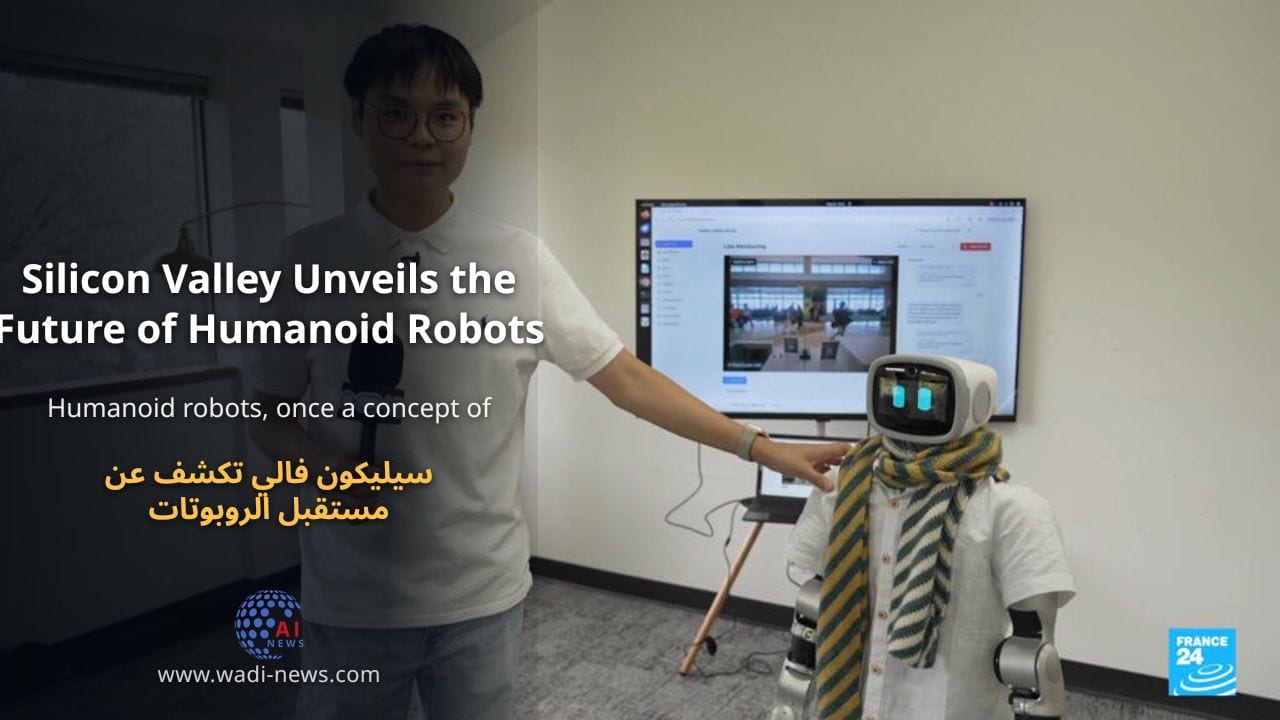
The landscape of robotics is rapidly evolving, particularly in Silicon Valley, where humanoid robots are taking center stage. For years, these machines were relegated to the pages of science fiction novels, but now they represent a booming industry that is poised to redefine how we interact with technology. According to a recent report from McKinsey, by the year 2030, automation could potentially revolutionize up to 30 percent of the hours worked across the United States. This prediction highlights a significant shift in the workforce, as more companies invest in the development of robots capable of performing tasks traditionally handled by humans.
In recent demonstrations, several companies showcased their latest humanoid robots, designed not only to assist with mundane chores but also to engage in meaningful interactions with people. These robots are engineered with advanced sensors and artificial intelligence, allowing them to understand and respond to human emotions and commands. This innovation signifies a leap forward in creating machines that can seamlessly integrate into our daily lives, providing support in various settings, from homes to workplaces.
The implications of these developments are vast. As humanoid robots become more prevalent, they could alleviate labor shortages in certain sectors, enhance productivity, and even provide companionship to those in need. For instance, in elder care facilities, robots may assist staff by performing routine tasks, thus allowing human caregivers to focus on more personal interactions with residents. This could lead to improved quality of care and a better overall experience for patients.
However, the rise of humanoid robots also raises important questions about the future of work and the ethical considerations surrounding automation. As machines become capable of taking on more responsibilities, there is a growing concern about job displacement and the need for retraining workers. Policymakers and industry leaders must work together to address these challenges, ensuring that the transition to a more automated society is beneficial for all. The era of humanoid robots is just beginning, and its impact will undoubtedly shape the future of our economy and society as a whole.