
Politics
Ceuta: A Crucial Test for Europe's New Asylum Pact
The recent surge in border crossings into the Spanish enclave of Ceuta has prompted a unified response from the EU, praising Spain's efforts and emphasizing the need to strengthen Frontex and combat human trafficking.
Aug 5, 2026, 4:15 AM | 1-2 min read | By Wadi News Editorial Team
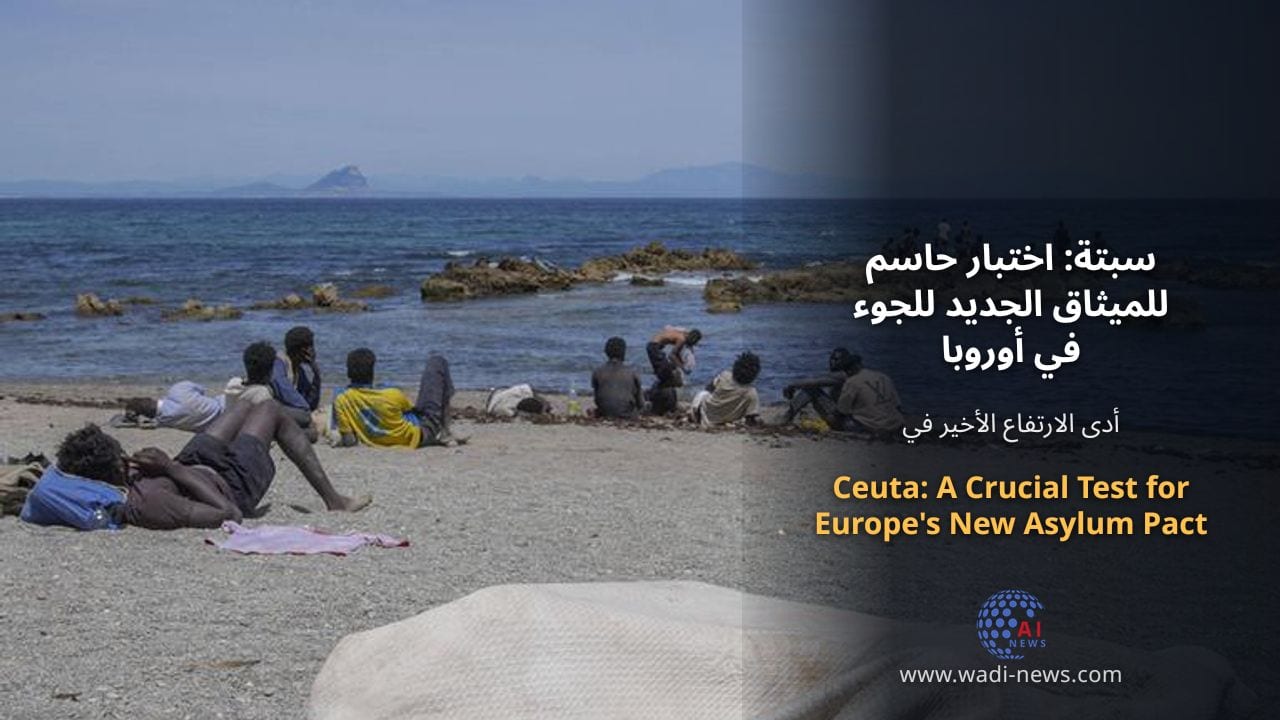
In light of the recent influx of migrants entering Ceuta, a Spanish enclave in North Africa, the European Union has showcased its solidarity in addressing the challenges posed by migration. This event has highlighted the necessity for a cohesive approach among member states in managing asylum applications and border security. Spain has received commendations for its handling of the situation, recognizing its efforts to maintain order and assist those in need. The EU's response has included plans to bolster the European Border and Coast Guard Agency, known as Frontex, which is pivotal in managing the external borders of the EU.
The surge in crossings has raised questions about the effectiveness of the current asylum policies and the need for reform. Member states are urged to collaborate more closely to ensure that the rights of migrants are protected while also maintaining the integrity of the EU's external borders. The situation in Ceuta serves as a reminder of the ongoing challenges faced by Europe in dealing with migration and the complexities involved in formulating a unified response. As discussions continue, some contentious issues remain unresolved, posing potential obstacles to the implementation of the new asylum pact.
Critics argue that while the EU has taken steps to address the immediate crisis, there is still much work to be done in terms of creating a fair and efficient asylum process. The focus on strengthening Frontex and increasing efforts to combat human trafficking is seen as a positive development, but it must be accompanied by measures that ensure the humane treatment of migrants. The EU's commitment to solidarity and cooperation will be tested in the coming months as it navigates these intricate issues.
Ultimately, the situation in Ceuta is not just a local issue but a reflection of broader trends in migration across Europe. The EU must strike a balance between security and humanitarian obligations, ensuring that its policies do not compromise the dignity of those seeking refuge. As the new asylum pact is put into action, the lessons learned from Ceuta will be crucial in shaping future policies and responses to migration challenges.