
Economy
Legal Challenge Against New Tariffs by 25 US States
A coalition of 25 US states has filed a lawsuit against the Trump administration, claiming the imposition of new tariffs exceeds presidential authority.
Aug 4, 2026, 1:35 PM | 1-2 min read | By Wadi News Editorial Team
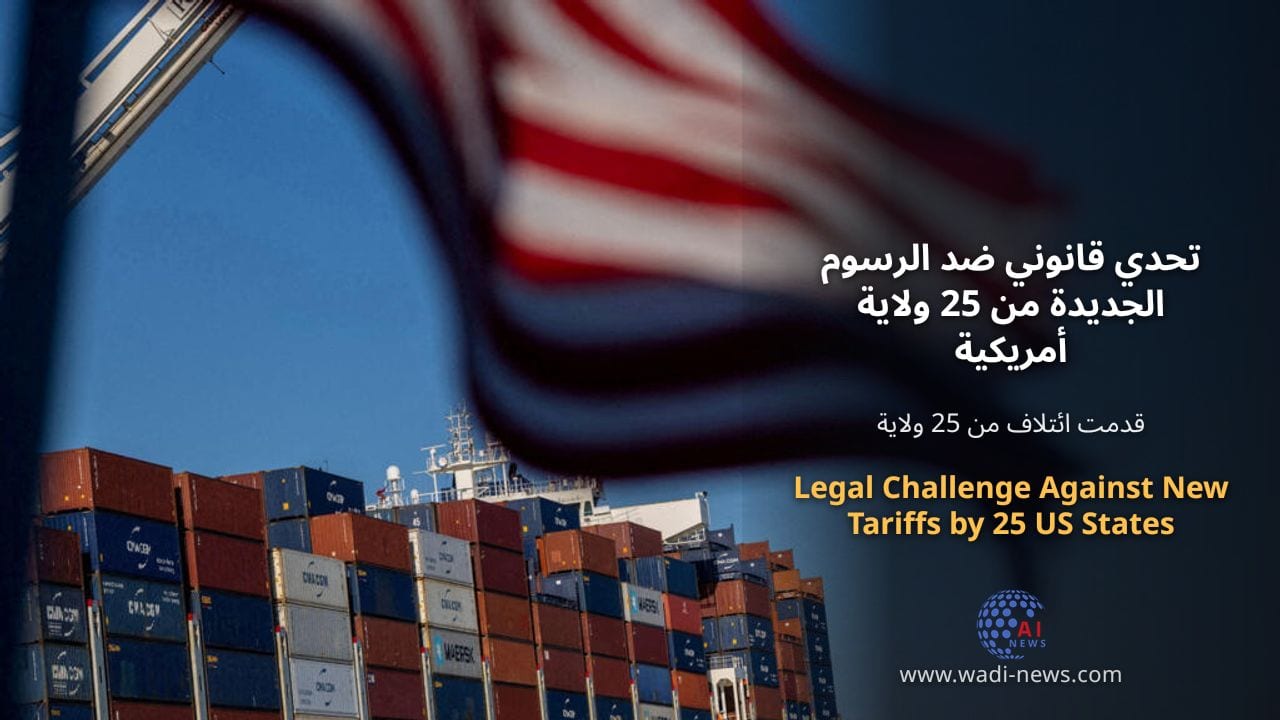
In a significant legal move, a coalition of 25 states in the United States has initiated a lawsuit against the Trump administration, challenging the legality of new tariffs imposed on various trading partners. The states argue that the president has overstepped his legal boundaries by implementing these tariffs under the pretext of addressing forced labor issues. This lawsuit seeks to halt the enforcement of these tariffs and demands refunds for importers who have already been affected by the new measures.
The tariffs in question have raised concerns among businesses and lawmakers alike, as they could potentially disrupt trade relationships and lead to increased prices for consumers. The coalition of states contends that the president's actions not only violate established legal norms but also threaten the economic stability of the regions represented in the lawsuit. By framing the tariffs as a means to combat forced labor, the administration is accused of misusing its authority to impose broad economic penalties that could harm American businesses.
Legal experts suggest that the outcome of this lawsuit could have far-reaching implications for trade policy in the United States. If the court rules in favor of the states, it could set a precedent limiting the president's power to impose tariffs without congressional approval. This case highlights the ongoing tension between federal and state authority, particularly in matters of economic policy and trade regulation.
As the lawsuit unfolds, it will be closely monitored by industry stakeholders and political analysts. The implications of the court's decision will extend beyond the immediate financial impact on importers, potentially reshaping how tariffs are applied in the future. The coalition hopes that their legal action will not only provide relief to affected businesses but also reinforce the importance of adherence to legal frameworks governing trade and commerce in the United States.