
Economy
Dry Danube River Poses Risks to Nuclear Energy in Romania and Hungary
The Danube River's low water levels are significantly affecting nuclear power generation in both Romania and Hungary.
Aug 4, 2026, 6:55 AM | 3 min read | By Wadi News Editorial Team
The severe drought affecting the Danube River is causing alarming disruptions to nuclear power operations in Romania and Hungary. The Paks nuclear power plant in Hungary has been forced to operate at a mere 10% of its capacity due to insufficient cooling water from the river. This situation raises concerns not only for energy production but also for energy security in the region, where the reliance on nuclear energy is significant.
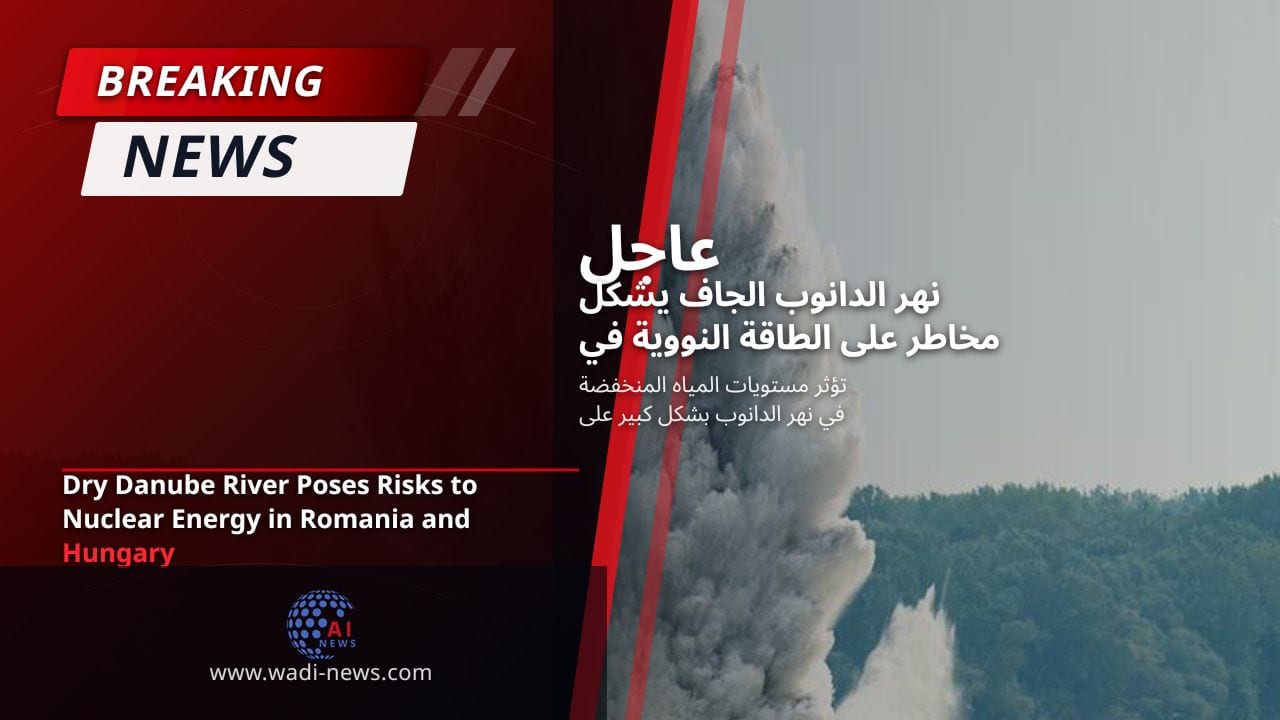
In response to the dwindling water levels affecting the Cernavoda nuclear facility in Romania, the military took drastic measures by demolishing a rock outcrop. This initiative aims to enhance the water flow towards the plant, which is crucial for its cooling processes. The Cernavoda facility plays an essential role in Romania's energy landscape, and any disruption can have widespread implications for the country's electricity supply.
Both countries are now facing the challenge of balancing the urgent need for energy with the environmental realities posed by climate change. The low water levels in the Danube not only threaten nuclear power generation but also impact various sectors that depend on this vital waterway. The situation calls for immediate attention and strategic planning to mitigate the impacts on energy production and ensure stability in the energy sector.
As the drought continues, authorities in both Romania and Hungary are urged to explore alternative solutions and long-term strategies to address the ongoing water scarcity. The collaboration between governmental bodies and energy providers will be critical in navigating this crisis, ensuring that the energy needs of citizens are met while taking into account the environmental factors at play.
Impacts of Climate Change

The ongoing drought in the Danube region highlights the wider implications of climate change on energy resources. As temperatures rise and precipitation patterns shift, reliance on water bodies for cooling in nuclear facilities may become increasingly precarious. This situation underscores the need for energy infrastructures to adapt to changing climatic conditions.