
Economy
Hungary Faces Energy Crisis as Heatwaves Deplete Danube River
Hungary has announced the unprecedented shutdown of its sole nuclear power plant due to critically low water levels in the Danube River, a direct consequence of extreme heat and prolonged drought affecting Europe.
Aug 2, 2026, 9:36 PM | 1-2 min read | By Wadi News Editorial Team
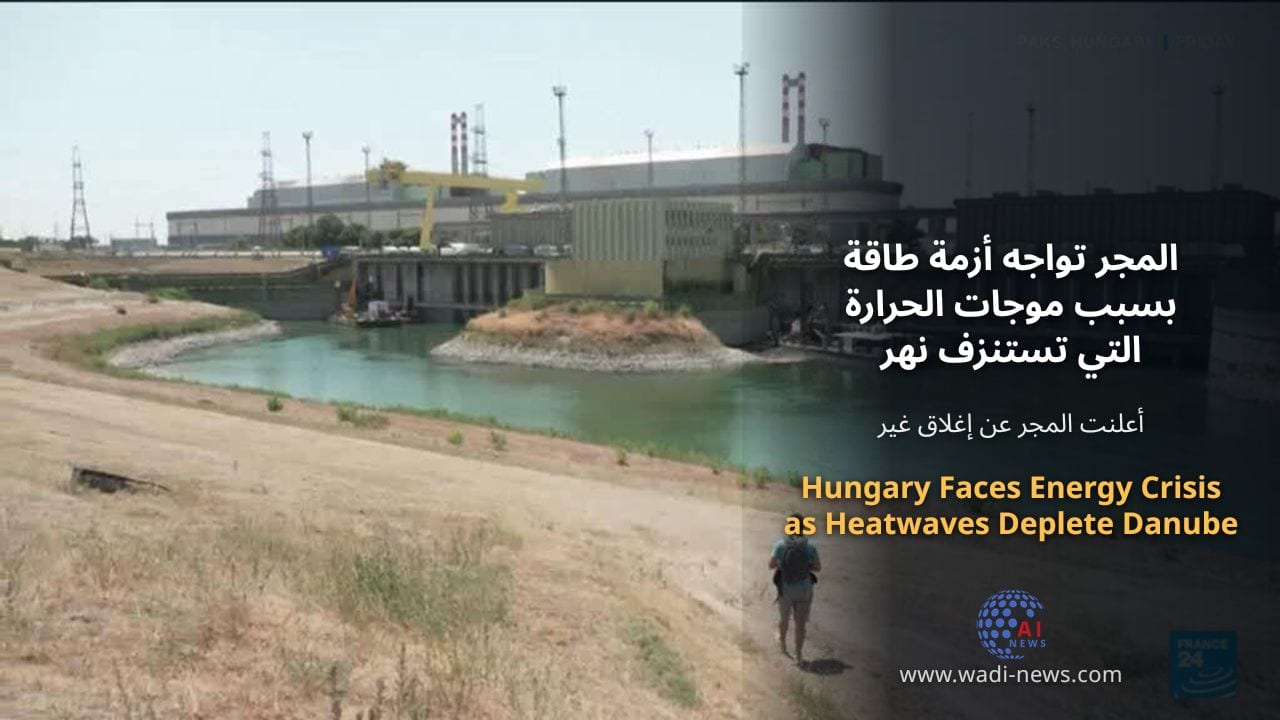
Hungary is currently grappling with an unprecedented energy crisis, having to shut down its only nuclear power plant for the first time in history. This drastic measure comes as a result of the Danube River, which is essential for cooling the plant, reaching critically low water levels due to successive heatwaves and prolonged drought conditions affecting large parts of Europe. The situation has raised significant concerns about the country’s energy security and its reliance on nuclear power amidst changing climate patterns.
The Danube River, one of Europe's major waterways, has been severely impacted by the ongoing climate crisis, with water levels now at record lows. This depletion poses a threat not only to the nuclear facility but also to the broader ecosystem and water supply for surrounding communities. Experts warn that if these extreme weather patterns continue, Hungary may face further energy shortages and increased reliance on fossil fuels, which could have detrimental effects on the environment.
Officials have expressed their concerns regarding the implications of the shutdown, emphasizing the need for immediate action to address the energy shortfall. The Hungarian government is exploring alternative solutions, including increasing energy imports and investing in renewable energy sources to mitigate the impacts of this crisis. However, the transition to alternative energy sources will take time, and the urgency of the current situation requires immediate and effective measures.
As Hungary navigates this challenging landscape, the situation serves as a stark reminder of the vulnerabilities that countries face in the face of climate change. The ongoing heatwaves not only threaten energy production but also highlight the urgent need for climate resilience strategies that can help mitigate the effects of extreme weather events in the future. The country’s experience may serve as a case study for other nations grappling with similar challenges as they seek to secure their energy futures in a warming world.