
Politics
Italy's Suspension of Schengen: A Threat to European Tourism?
Italy's recent suspension of Schengen agreements with Spain raises concerns about the impact on European tourism amid ongoing border security challenges.
Aug 2, 2026, 4:15 PM | 1-2 min read | By Wadi News Editorial Team
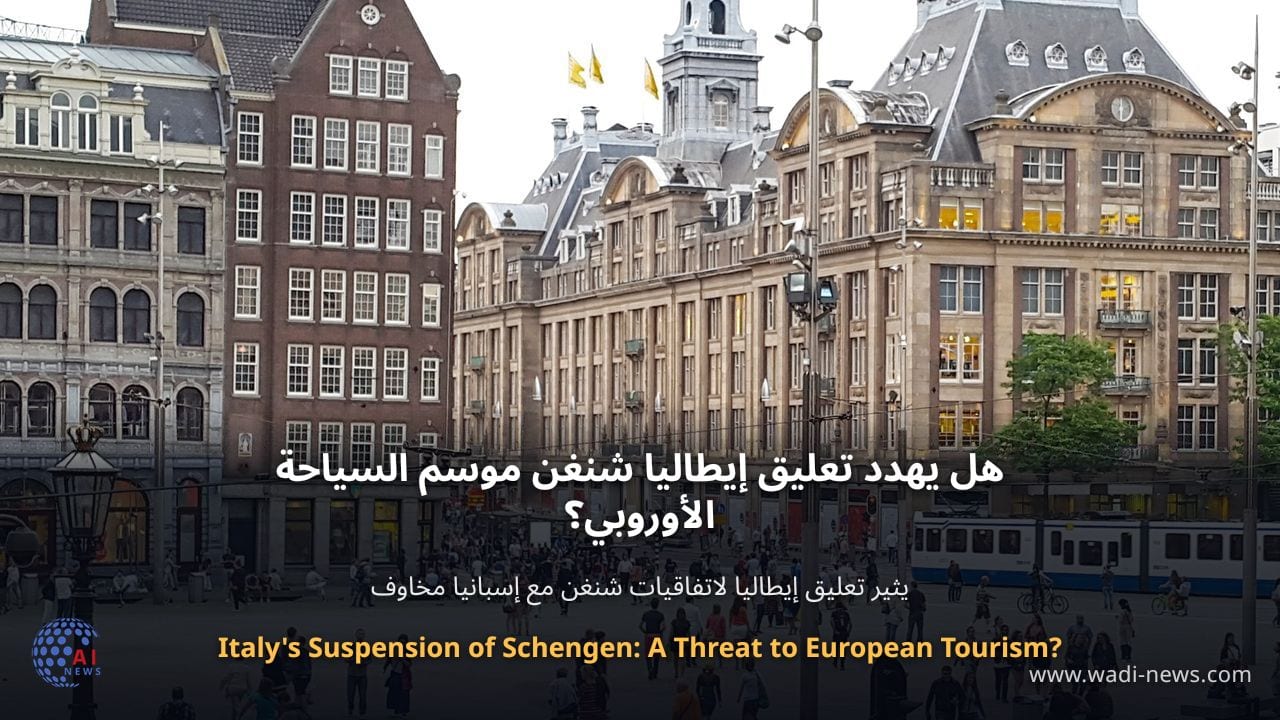
The recent move by Italy to suspend Schengen agreements with Spain has sparked a wave of concerns regarding the future of European tourism. This decision comes amid a backdrop of heightened border security issues, particularly in light of the ongoing crisis in Ceuta. Experts are warning that if these restrictions persist, they may lead to increased travel costs, which could ultimately discourage tourists and affect the tourism sector as a whole.
As Europe grapples with the balance between maintaining secure borders and ensuring the freedom of movement, the implications of Italy's decision could be significant. The Schengen Area, which allows for passport-free travel between member countries, has been a cornerstone of European integration and tourism for decades. Any disruption to this system could have far-reaching consequences not just for Italy and Spain, but for the entire continent.
The initial effects of these measures may seem limited, but experts caution that a prolonged suspension could erode traveler confidence. Tourists may hesitate to book trips to regions perceived as having stricter border controls, potentially leading to a decline in visitor numbers. This could be particularly detrimental during peak travel seasons when tourism is vital for local economies.
In conclusion, while the current situation may not seem dire, the long-term effects of Italy's actions could pose a serious threat to the European tourism industry. Stakeholders must consider the potential ramifications and seek solutions that balance security needs with the necessity of keeping borders open for travelers. As the situation evolves, the focus will remain on how European nations can collaboratively address these pressing challenges without compromising the essence of free movement that defines the Schengen Area.