
Economy
Exxon and Chevron Warn of Continued Fuel Price Hikes Due to Iran War
Exxon Mobil and Chevron have issued warnings about the ongoing diesel supply shortages, predicting sustained high prices in the latter half of the year due to the impacts of the conflict with Iran.
Aug 1, 2026, 6:55 PM | 1-2 min read | By Wadi News Editorial Team
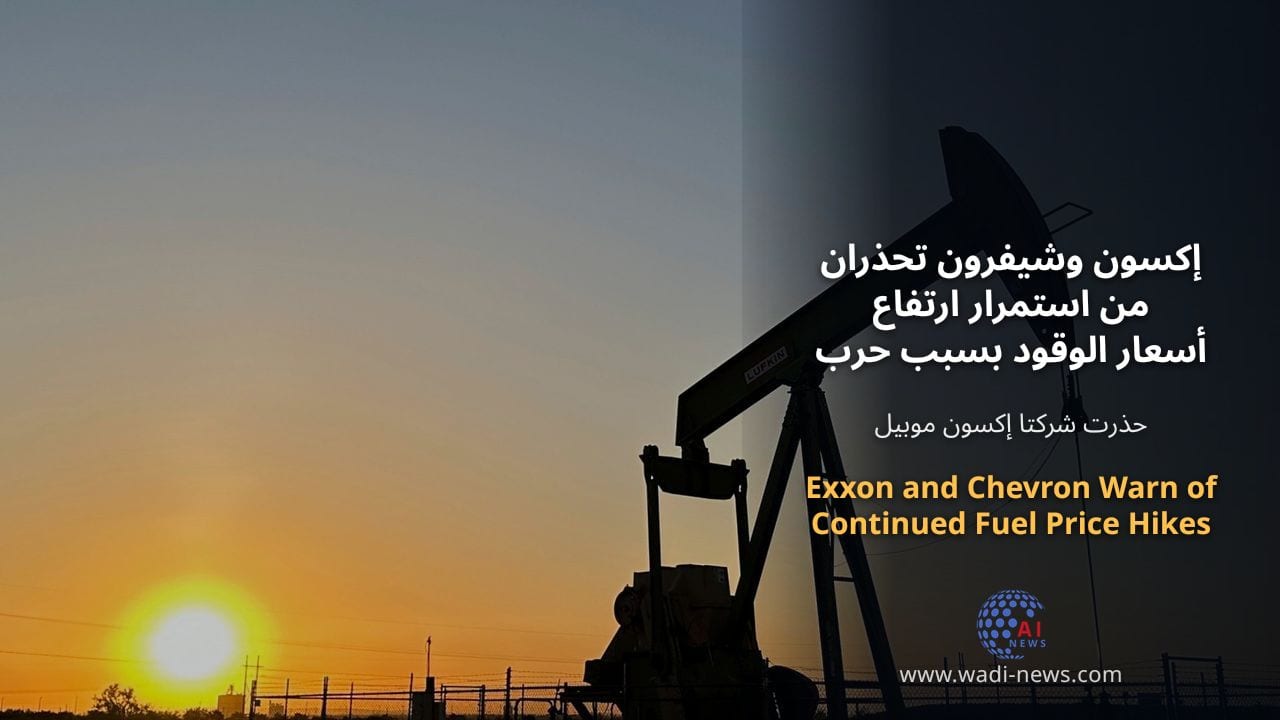
In a recent statement, Exxon Mobil and Chevron have raised alarms regarding the persistent shortages in diesel supplies. They predict that prices will remain elevated as the year progresses, particularly in the second half. This forecast comes despite an increase in refinery production, which has not been sufficient to offset the disruptions caused by ongoing conflicts, notably the situation involving Iran. The geopolitical landscape is significantly affecting global fuel markets, leading to increased uncertainty in supply chains.
The ramifications of the war with Iran are being felt across various sectors, with fuel prices experiencing upward pressure. Experts believe that the combination of reduced supply and steady demand will likely keep prices high for consumers and businesses alike. This situation poses challenges not only for transportation and logistics but also for industries that rely heavily on diesel fuel for their operations.
As companies like Exxon and Chevron navigate these turbulent times, they are also exploring ways to enhance production capabilities. However, analysts caution that even with increased output from refineries, the geopolitical tensions may continue to overshadow these efforts. The industry is bracing for a tough future as it grapples with the dual challenges of rising prices and fluctuating supply.
In conclusion, the warnings from Exxon and Chevron highlight a critical moment for the global fuel market. Consumers may need to prepare for continued high prices as the situation unfolds. The interplay between geopolitical conflicts and energy supply will be crucial in determining the trajectory of fuel prices moving forward.