
Politics
Debate Sparks Over Glasgow's Potential Mayoral Position
The discussion about whether Glasgow should have its own elected mayor is gaining traction, as local leaders and citizens weigh the implications of such a decision.
Aug 1, 2026, 10:15 AM | 1-2 min read | By Wadi News Editorial Team
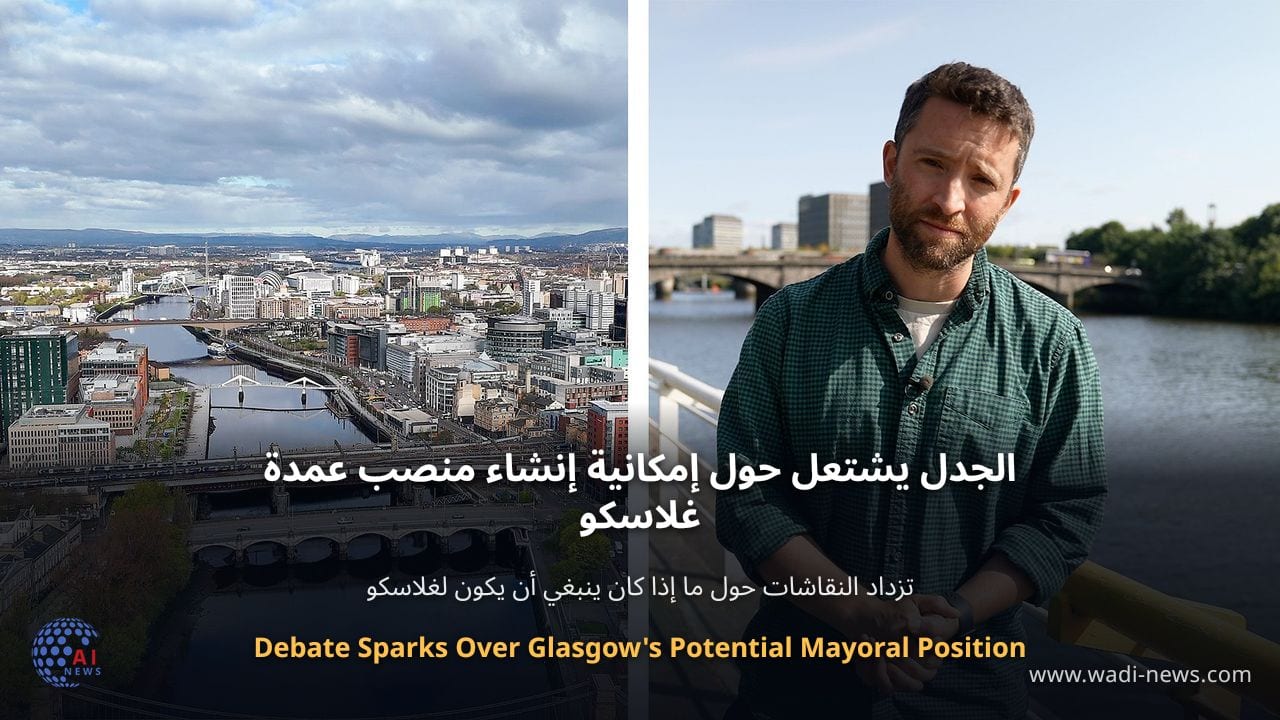
The question of whether Glasgow, Scotland's largest city, should establish an elected mayor has ignited a lively debate among residents and political leaders. Advocates for a mayoral position argue that it could enhance local governance and provide a single point of accountability for the city's myriad challenges, including housing, transportation, and public safety. They believe that a directly elected mayor could better represent the interests of Glasgow’s diverse population and ensure that local issues receive the attention they deserve.
Opponents, however, raise concerns regarding the potential for increased bureaucracy and the effectiveness of an elected mayor in a system that already has established leadership structures. They worry about the implications of creating a new political office and whether it would genuinely lead to improved outcomes for the city's residents. Furthermore, some argue that existing council structures may be adequate for managing the city's needs without the need for additional layers of governance.
As the discussion continues, various community forums and public meetings are being organized to gather opinions from citizens. These events aim to ensure that the voices of Glasgow’s residents are heard in the decision-making process. Local leaders are also considering the experiences of other cities in the UK that have opted for a mayoral system, assessing both successes and challenges.
The outcome of this debate could have lasting implications for Glasgow's political landscape. As the city evolves, the need for effective leadership becomes even more critical. Whether or not Glasgow ultimately decides to pursue the establishment of a mayoral position, the conversation itself is a vital aspect of democratic engagement, allowing citizens to reflect on how they wish to be governed and represented in the future.