
Economy
Community Initiative to Collect Unpicked Blackberries for Low-Income Families
A community group has launched a program to collect unpicked blackberries, aiming to support low-income households in accessing fresh fruit.
Jul 30, 2026, 6:56 AM | 1-2 min read | By Wadi News Editorial Team
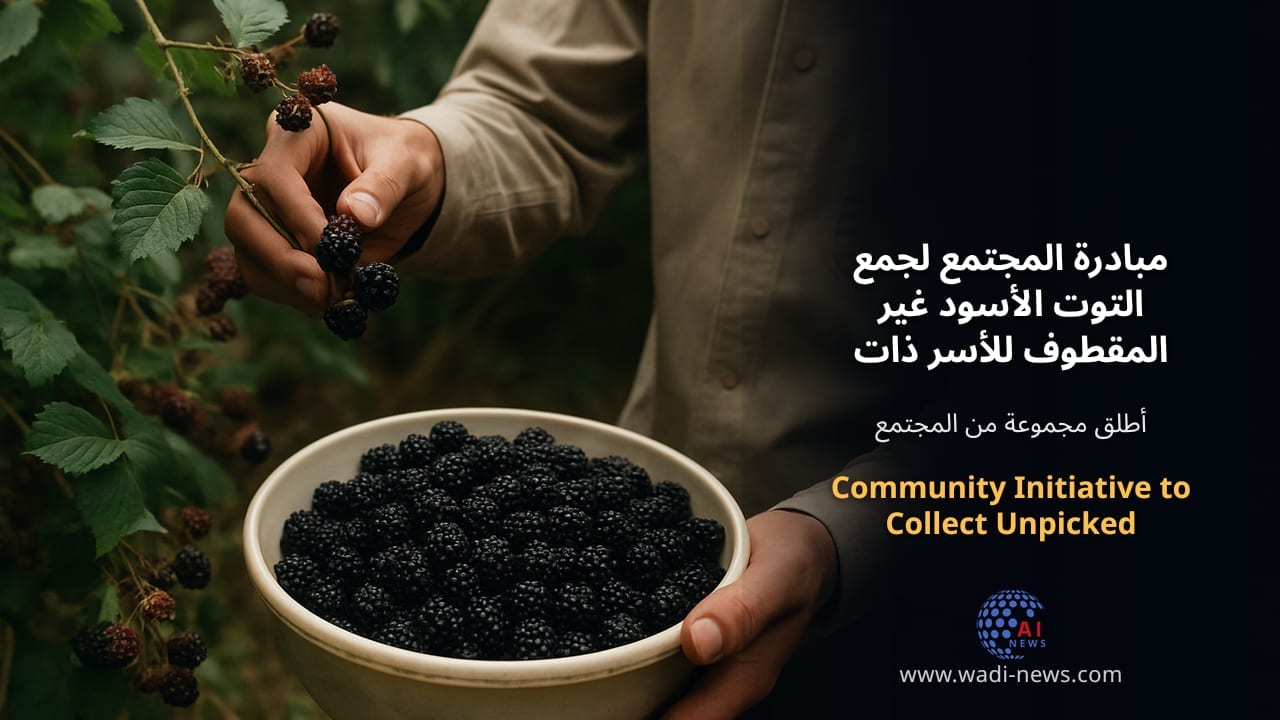
In a commendable effort to address food insecurity, a community group has initiated a program focused on the collection of unpicked blackberries. This initiative is designed to provide low-income households with access to fresh and nutritious fruit, which is often overlooked. The group emphasizes the importance of utilizing local resources and reducing waste, as many blackberries go unharvested each year. By mobilizing volunteers, they aim to bridge the gap between food abundance and food scarcity in the community.
The project not only helps in providing fresh produce to those in need but also raises awareness about the potential of foraging in urban areas. Many residents are unaware of the bounty that lies within their neighborhoods, and this initiative encourages them to participate in harvesting activities. Volunteers are trained to safely collect the berries, ensuring that the process is both efficient and sustainable. The collected blackberries are then distributed to local food banks and community centers, ensuring that they reach the families who need them most.
Moreover, this program has sparked conversations about food justice and the importance of community involvement in tackling hunger. The organizers believe that by working together, they can create a more equitable food system where everyone has access to healthy options. The initiative also fosters a sense of community among participants, as they come together for a common cause, building connections and friendships along the way.
As this program gains momentum, the community group hopes to expand its efforts to include other types of foraged produce. They are also looking into partnerships with local businesses and nonprofits to further enhance their impact. The successful collection and distribution of blackberries could serve as a model for similar initiatives in other regions, highlighting the potential of community action in addressing food-related challenges.