
Economy
Innovative Cooling Solutions for Dairy Farmers Amid Rising Temperatures
As summer temperatures increase, dairy farmers are adopting new technologies like cow showers and fans to maintain the health and productivity of their cattle.
Jul 29, 2026, 5:35 PM | 1-2 min read | By Wadi News Editorial Team
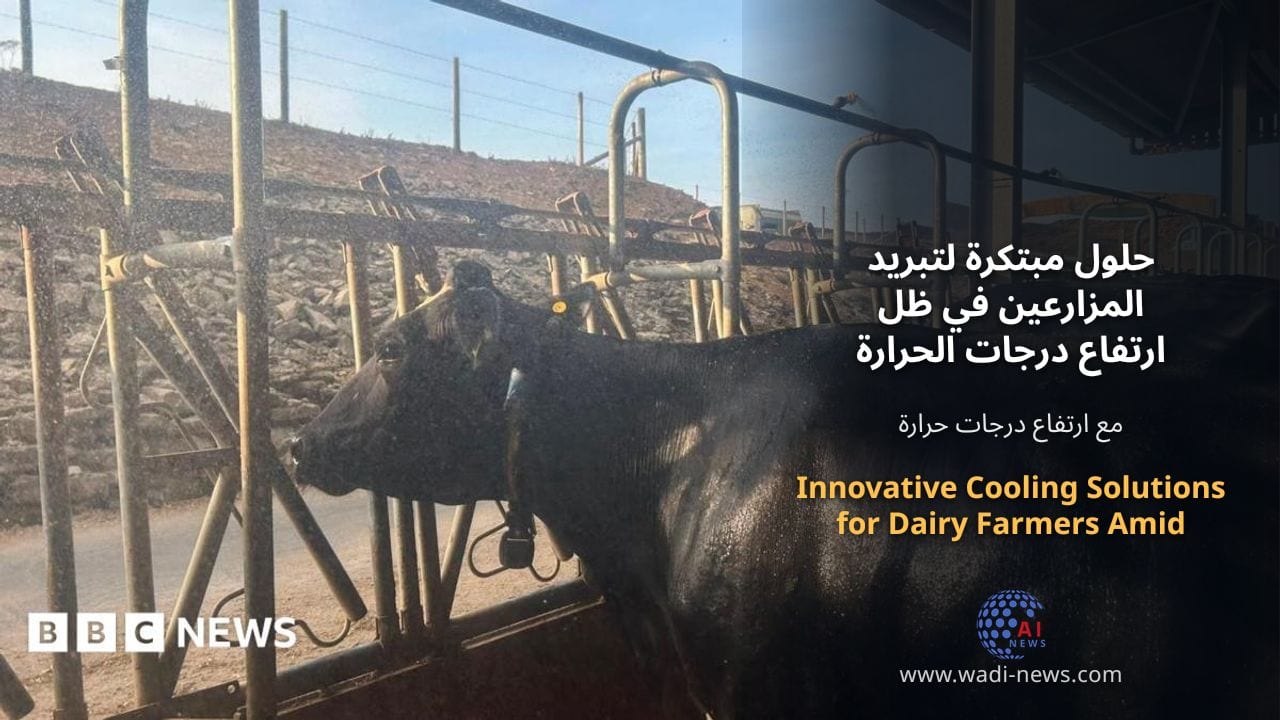
With the advent of increasingly hot summers, dairy farmers are facing significant challenges in maintaining milk production levels. To combat the adverse effects of heat on their livestock, many are turning to innovative solutions such as cow showers and large fans. These technologies are designed to help cool down the cattle, thereby reducing stress and improving overall health. The implementation of these systems has become crucial as rising temperatures threaten dairy yields.
The cow showers work by spraying a fine mist of water over the animals, helping to lower their body temperature. This method is particularly effective during peak heat hours, allowing cows to feel more comfortable and less stressed. Additionally, fans are strategically placed in barns and feeding areas to ensure that airflow circulates effectively, further enhancing the cooling process. Together, these methods create a more favorable environment for the cattle, promoting better milk production.
Farmers report that the use of these cooling systems not only helps in maintaining the health of their cattle but also has a positive impact on milk output. Cows that are kept cool tend to produce more milk, and their overall well-being improves significantly. This is especially important during the hottest months of the year when the risk of heat stress is at its peak. By investing in such technologies, farmers are better equipped to handle the challenges posed by climate change and rising temperatures.
In conclusion, as the dairy industry grapples with the ramifications of hotter summers, the adoption of cooling technologies like cow showers and fans is becoming increasingly vital. These solutions not only help in safeguarding the health of the cattle but also ensure that milk production remains stable. As farmers continue to innovate and adapt to changing climate conditions, it is clear that such measures are essential for the future of dairy farming.