
Politics
US Initiates Review of Military Presence in Europe
The United States has commenced a review of its military presence in Europe, urging NATO to take on greater responsibility for conventional defense amid ongoing disputes over spending and bases.
Jul 28, 2026, 12:55 PM | 1-2 min read | By Wadi News Editorial Team
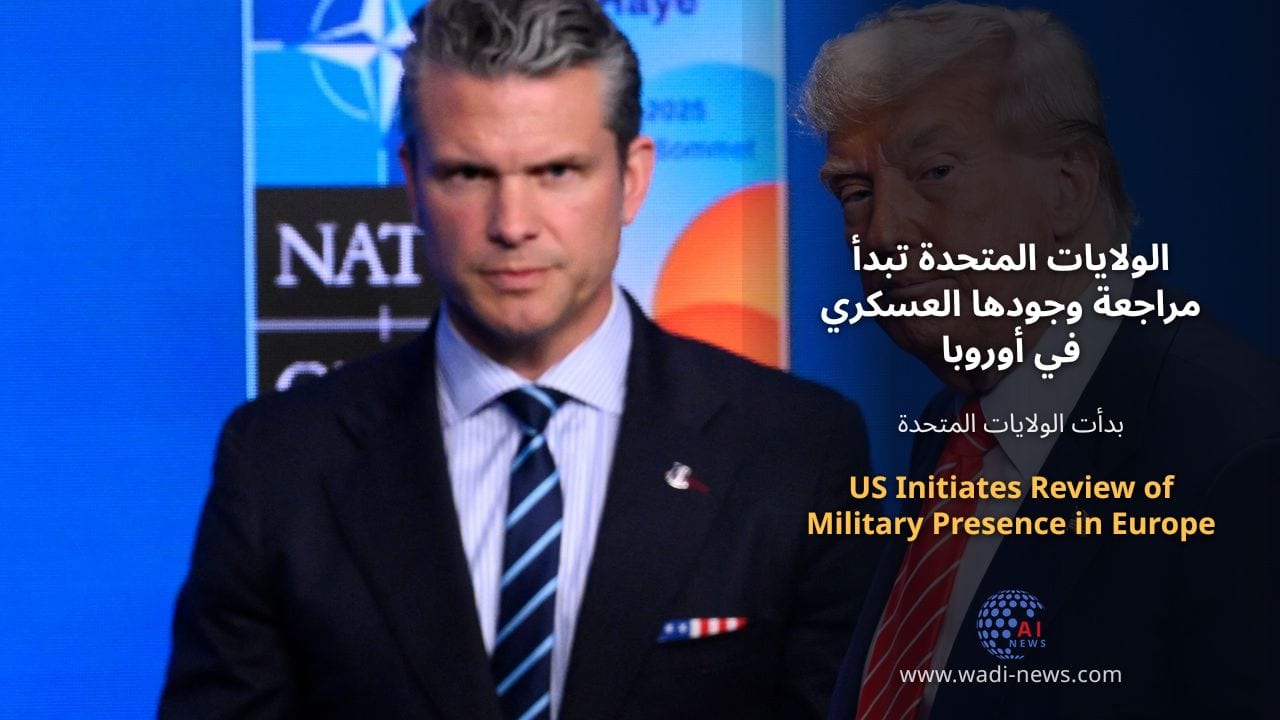
In a significant move, the United States has begun a thorough assessment of its military deployment in Europe. This review aims to encourage NATO member states to assume a more prominent role in their own defense strategies. The initiative comes at a time when there are mounting tensions regarding the allocation of defense expenditures and the status of military bases across the continent.
The discussions surrounding the U.S. military presence have gained urgency as European nations grapple with the need for enhanced self-reliance in defense matters. The Biden administration is keen on shifting the burden of conventional defense primarily onto European shoulders, suggesting that NATO should focus on fostering a more cohesive and independent European defense framework.
This strategic pivot has not been without its challenges. Various NATO allies have expressed concerns about the potential implications of a reduced U.S. military footprint in Europe. Some member states fear that a diminished American presence could embolden adversaries and weaken collective security efforts. The discourse surrounding military spending has also been fraught with disagreement, with calls for increased contributions from European nations to meet NATO's defense spending targets.
As the review unfolds, it remains to be seen how NATO will respond to these calls for greater European responsibility. The outcome could reshape the dynamics of transatlantic defense cooperation and redefine the role of the U.S. military in Europe. Ultimately, the ongoing evaluation will likely have lasting implications for the security architecture of the region and the future of NATO itself.