
Economy
Rising Tensions in the Sea of Azov: A New Threat to Global Trade?
The escalating tensions in the Sea of Azov have raised concerns over global grain shipments, with shipping and insurance costs surging amid supply chain pressures.
Jul 27, 2026, 5:35 AM | 1-2 min read | By Wadi News Editorial Team
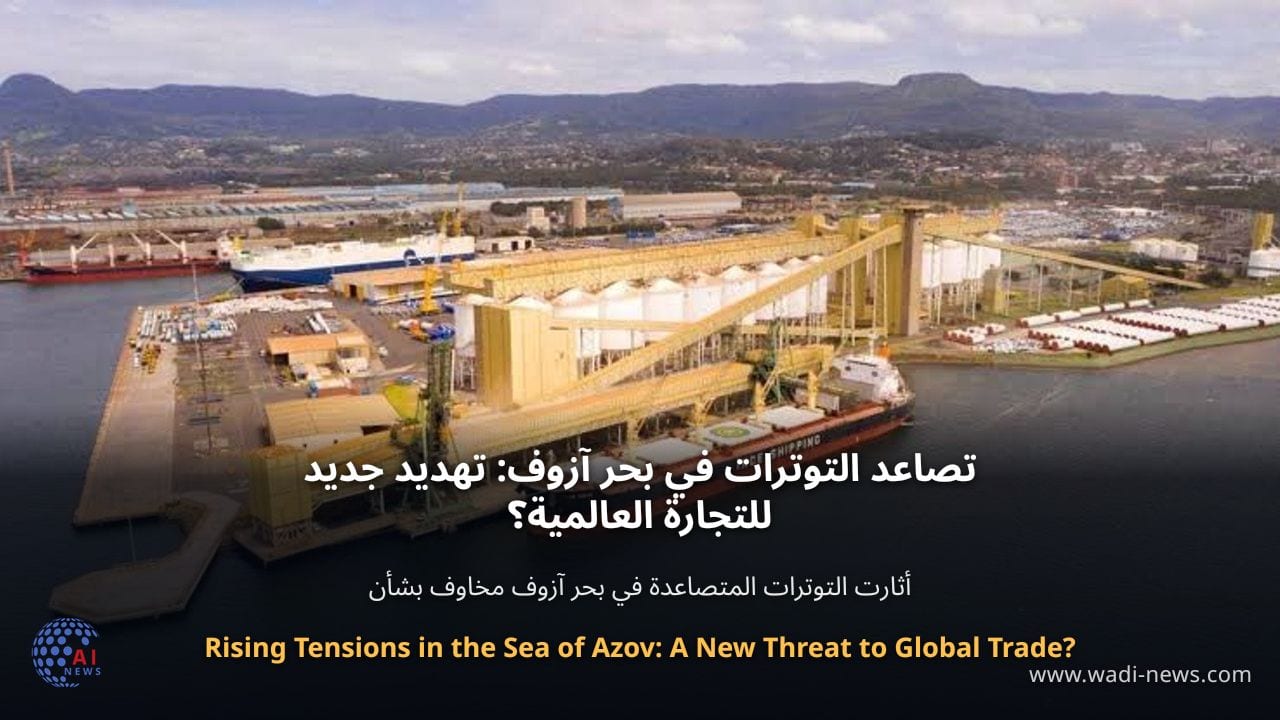
The recent rise in tensions in the Sea of Azov has ignited significant worries regarding the global grain supply chain. Experts are sounding alarms as shipping and insurance costs have skyrocketed, creating a ripple effect that could impact food prices worldwide. The Sea of Azov, bordered by Ukraine and Russia, has historically been a critical shipping lane for agricultural exports. However, the current geopolitical climate has made the region increasingly volatile, prompting fears that it could mirror the strategic significance of the Strait of Hormuz, a vital chokepoint for oil shipments.
As the situation develops, analysts predict that while supplies of grain may continue, they will likely be accompanied by higher prices and increased volatility. This could lead to a challenging environment for importers and exporters alike, as they navigate the complexities of a disrupted supply chain. The potential for supply disruptions is alarming, especially considering the reliance of many countries on grain imports from this region.
The implications of these tensions extend beyond just economics; they touch on food security for numerous nations. Countries that depend heavily on imports from the Sea of Azov may face significant challenges if the situation escalates further. This is particularly concerning for nations in the Middle East and North Africa, where food security is already a pressing issue.
In conclusion, as the situation in the Sea of Azov continues to evolve, stakeholders in global trade must remain vigilant. The possibility of increased costs and supply chain disruptions could have far-reaching effects, not only on grain prices but also on the broader economy. The world will be watching closely to see how this situation unfolds, as it could redefine trade dynamics in the years to come.