
Politics
El Salvador's Mega Prisons: A Model for Right-Wing Politicians Worldwide
Recent political campaigns in Latin America have highlighted President Nayib Bukele's controversial crime-fighting policies, including his infamous mega prisons.
Jul 26, 2026, 12:41 PM | 1-2 min read | By Wadi News Editorial Team
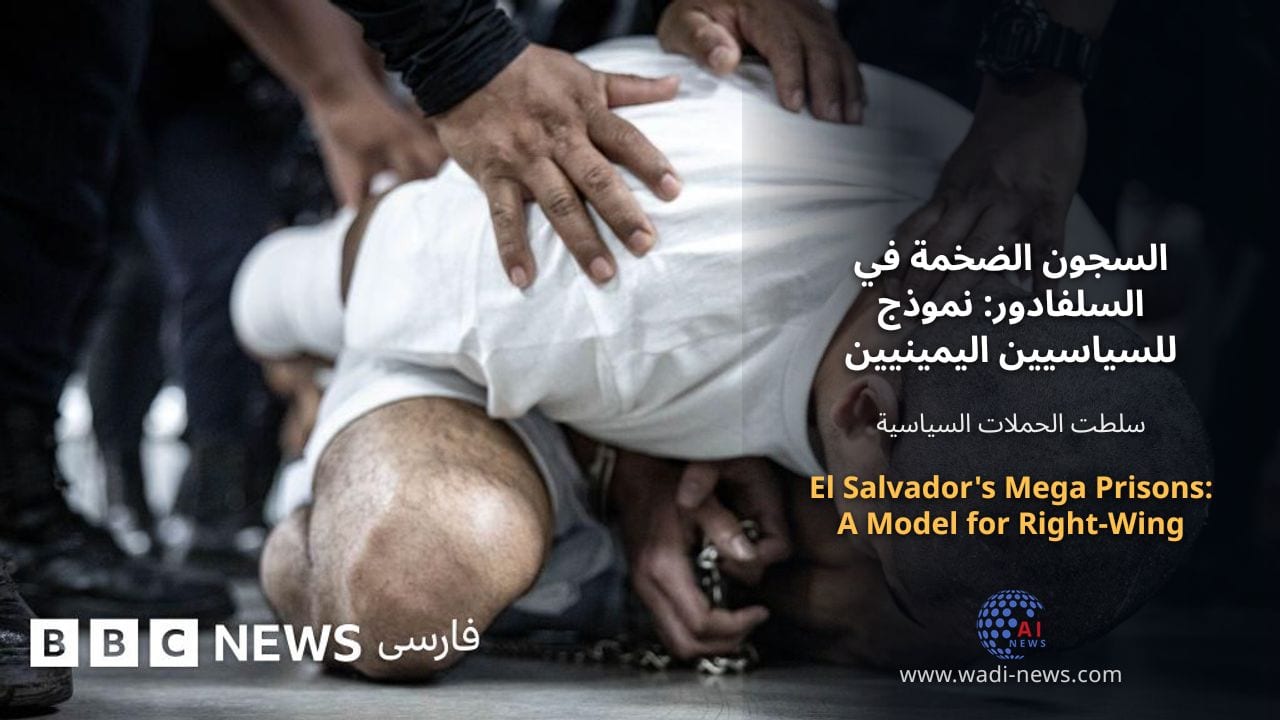
In recent electoral campaigns across Latin America, President Nayib Bukele of El Salvador has become a focal point of discussions due to his stringent measures against crime. His approach, characterized by the establishment of massive prisons designed to house thousands of inmates, has sparked both admiration and criticism. These facilities are not just prisons; they symbolize a broader trend among right-wing leaders who advocate for tough-on-crime policies as a means to gain public support and assert control over rising crime rates.
Bukele's strategies, which include severe crackdowns on gang violence, have garnered significant attention. His administration claims that these mega prisons are necessary to address the escalating issues of crime and insecurity that have plagued the nation for years. By showcasing these facilities, Bukele aims to project an image of strength and decisiveness, appealing to voters who prioritize safety and order in a time of widespread unrest.
The implications of Bukele's policies extend beyond El Salvador. His approach has inspired right-wing politicians in various countries who are grappling with similar issues. They see the establishment of large-scale detention centers as a viable solution to combat crime and maintain public order. However, this has raised ethical concerns regarding human rights and the treatment of inmates in such overcrowded environments.
Critics argue that while these measures may offer immediate relief from crime, they do not address the root causes of violence and social instability. Instead, they may lead to further marginalization of vulnerable communities. As Bukele continues to push his agenda, the international community watches closely, weighing the potential consequences of adopting similar policies elsewhere. The debate surrounding these mega prisons illustrates a complex intersection of crime, politics, and human rights that will shape the future of governance in the region.