
Politics
Television's Role in Shaping Official Narratives in Iran
Recent events have highlighted how Iranian television has become a participant in the struggle for control over official narratives and the legitimacy of negotiations.
Jul 26, 2026, 6:01 AM | 1-2 min read | By Wadi News Editorial Team
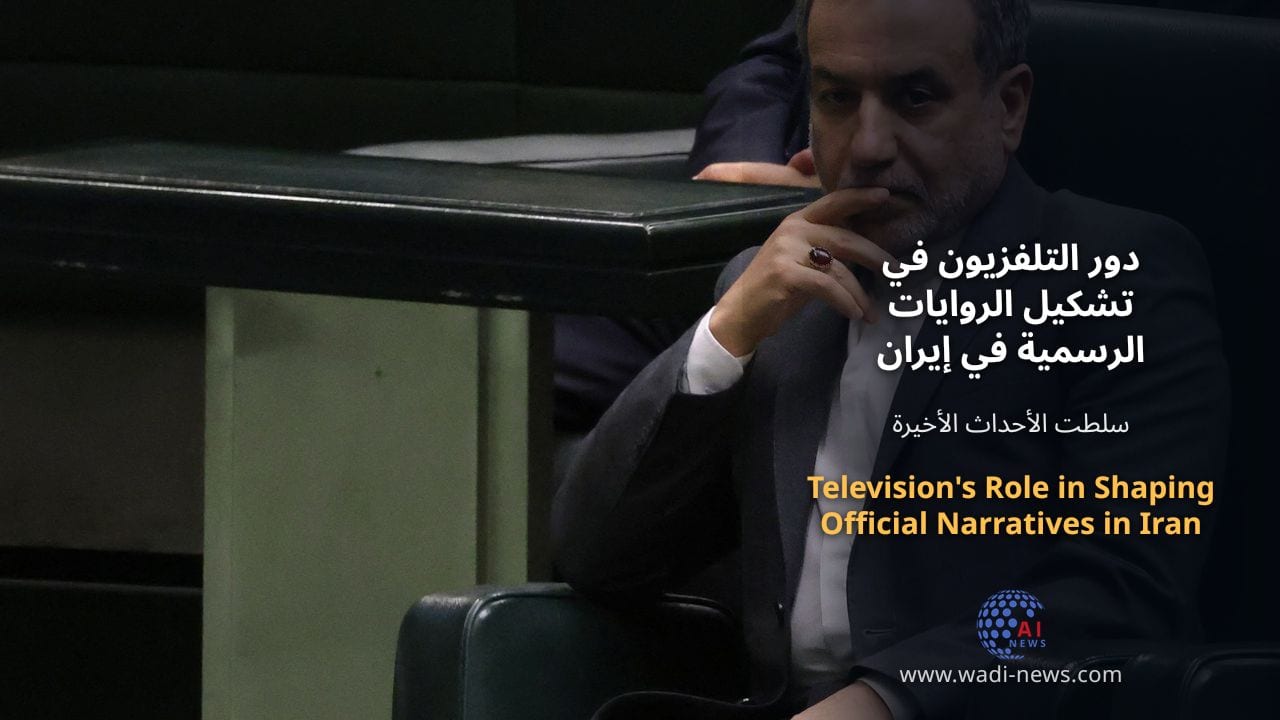
In recent days, Iranian television has found itself at the center of a significant controversy regarding the portrayal of official statements made by high-ranking officials. The selective broadcasting and omission of certain remarks have raised questions about the integrity of the media and its role in shaping public perception. This situation reflects a broader struggle within the political landscape of Iran, where control over the narrative is paramount for the governing authorities.
The events unfolded when it was noted that key speeches and statements from government officials were either edited or not aired, leading to accusations that the media is being manipulated to serve the interests of those in power. Critics argue that this practice undermines the credibility of the state media and restricts the public's access to a complete understanding of political developments. The implications of this censorship extend beyond mere news reporting; they touch on the very fabric of democracy and the public's right to information.
Moreover, the situation has ignited debates among journalists and media analysts about the ethical responsibilities of state-run media in a democratic society. With the ongoing negotiations and political maneuvers taking place, the role of television as a tool for propaganda rather than a platform for honest reporting has become increasingly evident. This has led to a call for reforms within the media sector to ensure that it serves the public interest rather than just the interests of the ruling elite.
In conclusion, the struggle for narrative control in Iran illustrates the challenges faced by media outlets in balancing governmental influence with the necessity of providing unbiased information to the public. As the situation evolves, the role of Iranian television will likely continue to be scrutinized, and the demand for transparency and accountability in media practices will grow stronger. This ongoing conflict highlights the need for a media landscape that prioritizes truth and fosters informed citizenry.