
Economy
Mass Listings Generate New Wealth and Philanthropy Opportunities
As AI companies prepare for stock market listings, charities in the U.S. anticipate a surge in donations, potentially leading to a new generation of billionaires and philanthropists.
Jul 26, 2026, 4:41 AM | 1-2 min read | By Wadi News Editorial Team
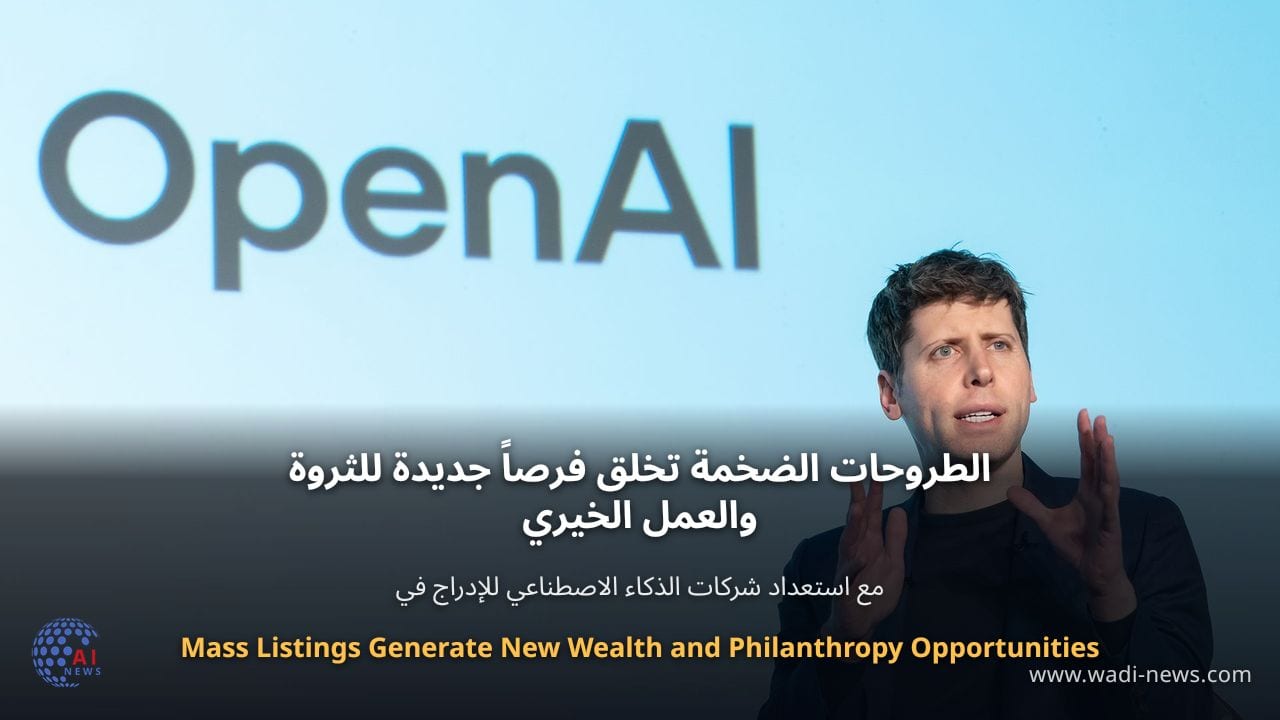
In recent times, the financial landscape is witnessing a significant shift as several artificial intelligence companies gear up for their initial public offerings (IPOs). This trend is not only expected to create substantial wealth for investors but also to foster a new wave of philanthropy. Charitable organizations across the United States are preparing to tap into the anticipated influx of donations that could arise from these market activities. As wealth accumulates in the hands of a select few, the role of philanthropy becomes increasingly crucial in addressing various social issues.
The upcoming IPOs are projected to generate billions in capital, which will likely lead to the emergence of new billionaires. These individuals, who are likely to come from tech backgrounds, may feel a sense of responsibility to give back to society. Historical trends show that many wealthy individuals often engage in philanthropic activities, establishing foundations or donating significant portions of their wealth to charitable causes. The potential for this new generation of billionaires to contribute positively to society is a hopeful prospect.
Moreover, charities are strategizing on how to effectively engage with these potential donors. They aim to present compelling cases for their causes, emphasizing the impact that donations can have on communities and the broader society. With the rise of social media and digital platforms, charities are also leveraging technology to reach a wider audience and to create more personalized engagement strategies. As more individuals become aware of the philanthropic opportunities presented by the wealth generated from IPOs, the potential for significant societal impact increases.
In conclusion, the upcoming IPOs of AI companies not only signify economic growth but also present a unique opportunity for philanthropy. The wealth generated could lead to a new wave of charitable giving, which could significantly benefit various sectors in society. Charitable organizations must be proactive in their outreach and engagement efforts to ensure they maximize the potential benefits of this new wealth influx. As we look to the future, the intersection of technology, wealth, and philanthropy will undoubtedly shape the landscape of charitable giving for years to come.