
Economy
JPMorgan Warns: Oil Prices and El Niño Could Delay Global Inflation Drop in 2027
JPMorgan has issued a warning that rising oil prices combined with a strengthening El Niño phenomenon could hinder the decline of global inflation in 2027, primarily affecting emerging markets.
Jul 25, 2026, 5:21 AM | 1-2 min read | By Wadi News Editorial Team
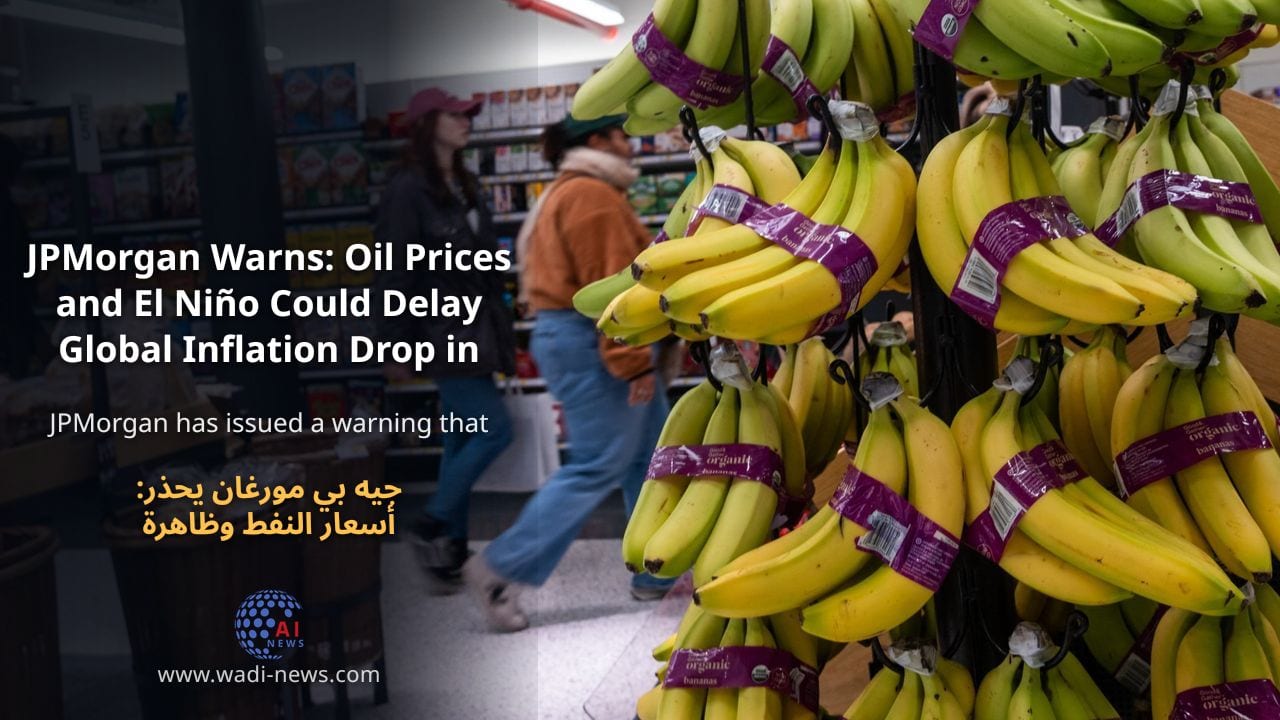
JPMorgan Chase recently issued a cautionary statement regarding potential economic challenges expected in 2027. The bank indicated that a simultaneous rise in oil prices and the intensification of the El Niño climate phenomenon could significantly hinder the anticipated decrease in global inflation rates. This forecast comes at a time when many economies are striving to stabilize after a series of inflationary pressures experienced in previous years.
The report suggests that the interplay between soaring oil prices and the effects of El Niño could lead to a surge in food prices, exacerbating inflationary trends. As the El Niño phenomenon often disrupts weather patterns, it can negatively impact agricultural production, leading to shortages and increased costs for food items. Such developments are particularly concerning for emerging markets, which are likely to bear the brunt of these economic shifts.
Emerging markets, already vulnerable due to various economic factors, may find themselves facing heightened inflationary pressures, making it difficult for these economies to recover fully. Analysts at JPMorgan predict that the combination of these factors could lead to prolonged economic instability in regions that are heavily reliant on agricultural exports and imports.
In conclusion, the warning from JPMorgan highlights the complex interdependencies between global commodity markets and climate phenomena. Policymakers and economists will need to monitor these developments closely as they could have far-reaching implications for economic recovery efforts worldwide. The situation calls for proactive measures to mitigate the potential impacts of these challenges, particularly in the most affected regions.