
Tech
Teen Rescinds Lawsuit Against Meta for Social Media Addiction
A 15-year-old boy has decided to withdraw his lawsuit against Meta, which was set to be heard in Los Angeles next week, concerning allegations of social media addiction.
Jul 23, 2026, 7:11 AM | 1-2 min read | By Wadi News Editorial Team
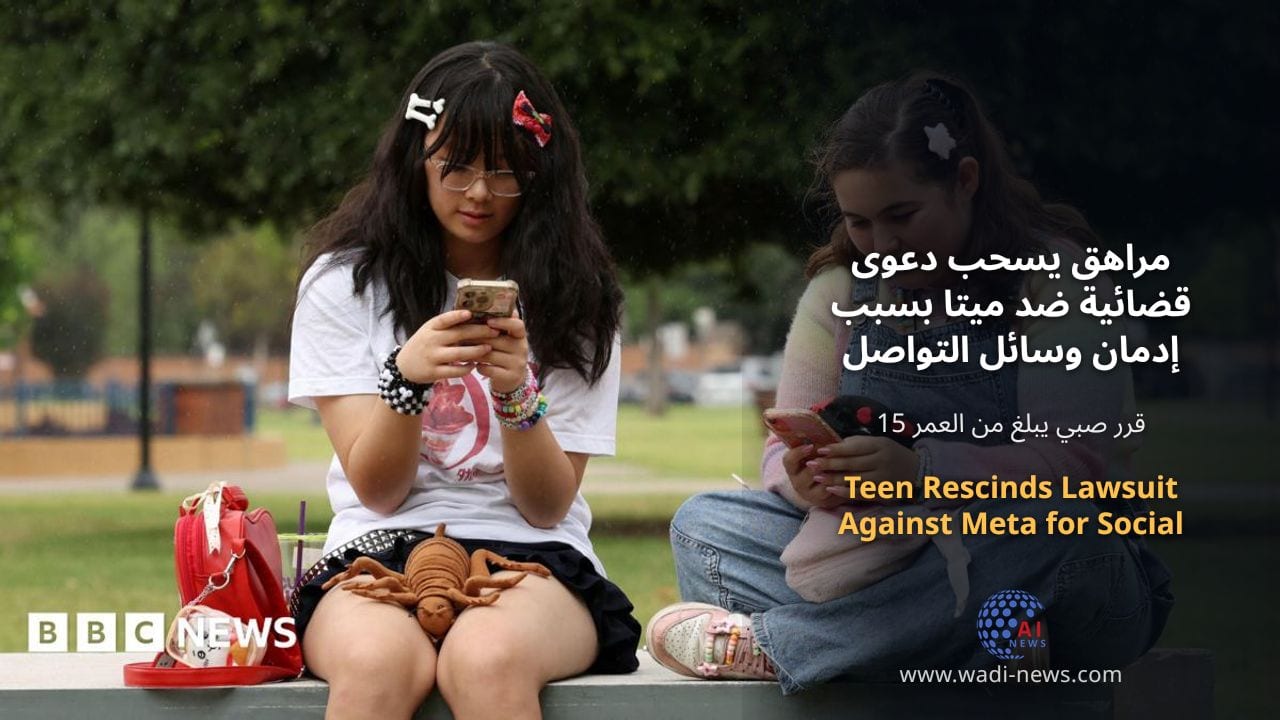
In a surprising turn of events, a lawsuit filed by a 15-year-old boy against Meta has been withdrawn just days before it was scheduled to go to trial in Los Angeles. This case had drawn significant attention as it centered on the claims of social media addiction, a topic that has become increasingly relevant in today's digital age. The teenager's allegations suggested that the design and functionality of Meta's platforms contributed to his compulsive use of social media, impacting his mental health and daily life.
The lawsuit, which was poised to address the broader implications of social media on youth, raised questions about the responsibility of tech companies in safeguarding the well-being of their users. Advocates for digital health had looked to this case as a potential landmark moment that could set a precedent for future litigation against social media giants. However, the decision to drop the lawsuit has left many wondering about the reasons behind this abrupt change.
While the specifics of the reasons for withdrawing the lawsuit have not been disclosed, it is not uncommon for such cases to be re-evaluated by the plaintiffs, especially when faced with the complexities of legal battles against well-resourced corporations like Meta. This development emphasizes the challenges that individuals may encounter when taking on large technology firms, which often have extensive legal teams and resources at their disposal.
As discussions about social media addiction continue to grow, this incident serves as a reminder of the ongoing debate surrounding digital platforms and their impact on mental health. While the teenager's case has been dismissed, the conversation about how social media affects young users is far from over. Stakeholders, including parents, educators, and policymakers, will likely continue to seek solutions that address the challenges posed by social media use among youth, aiming to strike a balance between digital engagement and mental well-being.